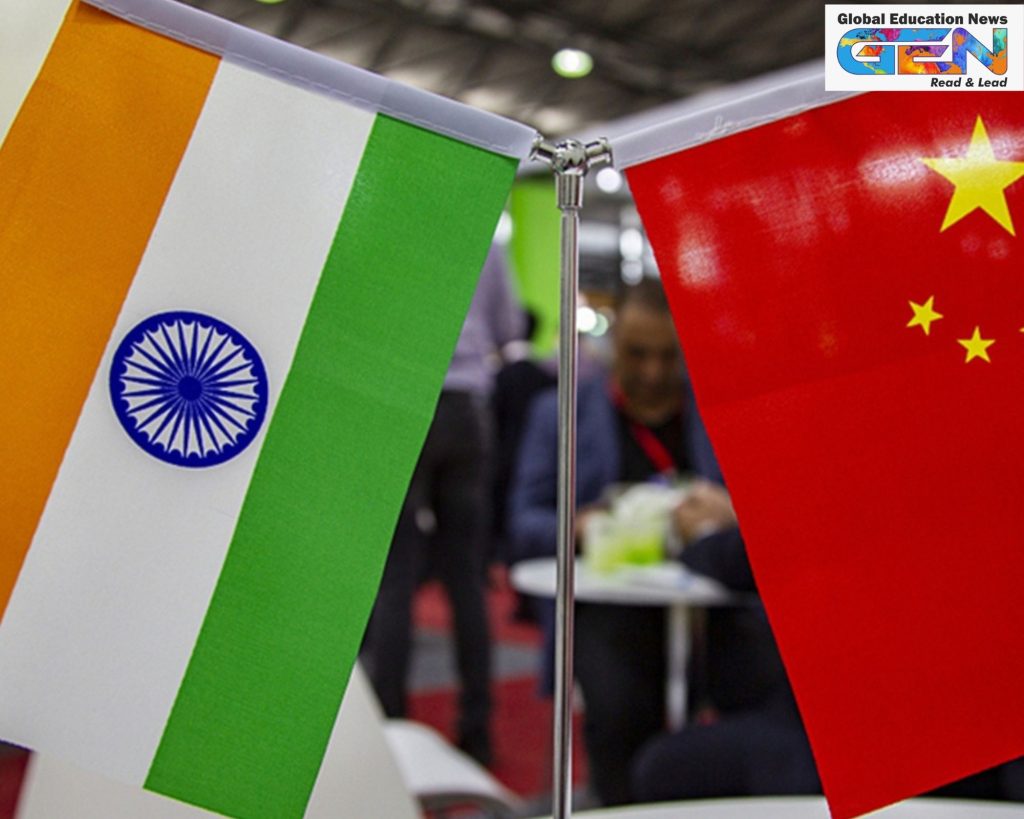
India has rolled out the red carpet for Chinese tourists once again! On July 24, 2025, the Indian Embassy in Beijing announced the resumption of tourist visa services for Chinese citizens, ending a five-year pause triggered by the COVID-19 pandemic and the 2020 Galwan Valley clash. This move, paired with the restart of the sacred Kailash Mansarovar Yatra, marks a bold step toward rebuilding India-China relations through tourism, cultural exchange, and soft diplomacy. Get ready for a vibrant influx of visitors to India’s iconic sites!
- Tourist visas for Chinese nationals resumed on July 24, 2025, after a five-year hiatus.
- Announced by the Indian Embassy in Beijing, signaling improved bilateral ties.
- Coincides with the reopening of the Kailash Mansarovar Yatra on June 30, 2025.
Why the Visa Freeze Ended
Key Points:
- Visa suspension began in 2020 due to COVID-19 and India-China border tensions.
- Pre-2020, 400,000 Chinese tourists visited India annually, boosting the economy.
- Resumption reflects India’s push to revive inbound tourism post-pandemic.
The Galwan Valley clash in 2020 strained India-China ties, halting tourist visas amid heightened tensions. Before the freeze, 400,000 Chinese visitors flocked to India yearly, drawn to sites like the Taj Mahal, Buddhist circuits, and Rajasthan’s palaces. The decision to resume visas signals a thawing of relations, aligning with India’s goal to boost its $50 billion tourism sector by 2030. The Kailash Mansarovar Yatra, a spiritual magnet for Chinese-origin Buddhists, further paves the way for renewed engagement.
How Chinese Tourists Can Visit
Key Points:
- Apply online via Indian Visa Application Centres in Beijing, Shanghai, or Guangzhou.
- Submit passport and documents in person after scheduling an appointment.
- E-visas and simplified processes to ease travel logistics.
Visiting India just got easier for Chinese travelers! The process is straightforward: apply online through Indian Visa Application Centres in Beijing, Shanghai, or Guangzhou, book an appointment, and submit documents in person. The e-visa system, relaunched for Chinese nationals, streamlines applications, making India’s beaches, temples, and mountains more accessible. This user-friendly approach reflects India’s commitment to welcoming tourists with open arms.
Boosting Tourism and Economy
Key Points:
- Chinese tourists spend an average of $2,000 per trip, benefiting hospitality and retail.
- Expected to add $500 million annually to India’s tourism revenue.
- Supports 20,000 jobs in tourism-related sectors like hotels and guides.
Chinese tourists are known for their high spending, averaging $2,000 per trip on hotels, shopping, and cultural experiences. With 400,000 visitors pre-COVID, their return could inject $500 million annually into India’s economy, supporting 20,000 jobs in hospitality, transport, and retail. From Kerala’s backwaters to Varanasi’s ghats, local businesses are gearing up for a tourism boom, with the Incredible India campaign targeting Chinese markets to maximize impact.
The Spiritual Pull of Kailash Mansarovar
Key Points:
- Kailash Mansarovar Yatra resumed on June 30, 2025, after a five-year halt.
- Attracts Chinese-origin Buddhists and global pilgrims to Tibet-bordering sites.
- Strengthens religious diplomacy between India and China.
The Kailash Mansarovar Yatra, a sacred pilgrimage to Mount Kailash and Lake Mansarovar, is a spiritual cornerstone for Buddhists and Hindus. Its resumption on June 30, 2025, after border tensions eased, draws thousands, including Chinese-origin pilgrims via Nepal and Tibet. This move not only boosts religious tourism but also fosters soft diplomacy, with India and China collaborating to ensure safe pilgrim routes, reinforcing cultural ties.
A Step Toward Stronger Bilateral Ties
Key Points:
- Part of trust-building measures post-Galwan Valley clash.
- Complements India-China trade talks, with bilateral trade at $136 billion in 2024.
- Aligns with PM Modi’s Shanghai Cooperation Organisation engagements.
The visa resumption is more than a tourism boost—it’s a diplomatic olive branch. After the 2020 Galwan clash, India-China relations hit a low, but recent border disengagements and trade talks signal progress. With $136 billion in bilateral trade in 2024, tourism adds a people-to-people dimension. PM Modi’s meetings at the Shanghai Cooperation Organisation in 2025 emphasized cooperation, and this move aligns with efforts to stabilize ties while promoting India as a global tourism hub.
Challenges and Public Sentiment
Key Points:
- Security concerns linger due to India-China border tensions.
- X posts show mixed reactions: optimism for tourism vs. caution over geopolitics.
- Need for robust safety protocols to reassure Chinese visitors.
While the visa resumption is a positive step, challenges remain. Border tensions and security concerns, highlighted on X, fuel skepticism among some Indians wary of closer ties with China. Others see tourism as a path to peace, with #IncredibleIndia trending as users share excitement for Chinese visitors exploring Agra and Jaipur. Ensuring safe travel and addressing geopolitical sensitivities will be key to sustaining this momentum, with calls for transparent visa policies to build trust.
A Bright Future for Indian Tourism
Key Points:
- Supports India’s $50 billion tourism goal by 2030.
- Enhances cultural exchange through Buddhist and Hindu heritage sites.
- Positions India as a safe, welcoming destination for global travelers.
India’s decision to resume tourist visas for Chinese citizens is a game-changer, blending diplomacy, culture, and economic growth. By welcoming 400,000 potential visitors and supporting the Kailash Mansarovar Yatra, India is reclaiming its spot as a global tourism powerhouse. This move not only boosts local economies but also fosters mutual understanding between two Asian giants. As India opens its heart to Chinese travelers, the world watches a new era of connection unfold!