Published on October 17, 2025
Delhi, India
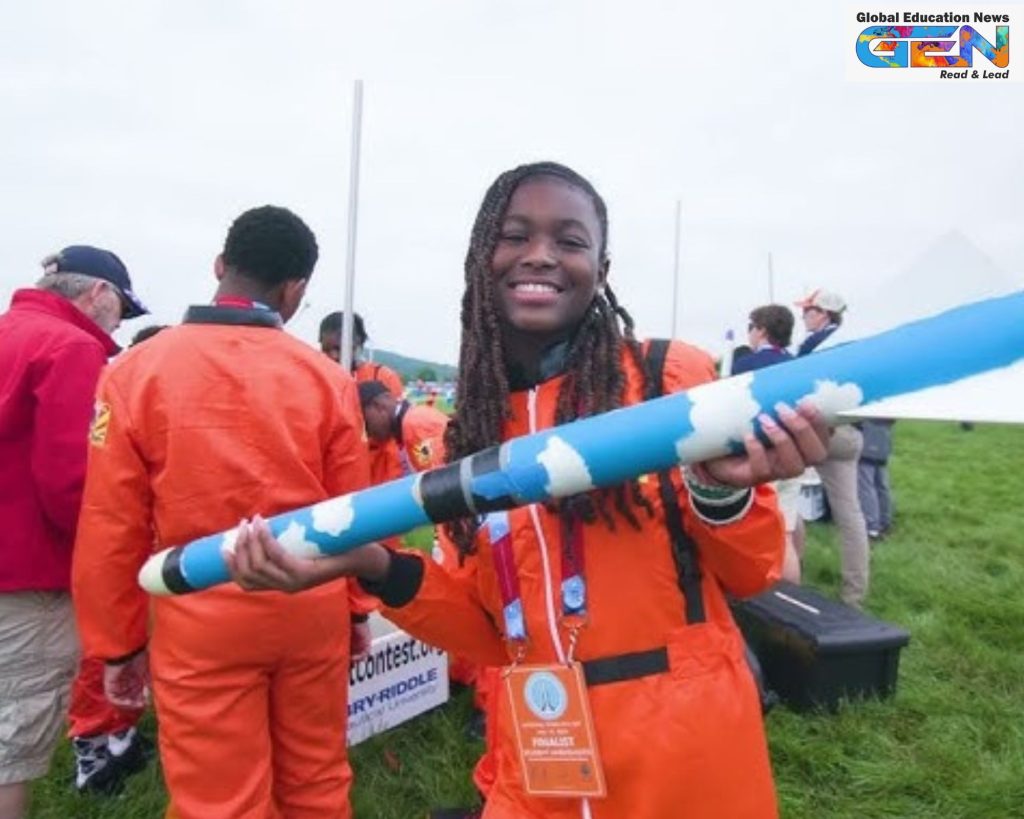
India’s space sector is blasting off, and students are at the forefront. The Indian National Space Promotion and Authorisation Centre (IN-SPACe), in partnership with the Indian Space Research Organisation (ISRO) and the Astronautical Society of India (ASI), is hosting the Model Rocketry/CANSAT India Student Competition 2024–25. This national showdown, set against the serene banks of the Narayani River in Tumkuhiraj, Kushinagar, Uttar Pradesh, from October 27 to 30, 2025, promises to spark innovation among young minds. With 71 qualified teams and around 600 participants—including students, mentors, and faculty—this event isn’t just a launchpad for model rockets; it’s a catalyst for building the next generation of aerospace trailblazers. Backed by successful June 2025 test trials that reached 1.1 km altitudes, the competition aligns with India’s vision of a self-reliant $44 billion space economy by 2033, emphasizing grassroots education and private sector synergy.
Background and Rationale
India’s space ambitions are soaring, from Chandrayaan missions to private satellite launches, but the real fuel comes from tomorrow’s engineers. IN-SPACe, established in June 2020 under the Department of Space, acts as a bridge for non-governmental entities (NGEs) to tap into ISRO’s infrastructure for launch vehicles, satellites, and services. Through its Promotion Directorate, IN-SPACe drives student engagement to democratize space tech.
- Event Evolution: This competition builds on preparatory trials in June 2025 at Rakba Jangal Patti Sevrahi, Tamkuhi Raj, Kushinagar, where model rockets—developed by Thrust Tech India Pvt. Ltd. with ISRO guidance—successfully deployed payloads via parachutes. These tests validated launch systems, safety protocols, and site suitability, marking Uttar Pradesh’s first rocket launch with a satellite payload.
- Strategic Goals: Amid a surge in STEM interest, the event promotes experiential learning to address skill gaps in rocketry, aerodynamics, and satellite deployment. Officials highlight its role in fostering public awareness and private involvement, as per IN-SPACe’s mandate. Kushinagar’s selection blends cultural heritage—Lord Buddha’s Mahaparinirvana site—with cutting-edge tech, symbolizing inclusive progress.
- Broader Impact: Echoing national reforms, it supports the Atmanirbhar Bharat push in space, with outreach engaging 73,000 students across Uttar Pradesh districts, igniting curiosity in rural and urban youth alike.
This initiative underscores a shift from elite labs to student workshops, preparing India for global space leadership.
Key Details and Schedule
The grand finale transforms Kushinagar into a buzzing hub of innovation, with launches, demos, and awards over four days.
| Phase | Date | Activities | Highlights |
|---|---|---|---|
| Pre-Event Outreach | June-October 2025 | Regional contests (‘Art-in-Space’, ‘Space Quiz 20:20’); ‘Antariksh Rath’ mobile expo in 7 UP districts (Gorakhpur, Deoria, Kushinagar, Jaunpur, Bahraich, Bulandshahr, Gautam Buddha Nagar) | Engaged 73,000 students; winners honored with space habitat module experience. |
| Grand Finale Day 1-2 | October 27-28, 2025 | Team arrivals, technical inspections, simulations | 600 participants settle in; MoU activations with local admin for support. |
| Launch Days | October 29-30, 2025 | Model rocket and CANSAT deployments; live judging | Over 70 rockets aim for 1 km altitude; safe ejections and recoveries. |
| Post-Event | November 2025 onward | Results publication, certificates; potential international tie-ups | Winners eyed for advanced ISRO mentorships. |
- Venue Perks: Open riverside site ensures safety and visibility; local MoU with Kushinagar District Science Club provides logistics.
- Scale: 71 teams (36 CANSAT, 35 Model Rocketry) from pan-India institutions, up from initial 100+ regional qualifiers.
Stay tuned via IN-SPACe portals for live streams and updates.
Eligibility Criteria
Open to undergraduate and postgraduate students from recognized universities and technical institutes, the competition emphasizes teamwork and innovation. No prior experience required—ideal for fresh enthusiasts.
- Team Composition: 3-10 members per team, including a faculty mentor; mixed genders encouraged for diversity.
- Academic Focus: STEM backgrounds preferred (Aerospace, Mechanical, Electronics, Computer Science); open to all engineering/science streams.
- Qualification Path: Regional rounds (virtual/physical) selected teams based on design proposals; must submit prototypes pre-finale.
- Restrictions: Indian nationals only; teams must adhere to safety norms (e.g., non-explosive motors).
- Inclusivity: Scholarships for underrepresented regions; PwD accommodations via adaptive tools.
Aspiring teams: Register via IN-SPACe/ASI websites—deadlines closed for 2024-25, but watch for 2025-26 editions.
Competition Categories and Objectives
Teams tackle real-world space challenges, blending theory with hands-on thrills in two parallel tracks.
- Model Rocketry Category (35 Teams): Design and launch rockets to reach 1 km altitude using solid motors; focus on stability, trajectory, and recovery systems. Objectives include aerodynamics testing and mission simulation.
- CANSAT Category (36 Teams): Build a 1 kg (7U CubeSat equivalent) payload for deployment, data collection (e.g., sensors for temperature, GPS), and safe parachute landing. Emphasizes satellite miniaturization and telemetry.
- Shared Challenges:
- Payload integration: Secure ejection at apogee.
- Soft Skills: Project management, peer reviews, and failure analysis.
- Evaluation: 40% design, 30% launch performance, 20% presentation, 10% innovation.
Judged by ISRO/IN-SPACe experts, winners advance to national recognitions, potentially influencing future Gaganyaan-inspired projects.
Outreach and Community Engagement
Pre-finale buzz has electrified Uttar Pradesh, turning classrooms into launch simulators.
- Initiatives: ‘Antariksh Rath’—a mobile exhibit with rocket models, astronaut gear, and VR demos—visited schools, drawing crowds. Contests like ‘Art-in-Space’ (drawing space concepts) and ‘Space Quiz 20:20’ fostered creativity.
- Impact Metrics: 73,000 participants; rural focus via MP Shashank Mani Tripathi’s advocacy, seeding space culture in Tamkuhi Raj.
- Official Voices: Dr. Vinod Kumar (IN-SPACe Director): “This reflects our commitment to experiential learning, preparing youth for India’s booming space industry.” Shri Shashank Mani (MP, Deoria): “Hosting in Kushinagar will excite imaginations and build space awareness.”
These efforts extend the competition’s reach, inspiring beyond competitors.
Preparation and Action Steps
Fuel your rocket with smart prep—teams spent months iterating designs post-trials.
- Skill Building: Study NCERT aerospace basics; use free tools like OpenRocket software for simulations.
- Resources: IN-SPACe webinars, ISRO e-books; join ASI student chapters for mentorship.
- Team Strategy: Assign roles (design, coding, testing); conduct mini-launches for practice.
- Safety First: Comply with propulsion guidelines; budget for materials (~₹50,000-1 lakh/team).
- Next Cycle: Monitor inspace.gov.in for 2025-26; alumni networks offer tips from June trial successes.
Pro tip: Document your journey—top entries shine in portfolios for ISRO internships.