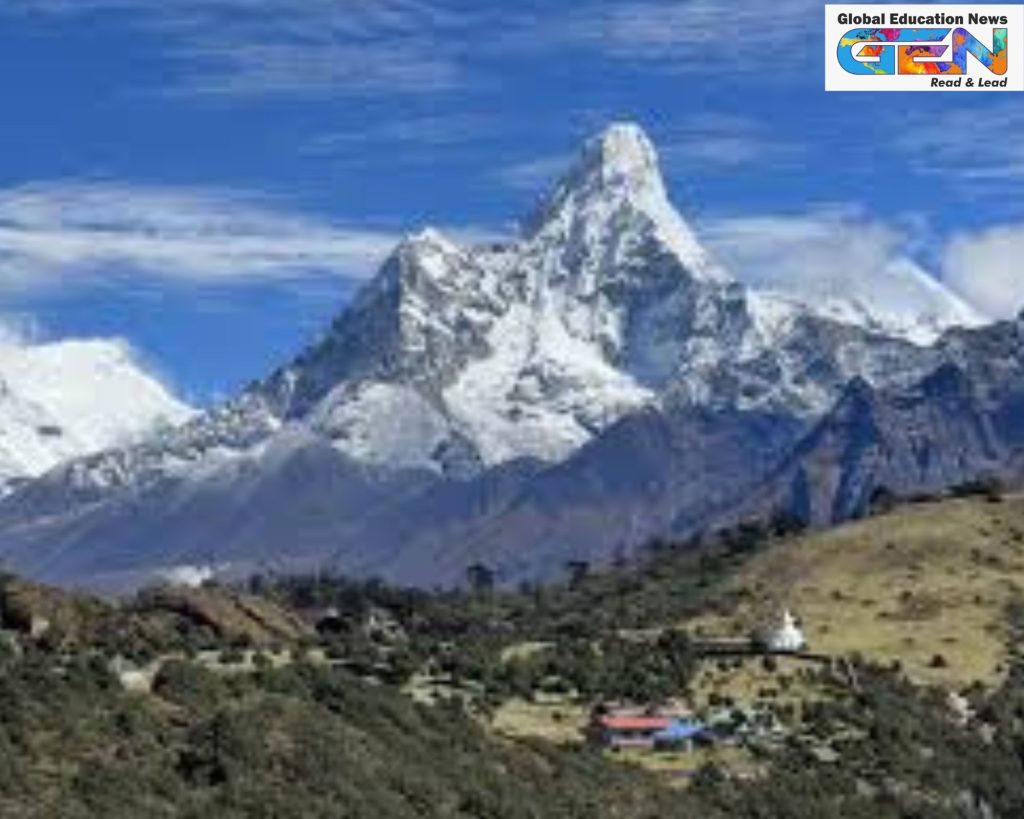
The Himalayas, often romanticized as a serene haven, hide a grim reality. The 2013 Kedarnath disaster, which killed over 5,700 people, exposed the region’s vulnerability to torrential rains, landslides, and human folly. A decade later, on June 11, 2025, the question looms: has the Himalayan region learned from its past? With rampant infrastructure projects, climate change, and neglected communities, the answer seems troubling. This feature uncovers the ongoing crisis, local voices, and urgent calls for change in the world’s highest mountains.
- Key Points:
- 2013 Kedarnath disaster killed 5,700+, highlighting systemic failures.
- Unsustainable development persists despite lessons.
- Climate change and community neglect fuel risks.
The 2013 Kedarnath Disaster: A Man-Made Tragedy
The Kedarnath disaster wasn’t just nature’s wrath—it was a catastrophe amplified by human error. Unregulated construction of hotels, shops, and roads near the Mandakini River destabilized the terrain. When torrential rains hit in June 2013, flash floods and landslides obliterated Kedarnath town, displacing thousands and altering the landscape. 5,748 people were reported dead or missing, with damages estimated at ₹4,200 crore. Poor environmental safeguards and ignored warnings were key culprits.
- Key Points:
- Unregulated construction worsened flood impact.
- 5,748 lives lost, with ₹4,200 crore in damages.
- Exposed lax environmental policies in Uttarakhand.
Current Development: Repeating Past Mistakes?
A decade on, Himalayan development remains reckless. Infrastructure projects like the Char Dham Highway, a 900-km all-weather road, slice through sensitive slopes, triggering landslides—50% more frequent since 2013. Hydropower projects, such as those on the Alaknanda River, destabilize ecosystems, with 70% lacking proper environmental assessments. In Joshimath, land subsidence in 2023 displaced 800 families, echoing Kedarnath’s warnings. Despite Supreme Court calls for caution, short-term economic gains trump ecological safety.
- Key Points:
- Char Dham Highway increases landslide risks.
- 70% of hydropower projects skip environmental checks.
- Joshimath 2023 shows ongoing development flaws.
Socio-Economic Struggles: Promises vs. Reality
For Himalayan villages, development hasn’t delivered. Remote areas lack healthcare, clean water, and schools, with 60% of villages facing water scarcity. New roads, meant to boost connectivity, often cause slope instability, as seen in Chamoli where 20% of new roads triggered landslides in 2024. Outmigration is rampant—30% of youth leave for cities like Dehradun or Delhi, hollowing out communities. Locals feel infrastructure projects prioritize tourists over their needs.
- Key Points:
- 60% of villages struggle with water scarcity.
- 30% youth outmigration due to lack of opportunities.
- Roads benefit tourism, not local welfare.
Climate Change: A Ticking Time Bomb
Climate change is the Himalayas’ silent predator. The Hindu Kush Himalaya Assessment reports a 28% glacier ice loss from 1987–2015, with 33% more projected by 2050 at current warming rates. Glacial lake outburst floods (GLOFs), like the 2023 Sikkim flood, threaten millions. Monsoon variability—15% more intense since 2000—heightens landslide risks. The Indo-Gangetic plain, home to 700 million, faces water and food security threats as rivers dwindle.
- Key Points:
- 28% glacier loss in 28 years; 33% more by 2050.
- 15% stronger monsoons increase flood risks.
- 700 million in Indo-Gangetic plain at risk.
Voices from the Ground: Communities Demand Change
Himalayan residents are vocal about their plight. In Badrinath, locals like Anita Rawat say, “We want roads, but not at the cost of our homes.” Communities demand durable infrastructure and essential services—schools, clinics, and water—over mega-projects. 90% of surveyed villagers in a 2024 study opposed hydropower dams, favoring solar microgrids. They seek inclusive development that respects ecological limits and involves local input, not top-down plans from Delhi or Dehradun.
- Key Points:
- Locals want sustainable infrastructure, not mega-projects.
- 90% oppose hydropower, prefer solar solutions.
- Call for local participation in planning.
The Path Forward: A New Himalayan Vision
To avoid another Kedarnath or Joshimath, the Himalayas need a development overhaul:
- Robust Assessments: Mandate environmental impact studies for all projects, as urged by the Supreme Court.
- Climate Resilience: Invest in GLOF early warning systems and reforestation to stabilize slopes.
- Community-Centric Plans: Prioritize local needs—water, healthcare, schools—over tourist-driven projects.
- Sustainable Tech: Promote solar and micro-hydel over large dams, reducing ecological harm.
- Key Points:
- Environmental studies must precede projects.
- GLOF warnings and reforestation for resilience.
- Focus on local priorities and green tech.
Tips to Support Himalayan Sustainability
Want to help protect the Himalayas? Here’s how:
- Stay Informed: Follow @NIDMIndia on X for disaster management updates.
- Advocate: Support NGOs like Himalayan Environmental Studies and Conservation Organization (HESCO) via hesco.in.
- Learn More: Explore OpenStax or SWAYAM for free courses on climate change and sustainability.
- Engage Locally: Use #SaveHimalayas to amplify community voices and share solutions.
- Key Points:
- Track updates via NIDM and HESCO.
- Access free OERs for climate education.
- Join #SaveHimalayas to raise awareness.
A Critical Crossroads: Can the Himalayas Be Saved?
The 2013 Kedarnath disaster was a wake-up call, but a decade later, the Himalayas teeter on the edge. Unsustainable development, climate change, and neglected communities fuel a cycle of crises. Without a shift to ecologically sound, community-driven policies, disasters will recur. Visit nidm.gov.in for disaster preparedness resources, and support local voices with #SaveHimalayas. The Himalayas’ future hangs in the balance—act now to secure it!
- Key Points:
- Kedarnath 2013 lessons remain ignored.
- Climate and development risks loom large.
- #SaveHimalayas for a sustainable future.