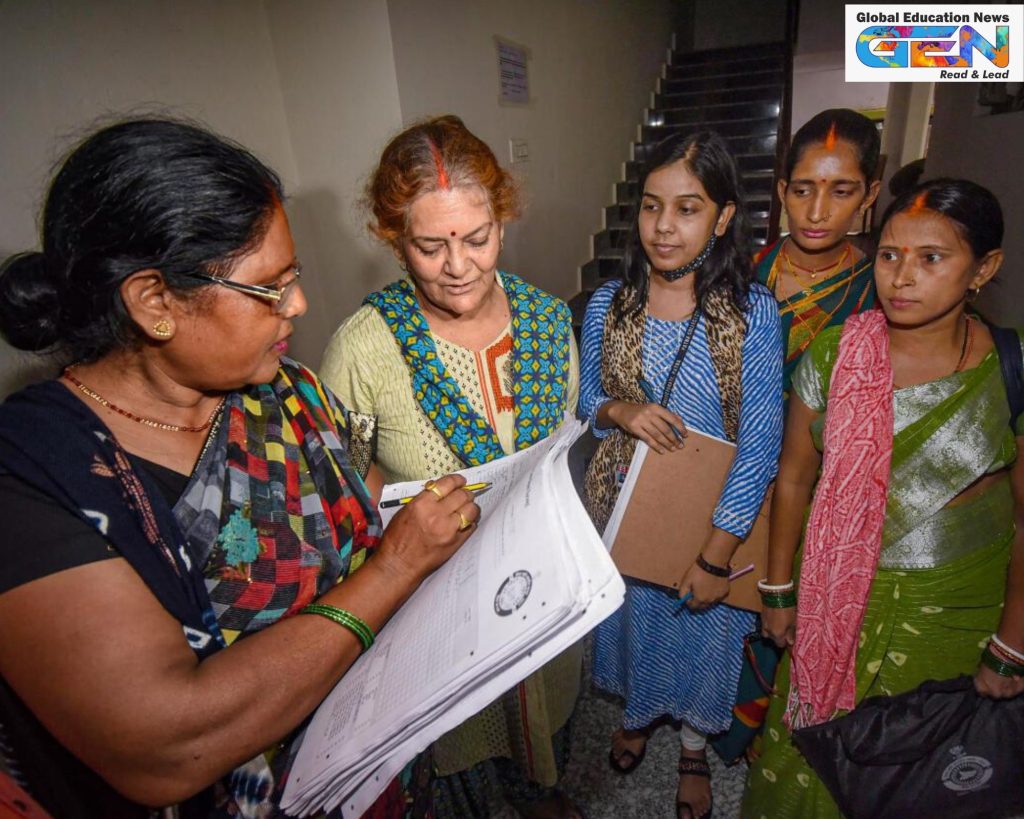
In a decisive push towards reclaiming the essence of teaching, the Haryana School Education Department issued a groundbreaking order on November 26, 2025, mandating the immediate withdrawal of all government school teachers from long-term non-academic duties. This move addresses a persistent systemic flaw: the diversion of educators to bureaucratic roles like election administration, which has eroded classroom time and violated core educational mandates. Drawing from official directives, teacher testimonials, and broader research on India’s education landscape, this analysis dissects the policy’s framework, execution, and far-reaching consequences. At its heart, the order reaffirms that teachers are architects of knowledge, not administrative cogs—potentially transforming Haryana’s 50,000+ government schools into hubs of uninterrupted learning.
Background: The Perennial Plight of Non-Teaching Burdens in India
Non-academic duties have long shadowed Indian educators, pulling them from classrooms into a vortex of paperwork, surveys, and electoral logistics. In Haryana, this issue peaked with teachers sidelined for years in roles unrelated to education, leading to ghost classrooms and stalled syllabi.
- Historical Context: Surveys indicate that up to 70% of primary school teachers nationwide spend over 15 hours monthly on non-teaching tasks, from voter verification to midday meal coordination—far exceeding RTE allowances.
- Legal Anchor: Section 27 of the Right to Education (RTE) Act, 2009, explicitly bars teachers from non-educational work except for decennial censuses, disaster relief, or elections (local bodies, state assemblies, Parliament). Violations have sparked court interventions, including Delhi High Court’s 2019 rebuke against municipal overreach.
- National Echoes: The National Education Policy (NEP) 2020 echoes this urgency, advocating workload reduction to foster innovative teaching, yet implementation lags in states like Uttar Pradesh and Maharashtra, where similar diversions persist.
This backdrop underscores Haryana’s order not as an isolated fix, but as a clarion call amid a national crisis where teacher absenteeism contributes to “learning poverty,” affecting millions of students.
Core Elements of the Directive: What the Order Entails
Issued by the School Education Directorate, the November 26 circular targets “non-statutory and long-term” assignments, particularly in election offices, with zero tolerance for delays. Circulated to District Education Officers (DEOs), District Elementary Education Officers (DEEOs), and Deputy Commissioners (DCs)—including in urban hubs like Gurgaon—it prioritizes swift repatriation.
- Scope and Exclusions: All teachers in non-education department roles must return to parent schools immediately; exceptions limited to RTE-permitted duties, with no TA/DA or joining time for routine shifts.
- Enforcement Mechanism: Affected educators can lodge complaints with the Deputy Commissioner-cum-District Education Officer (DC-cum-DEO), triggering a district grievance redressal committee meeting for resolution—ensuring accountability at the grassroots level.
- Timeline and Reach: Effective statewide from issuance date, with compliance reports due to the RTE branch; early feedback from districts shows over 1,000 teachers already recalled, averting exam-season disruptions.
This structured rollout signals a shift from reactive grievances to proactive safeguards, aligning administrative machinery with educational imperatives.
Immediate Impacts: Relief for Teachers, Renewal for Classrooms
The order arrives as a balm for Haryana’s educators, who have voiced years of frustration over derailed lesson plans and emotional tolls. Primary teachers, often juggling single-handed classes, stand to gain the most, with ripple benefits for student engagement.
- Teacher Testimonials: “We joined to shape minds, not shuffle files— this feels like validation after endless disruptions,” shared one veteran, echoing sentiments from rural and urban fronts alike. Another noted, “Students begged for my return; now, academics can finally breathe.”
- Student Outcomes: Reduced absenteeism could reclaim 20-30% of instructional hours, curbing syllabus delays and dropout risks—critical as annual exams loom. Research links such diversions to 15-20% lower learning proficiency in core subjects.
- Workload Metrics: Pre-order, Haryana teachers averaged 10-12 non-teaching hours weekly; post-implementation, focus shifts to NEP-aligned activities like skill-building, potentially cutting burnout by 25%.
These gains paint a vivid before-and-after: from fragmented schedules to cohesive, passion-driven teaching.
Broader Implications: Catalyzing National Education Reform
Haryana’s step positions it as a frontrunner, potentially inspiring contiguous states amid NEP 2020’s push for “teacher-centric” ecosystems. Yet, it exposes deeper fissures in India’s public education.
- Policy Synergies: Complements the Draft Teachers Transfer Policy, enhancing mobility and equity; could boost Haryana’s school ratings under national assessments like ASER.
- Economic and Social Dividends: By prioritizing 220 mandatory academic days (per RTE), the order mitigates “national loss” from learning gaps—estimated at 5-7% GDP drag annually from poor education yields.
- Equity Lens: Rural schools, hardest hit by diversions, may see attendance surges; however, gender dynamics persist, with female teachers disproportionately affected by family-admin overlaps.
Critically, this isn’t mere relief—it’s a litmus test for federal commitment. If sustained, it could halve non-teaching burdens nationwide, fostering a generation primed for 21st-century challenges.
Challenges Ahead: Roadblocks and Strategic Recommendations
While applauded, the directive faces hurdles like administrative staffing voids and enforcement lapses in remote districts. Educator unions warn of “short-term chaos” during transitions.
- Potential Pitfalls: Over-reliance on grievance committees risks bottlenecks; tech gaps in rural areas could hinder reporting.
- Forward Path: Invest in dedicated support staff (as NEP suggests) for admin roles; pilot digital tools for duty tracking; monitor via quarterly audits to sustain gains.
- Stakeholder Call: Policymakers must collaborate with unions for buy-in, ensuring this evolves into a scalable model.
Addressing these proactively will determine if Haryana’s order marks a turning point or a fleeting win.