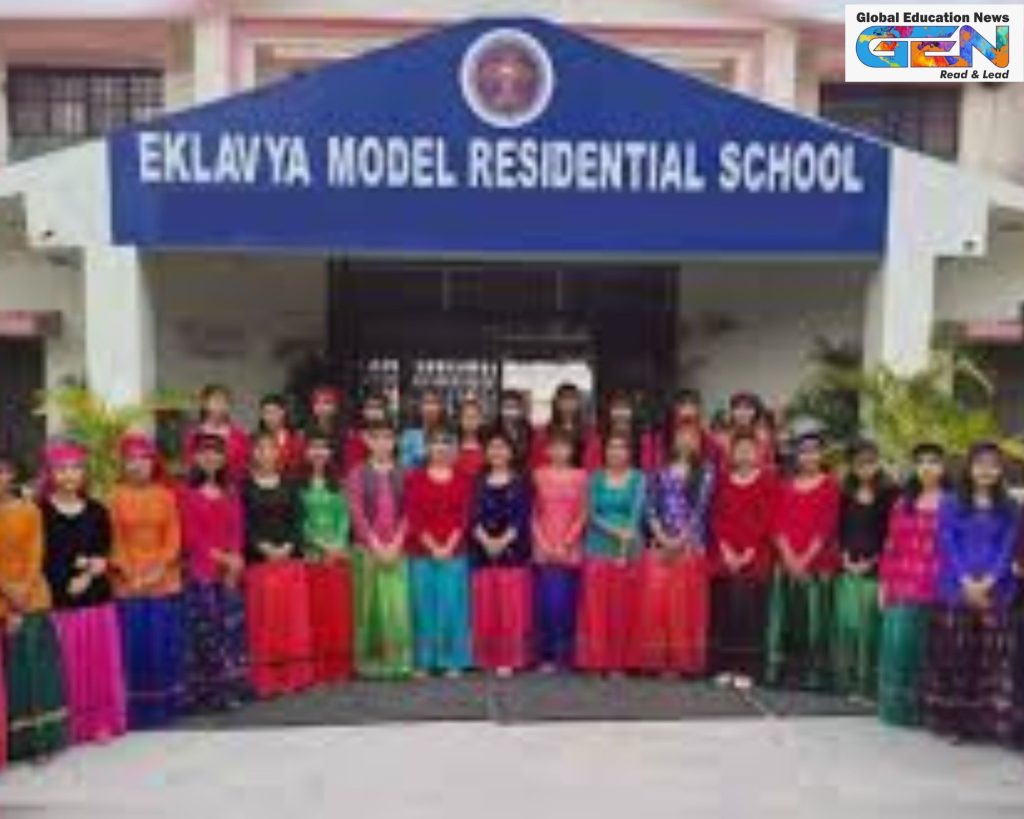
India’s quest for equitable tribal education hits a familiar roadblock: land. In a December 9, 2025, report that’s equal parts frustration and blueprint, the Parliamentary Standing Committee on Social Justice and Empowerment—chaired by BJP MP P.C. Mohan—delivered a stern directive to the Ministry of Tribal Affairs: No greenlighting new Eklavya Model Residential Schools (EMRS) until states cough up the land upfront. With 722 spots sanctioned but just 477 humming along—many in makeshift rented digs—this impasse isn’t just stalling bricks; it’s shortchanging 1.38 lakh tribal students dreaming big in remote corners. Amid a 14.8% budget bump to Rs 14,900 crore for tribal affairs in 2025, the panel’s call underscores a deeper truth: Rushing sanctions without solid ground risks turning NEP 2020’s inclusive vision into vaporware, perpetuating dropout traps and widening urban-tribal divides in a nation banking on its youth dividend.
Land Lockdown: The Root of EMRS Delays Draining Dreams
At the heart of the EMRS saga lies a stubborn foe—land acquisition—that’s morphed from hiccup to highway block, leaving over 130 schools in limbo and forcing the ministry to sit on unspent funds. States’ foot-dragging, tangled in forest clearances and legal tussles, echoes a decade-old pattern: Targets set in 2018 aimed for 452 schools by 2022, only to stretch to 728 by 2026, yet progress crawls at a fraction of pace. This isn’t abstract; it’s a betrayal of promise, where 32 projects alone languish due to unresolved plots, hiking costs by 20-30% via rentals and inflating NPAs in tribal welfare outlays— a stark irony when EMRS are meant to be beacons of self-reliance for Scheduled Tribe (ST) kids in aspirational districts.
- Sanction vs. Reality Gap: 722 approved locations nationwide, but only 477 operational—341 in permanent structures, the rest scraping by in govt buildings or leases that eat into quality time.
- Stuck in Neutral: 230 fully built, 234 under construction, but 32+ stalled outright on land rows, with forest permissions delaying another 15% of sites per recent audits.
- Budget Bind: Rs 14,900 crore tribal kitty in 2025 (up 45% YoY) can’t flow freely—unspent EMRS allocations hit 10-15% last fiscal, per ministry filings, starving upgrades for basics like labs and hostels.
- Human Cost: 1.38 lakh enrolled ST students (as of August 2025) miss out on full facilities, spiking dropouts by 8-10% in transitional setups and clashing with NEP’s equity ethos for remote learners.
The panel’s “strong view” isn’t alarmist—it’s arithmetic: Without land-locked progress, EMRS risk becoming symbols of shortfall, not success, especially when 70% of tribal kids lag national literacy benchmarks.
Panel’s Power Moves: Key Fixes to Fast-Track Functional Schools
The report doesn’t stop at critique; it blueprints a breakout, insisting on pre-sanction land proofs to end the “sanction-then-scramble” cycle that’s ballooned from 38 schools in 2018 to today’s patchwork. Drawing from UPSC-like rigor in site vetting, these tweaks could unlock 250+ new spots by 2027, aligning EMRS with global models like Australia’s Indigenous boarding setups that prioritize secured sites for 95% on-time delivery—potentially slashing India’s tribal enrollment gaps by 25% if heeded.
- No Land, No Nod: Mandate states to secure 15-acre plots (with 7.5 for hostels) before ministry approval; reject proposals sans firm commitments to curb 40% of delays tied to post-facto hunts.
- Upgrade Urgency: Set firm timelines (6-12 months) for retrofitting 100+ older EMRS lacking walls, labs, or quarters—reallocate Rs 500 crore from recurring grants (now Rs 1.47 lakh per student from 2025-26) for quick wins.
- State Accountability: Quarterly reviews with chief secretaries; tie EMRS funds to land milestones, mirroring NEP 2020’s decentralized push for community-owned education hubs.
- Holistic Handholding: Boost enrollment drives in 200+ aspirational blocks, integrating vocational tracks under NEP to hit 3.5 lakh students by 2026—while probing why 20% of sanctioned sites remain “paper-only.”
Government nods hint at action—minister Jual Oram pledged “expedited clearances” in Lok Sabha replies—but skeptics eye past slips, like 2022’s missed deadlines, urging RBI-like oversight to treat land as non-negotiable infrastructure.
Tribal Triumph or Trudge? Broader Stakes in 2025’s Education Push
For India’s 10.4 crore ST population—clustered in 112 districts where schools are scarce as oases—this EMRS stutter threatens NEP 2020’s core: bridging divides through quality, residential access that keeps girls in class (current 48% enrollment) and equips boys for jobs beyond farms. The 2025 budget’s saturation packages signal intent—Rs 4,000 crore extra for EMRS infra alone—but without land liberation, it’s firepower without fuse, risking a “lost cohort” where 15-20% dropouts cascade into unskilled labor pools, denting GDP gains from skilled tribals by 2030.
- Enrollment Edge: 479 functional EMRS now serve 1.38 lakh, up 20% YoY, but scaling to 728 needs 50% more beds—land fixes could add 1 lakh spots, targeting 60% girl ratio per NEP.
- Budget Bright Spots: Per-student recurring hiked 35% to Rs 1.47 lakh; non-recurring Rs 3,000 crore for builds, yet panel flags underutilization as “defeating the scheme’s purpose.”
- Ripple Reforms: Link EMRS to PM-JANMAN for 75 PVTG habitations; AI-driven site mapping to preempt disputes, potentially cutting delays 50% in forested Northeast and Central belts.
- Watchdog Wins: Panel’s push for parliamentary cells could enforce transparency, echoing successes in UPSC’s tribal quota enforcements.