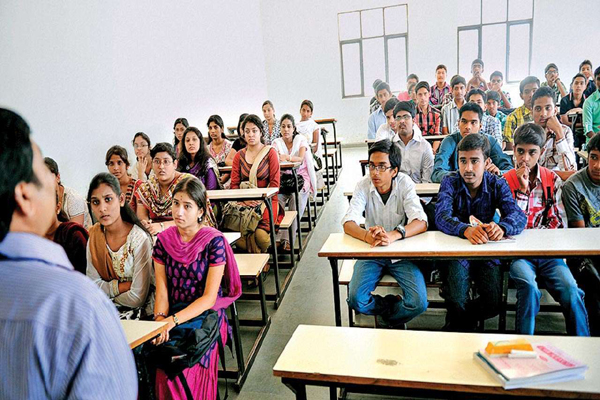
The Ministry of Social Justice and Empowerment has launched a free online coaching initiative in partnership with the Physics Wallah (PW) Foundation to help students prepare for major competitive examinations — including the Civil Services Examination, Staff Selection Commission (SSC) exams, and banking tests. The scheme aims to support 5,000 aspirants each year from Scheduled Castes (SC) and Other Backward Classes (OBC), offering free access to structured online courses, mentorship, test series, study materials and doubt-resolution sessions.
However, the programme does not cover general category students or explicitly include students from the Economically Weaker Section (EWS) category, leading to significant debate.
Eligibility Criteria and Implementation
Who Is Included
- Scheduled Castes (SC) students
- Other Backward Classes (OBC) students
- PM CARES for Children Scheme beneficiaries from across India
Who Is Excluded
- General category students
- Economically Weaker Section (EWS) aspirants (as explicitly noted in the government information)
The selection of beneficiaries is conducted merit-based via a dedicated online portal and the coaching itself is provided at no cost to either the government or the student through the PW Foundation’s platform.
Social Media Backlash and Public Debate
News of the scheme quickly sparked reactions on social media, with many users criticizing the exclusion of general category and EWS students from a programme designed to widen access to competitive examination preparation. Critics argued that such exclusions could be perceived as discriminatory and counter to inclusive education principles.
Comments ranged from satirical comparisons about caste-based access to essentials, to serious claims that continued caste emphasis in policy might hinder broader development conversations.
Conversely, some users defended the initiative — asserting that it targets historically marginalised groups with systemic disadvantages and broader educational inequities.
Policy Context: Caste, Inclusivity & Equity Debates
The controversy over this coaching scheme comes amid a wider national discussion about caste and equality in education policy. Recently revised University Grants Commission (UGC) equity guidelines aimed at strengthening protections against caste-based discrimination sparked protests and were temporarily stayed by the Supreme Court — partly due to concerns from general category students about exclusion and perceived bias.
While the coaching scheme is an initiative by the Social Justice Ministry focused on providing resources to SC and OBC aspirants, the broader policy debates highlight ongoing tensions in balancing affirmative action with universal access — especially in high-stakes competitive exam preparation environments where resources like quality coaching can significantly influence outcomes.
Different Perspectives on Exclusion
Supporters Argue:
- The scheme targets groups historically underrepresented in competitive examinations.
- Offering free structured coaching can help bridge resource gaps for SC/OBC aspirants who may otherwise lack access to quality coaching.
- It aligns with targeted affirmative action approaches aimed at increasing diversity in government services exams.
Critics Contend:
- Excluding general category and EWS students could be seen as inequitable in practice, particularly for economically disadvantaged students who don’t belong to SC/OBC groups.
- It may exacerbate perceptions of caste-based preferential access rather than need-based support.
- The debate intersects with broader discussions about fairness in access, reservation policies, and whether financial need should be a key eligibility criterion.
What the Government Says
In official statements, the government has explained that the objective is to provide support for aspirants from marginalised communities to improve their competitive exam preparation and enhance opportunities for employment and upward mobility. The Ministry’s role is to identify eligible candidates, while the partner foundation offers the coaching content.
No detailed official response has yet been issued specifically addressing the criticism over general category exclusion.
Looking Ahead: Key Considerations
As the scheme rolls out, key questions for observers and policymakers include:
- Should eligibility expand to include EWS and economically disadvantaged general category students?
- How can access to coaching resources become more equitable across categories?
- Will targeted schemes like this effectively reduce disparities in competitive exam outcomes?
These debates reflect broader conversations about affirmative action, equity, and how best to support aspiring candidates from diverse socio-economic backgrounds in India’s competitive education landscape.