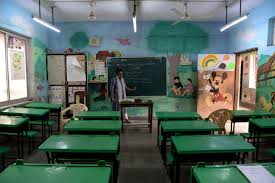
In a nation where education is heralded as the cornerstone of progress, the revelation of over 5,000 government schools operating without a single student in the 2024-25 academic year paints a sobering picture. This data, tabled in Parliament, underscores systemic vulnerabilities in India’s public education framework, particularly in Telangana and West Bengal, where nearly 70% of these “ghost schools” are clustered. Drawing from recent parliamentary records and expert analyses, this article dissects the trends, root causes, socioeconomic ripple effects, and potential reforms. Far from mere statistics, these empty halls signal a broader erosion of equity and opportunity—yet they also spotlight urgent opportunities for targeted intervention.
The Scale of the Problem: Key Statistics and Trends
The data reveals a troubling escalation in underutilized public schools, transforming once-vital community assets into relics of neglect.
- National Overview: Out of 10.13 lakh government schools, 5,149 reported zero student enrollment in 2024-25—a stark indicator of institutional desertion.
- Regional Hotspots: Telangana accounts for 2,081 such schools (e.g., 315 in Nalgonda district), while West Bengal logs 1,571 (e.g., 211 in Kolkata), comprising over 70% of the total.
- Broader Low-Enrollment Surge: Schools with fewer than 10 students have risen 24% since 2022-23, from 52,309 to 65,054 institutions, straining resources nationwide.
- Historical Context: Between 2019 and 2024, approximately 15,000 schools closed due to persistent low attendance, exacerbating urban-rural disparities.
This quantitative snapshot not only quantifies the crisis but highlights a policy inertia that has allowed small-scale declines to compound into a national emergency.
Root Causes: A Multifaceted Analysis
The exodus from government schools stems from intertwined socioeconomic, infrastructural, and perceptual factors, analyzed here through a lens of accessibility, quality, and mobility.
- Shift to Private Education: Parental preference for English-medium private schools has intensified, driven by perceived superior facilities, curricula, and job-market alignment. In Telangana’s urban fringes, enrollment in fee-based institutions has surged 15-20% annually, siphoning students from public options.
- Migration and Demographic Shifts: Rural-to-urban labor flows in Telangana’s agrarian districts have depopulated villages, leaving schools untenable. West Bengal’s urban-rural migration patterns mirror this, with families relocating for employment and opting for consolidated larger schools 3-5 km away.
- Infrastructure and Quality Deficits: Chronic issues like teacher absenteeism (up to 25% in low-enrollment zones), multi-grade teaching burdens, and inadequate learning materials foster disillusionment. Foundational literacy rates hover below 50% in affected Class 5 cohorts, perpetuating a cycle of disengagement.
- Vulnerable Populations: Girls in West Bengal face heightened dropout risks from domestic responsibilities, while tribal communities in Telangana grapple with geographic isolation, amplifying inequities.
These drivers reveal a perceptual chasm: Public schools, once symbols of universal access, now symbolize inadequacy in a competitive landscape.
Socioeconomic Impacts: Beyond the Empty Desks
The proliferation of zero-enrollment schools reverberates through communities, undermining India’s human capital development and fiscal efficiency.
- Human Capital Loss: Each deserted school represents forfeited educational trajectories for 50-100 potential students annually, widening skill gaps and stunting the demographic dividend in a youth-heavy nation.
- Resource Inefficiency: Over 1.44 lakh teachers remain posted in low-enrollment setups (averaging four per school in West Bengal), diverting billions in salaries from high-need urban centers—a classic case of “ghost staffing.”
- Community and Economic Strain: Rural economies in Telangana suffer from reduced local vitality, as empty schools erode social cohesion and deter investment. In West Bengal, the urban-rural education divide fuels inequality, with low-enrollment areas showing 10-15% higher poverty persistence.
- Long-Term Ramifications: Persistent trends risk a 5-7% GDP drag over the next decade, per education economists, by impairing workforce readiness in key sectors like agriculture and manufacturing.
This analysis underscores the crisis’s multiplier effect: What begins as enrollment dips cascades into entrenched socioeconomic vulnerabilities.
Pathways to Reform: Evidence-Based Recommendations
While the challenges are formidable, emerging state-level pilots and policy levers offer a blueprint for resurgence, emphasizing consolidation, investment, and community buy-in.
- School Rationalization and Mergers: Telangana’s recent merger of 150+ low-enrollment schools has boosted attendance by 18% through shared resources and transport incentives; West Bengal could scale similar models to redeploy 20,000+ surplus teachers.
- Quality Enhancement Initiatives: Nationwide rollout of digital tools (e.g., AI-assisted learning) and teacher training could address foundational gaps, as piloted in Uttar Pradesh with 25% enrollment gains.
- Incentive Structures: Free midday meals, scholarships, and proximity-based subsidies have reversed trends in Kerala; adapting these for high-risk districts could reclaim 30% of lost students.
- Monitoring and Advocacy: Annual parliamentary audits, coupled with community-led enrollment drives, are essential to track progress and mitigate political resistance to closures.
These strategies, if prioritized in the 2025-26 budget cycle, could transform liabilities into resilient