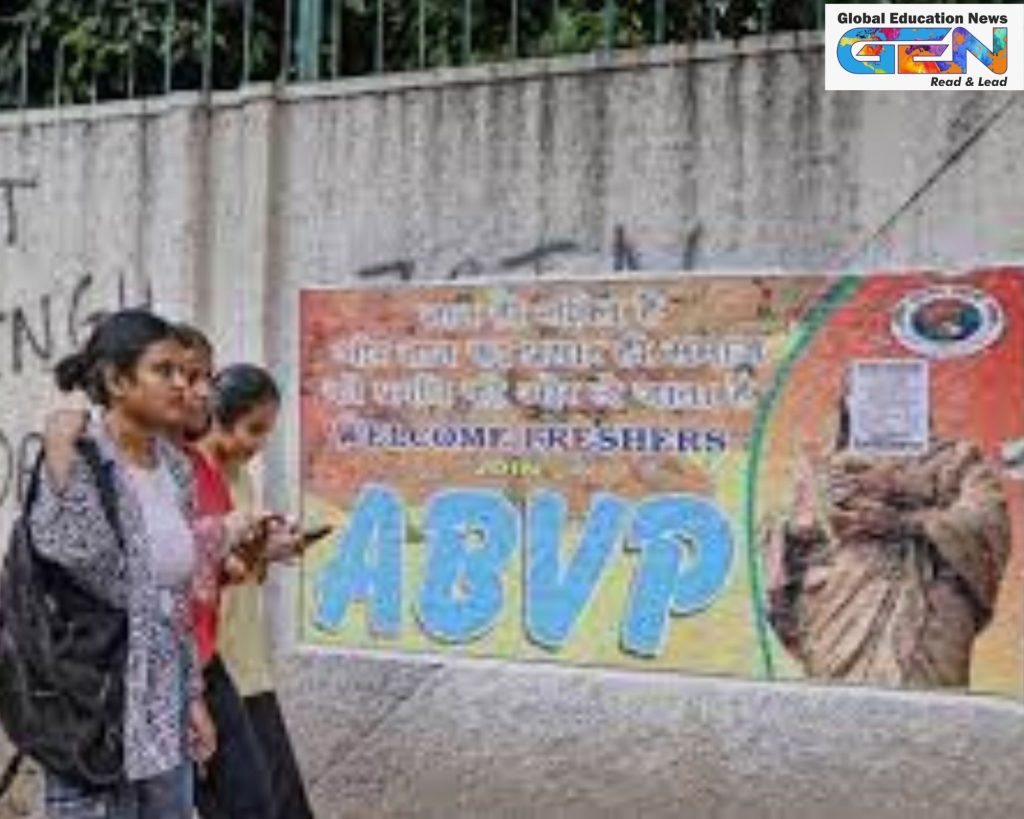
Delhi University (DU) has rolled out comprehensive anti-defacement guidelines ahead of the 2025 Delhi University Students’ Union (DUSU) elections, aiming to eliminate vandalism and promote disciplined campaigning. Released on August 8, 2025, these rules mandate a Rs 1 lakh bond from candidates, ban posters and rallies, and introduce monitoring mechanisms to foster accountability. This initiative aligns with legal standards, court orders, and Lyngdoh Committee recommendations, marking a significant step toward cleaner campuses.
Key Points:
- Guidelines issued to prevent property defacement during elections.
- Based on the Prevention of Damage to Public Property Act, 1984, and Delhi Prevention of Defacement of Property Act, 2007.
- Focuses on discipline, transparency, and adherence to election codes.
- Inspired by past issues of extravagant campaigning and vandalism.
Mandatory Bonds and Affidavits for Candidates
All contesting candidates must submit a Rs 1 lakh bond with their nomination papers, pledging against defacement. This financial commitment ensures accountability, with violations leading to bond forfeiture. Additionally, students are required to submit anti-defacement affidavits during admission, similar to anti-ragging declarations, reinforcing a culture of responsibility from the outset.
Key Points:
- Rs 1 lakh bond required from each candidate to deter violations.
- Anti-defacement affidavits mandatory at admission.
- False name usage must be reported to police within 24 hours.
- Penalties include fines up to Rs 25,000, suspension, rustication, or disqualification.
Bans on Traditional Campaigning Methods
To minimize environmental and property damage, DU has prohibited posters on walls, rallies, roadshows, dhols, loudspeakers, and vehicle use for canvassing. Instead, candidates are encouraged to use electronic outreach and designated “walls of democracy” for handmade posters. These restrictions aim to shift focus from flashy campaigns to substantive student issues.
Key Points:
- No posters, pamphlets, or notices except on designated “walls of democracy.”
- Bans on rallies, roadshows, loudspeakers, and vehicles.
- Promotion of digital campaigning for eco-friendly elections.
- Only three venues allowed for official events with prior approval.
Enhanced Monitoring and Reporting Mechanisms
DU has established college-level and university-level committees for preventing defacement, with potential biometric checks to control outsider entry. An online portal at both levels enables students to report violations swiftly. Candidate debates will be hosted and uploaded online, ensuring transparency and fair play.
Key Points:
- Formation of ‘College Committee for Prevention of Defacement of Property’ in each institution.
- University-level monitoring committee for oversight.
- Online portals for real-time violation reporting.
- Biometric checks and strict outsider controls to maintain campus security.
Name Verification and Restrictions for Office-Bearers
Candidates must use names from their secondary or senior secondary certificates, with changes only via official government processes. DUSU office-bearers face restrictions on booking venues, prohibiting guest houses or hostels to prevent misuse of resources.
Key Points:
- Name verification based on official certificates to avoid identity fraud.
- Limited venue bookings for office-bearers to three approved locations.
- Approval required for all official events.
- Ensures fair use of university resources during and after elections.
Why These Rules Matter Now
With DUSU elections approaching, these guidelines address longstanding issues of campus pollution, extravagant spending, and disruptions from past polls. By enforcing strict measures, DU aims to create a model for fair, sustainable student elections, reducing litigation and promoting student welfare. The rules reflect a broader commitment to legal compliance and campus integrity.
Key Points:
- Responds to past election delays and violations in 2024.
- Aims to curb extravagant campaigning and vandalism.
- Aligns with court directives and Lyngdoh Committee for ethical polls.
- Sets a precedent for other universities to follow.
Implications for Students and Campuses
These reforms empower students to focus on ideas over spectacle, fostering a healthier democratic process. While some may view the restrictions as limiting, they promise cleaner, safer campuses and reduced post-election cleanup burdens. Institutions are urged to conduct orientation programs to educate students on these rules.
Key Points:
- Encourages substantive campaigning over visual pollution.
- Reduces post-election cleanup and legal disputes.
- Orientation programs to build awareness on discipline.
- Potential for biometric tech to enhance security.