The Delhi Budget 2026–27 marks a decisive shift toward youth-centric governance, placing strong emphasis on education, digital empowerment, and skill development. With a substantial allocation to the education sector and multiple student-focused initiatives, the government aims to build a future-ready workforce aligned with modern economic demands.
This article provides a structured and analytical breakdown of the budget’s key announcements and their long-term implications.
1. Budget Overview: Education Takes Centre Stage
Key highlights:
- Significant allocation of ₹19,000+ crore to education
- Focus on infrastructure, accessibility, and digital learning
- Emphasis on student welfare and skill-building initiatives
Insight: The budget reflects a strategic intent to make education the foundation of economic and social development.
2. Digital Push: Free Laptops for Students
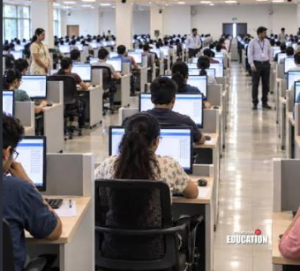
One of the most impactful announcements is the distribution of free laptops to meritorious students.
Key objectives:
- Promote digital learning and tech accessibility
- Bridge the digital divide between socio-economic groups
- Enhance online education and skill acquisition
Analysis: This initiative aligns with the broader shift toward technology-driven education ecosystems, ensuring students are equipped for digital careers.
3. Expansion of Sainik Schools: Discipline Meets Education
The budget also includes plans to expand Sainik school education, integrating:
- Academic excellence
- Physical training and discipline
- Leadership development
Key Insight: This move supports holistic student development, combining education with values like discipline, patriotism, and leadership.
4. Skill Development: Building a Future-Ready Workforce
A major pillar of the budget is youth skill development, focusing on:
Core areas:
- Industry-relevant skill training
- Vocational education expansion
- Alignment with emerging sectors like AI and technology
Analysis: This approach reflects a national trend toward bridging the gap between education and employability, ensuring students are job-ready.
5. Student Welfare Schemes: Inclusive Growth
The budget introduces multiple initiatives aimed at improving access and participation in education.
Key measures:
- Free transportation support
- Bicycles for schoolgirls
- Incentives for academic performance
Insight: These schemes are designed to reduce dropout rates and improve gender inclusion, particularly among economically weaker sections.
6. Infrastructure & Modernisation of Education
Focus areas:
- Upgrading school infrastructure
- Integration of digital tools and smart classrooms
- Expansion of educational facilities
Analysis: Investment in infrastructure ensures that policy reforms are supported by physical and technological capacity.
7. Alignment with National Education Trends
The Delhi Budget 2026 aligns with broader national priorities:
- NEP 2020 implementation
- Digital education expansion
- Skill India and employability focus
- Entrepreneurship and innovation
Key Point: The budget reflects a holistic education model—combining academics, skills, and technology.
8. Economic and Social Implications
Economic impact:
- Creation of a skilled workforce
- Boost to employment and entrepreneurship
- Increased productivity in the long run
Social impact:
- Improved access to education
- Greater gender equality
- Enhanced digital inclusion
Insight: Education-focused budgets act as long-term investments in human capital.
9. Challenges and Way Forward
Key challenges:
- Effective implementation of schemes
- Ensuring equitable distribution of resources
- Monitoring outcomes and learning quality
Way forward:
- Strengthening public-private partnerships
- Expanding digital infrastructure
- Continuous policy evaluation