Published on November 03 , 2025
Delhi, India
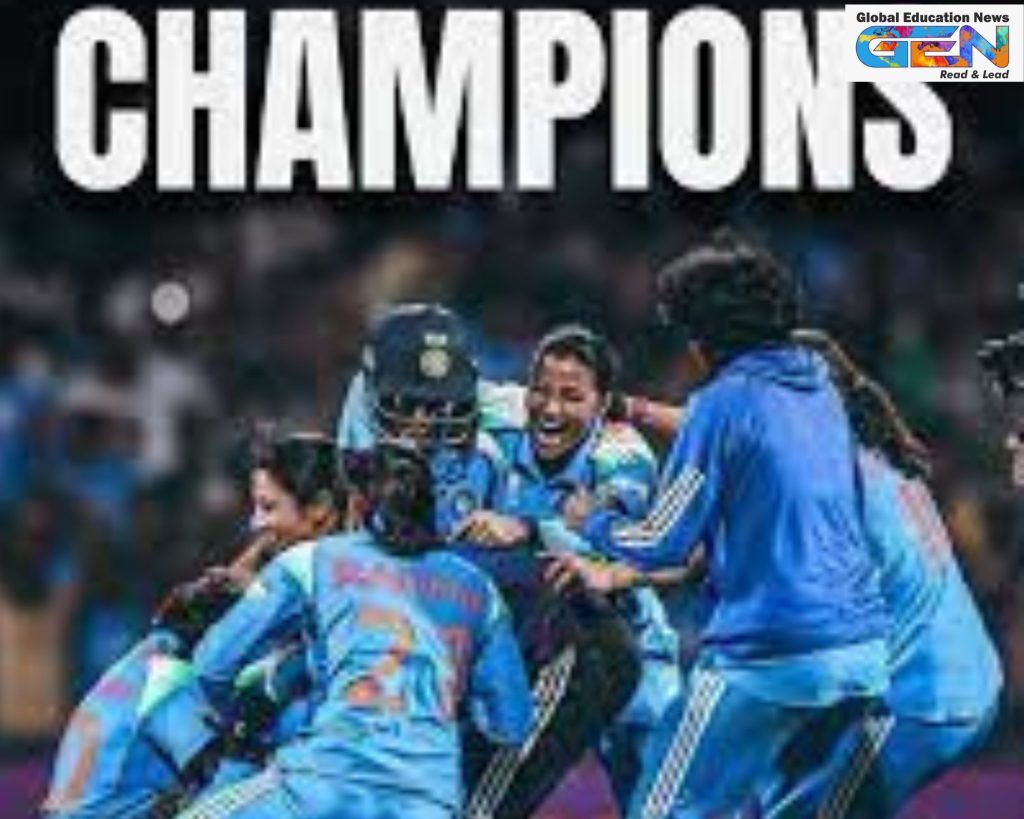
On November 2, 2025, the Indian women’s cricket team scripted history by clinching their first-ever ICC Women’s Cricket World Cup title, defeating South Africa by 52 runs in a thrilling final at the Dr. DY Patil Stadium in Navi Mumbai. This landmark achievement not only elevates women’s cricket in India but also spotlights themes of gender empowerment, sports infrastructure, and international governance—prime fodder for UPSC aspirants gearing up for Prelims 2026. With the exam slated for May 24, 2026, integrating such dynamic current affairs into your GS Paper I prep can be a game-changer.
This guide distills the match essentials, player heroics, tournament context, and UPSC linkages into bite-sized sections. Backed by stats and strategic notes, it’s your quick-reference toolkit to ace questions on sports policy, societal shifts, and global events. Whether you’re revising NCERTs or tackling mocks, these insights from India’s World Cup glory will sharpen your edge.
Match Breakdown: Scores, Strategy, and Turning Points
The final showcased India’s batting depth and bowling precision, turning a high-pressure chase into a dominant display. Captain Harmanpreet Kaur’s tactical acumen shone through, blending aggressive strokeplay with disciplined fielding.
Key Scorecard Highlights
| Aspect | India (Batting First) | South Africa (Chasing) | Notes |
|---|---|---|---|
| Total Score | 298/7 in 50 overs | 246 all out in 48.2 overs | India’s highest ODI total in a World Cup final; SA collapsed in the middle overs. |
| Top Batsmen | Shafali Verma (87 off 78), Deepti Sharma (58 off 62), Harmanpreet Kaur (45*) | Laura Wolvaardt (76), Tazmin Brits (52) | Shafali’s explosive opener set the tone; Deepti’s all-round 88 runs + 3/45 earned Player of the Match. |
| Key Bowlers | Deepti Sharma (3/45), Renuka Singh (2/38), Radha Yadav (2/52) | Ayabonga Khaka (3/62), Marizanne Kapp (2/55) | Deepti’s spin dismantled SA’s middle order; Renuka’s swing troubled early batsmen. |
| Partnerships | 4th wicket: 112 (Deepti & Jemimah Rodrigues) | 1st wicket: 98 (Wolvaardt & Brits) | India’s recovery from 112/3 proved decisive. |
- Winning Moment: SA needed 53 off the last 10 overs but lost wickets in clusters, sealing India’s first major ICC trophy since 1983 (men’s).
- Venue Edge: Hosted at a 55,000-capacity stadium with world-class facilities, it boosted home crowd energy—over 40,000 spectators cheered the triumph.
This victory ends a 20-year wait for an ICC white-ball title in women’s cricket, underscoring BCCI’s investments in domestic leagues like the Women’s Premier League (WPL).
Star Performers: Player Profiles and Career Milestones
Behind the numbers were individuals who redefined resilience and skill. These profiles double as UPSC notes on women’s leadership in sports.
Standout Contributions
- Shafali Verma (Opener): Blasted 87 with 10 fours and 2 sixes; her aggressive 140+ strike rate echoed Virender Sehwag’s flair. At 21, she’s a symbol of youth empowerment in cricket.
- Deepti Sharma (All-Rounder, Player of the Match): 58 runs + 3 wickets; her economical spell (4.5 RPO) turned the game. A Railways employee, Deepti’s journey highlights grassroots talent pipelines.
- Harmanpreet Kaur (Captain): Unbeaten 45 off 38; her calm leadership navigated a mid-innings wobble. As the first woman to score a T20I century, she’s a beacon for gender parity in captaincy.
- Supporting Cast: Smriti Mandhana (32, elegant drives), Richa Ghosh (quick 28, sharp keeping), Renuka Singh (early breakthroughs with pace).
- Team Depth: Reserves like Jemimah Rodrigues (42) and Amanjot Kaur added balance; head coach Amol Muzumdar’s data-driven strategies were pivotal.
- Milestone Alert: This win catapults India to No. 1 in ICC ODI rankings, boosting eligibility for future events.
For UPSC: Note how these athletes embody “Beti Bachao, Beti Padhao” extensions into sports, linking to GS Paper I (Society) themes.
Tournament Context: History, Format, and Global Significance
Launched in 1973—two years before the men’s edition—the ICC Women’s World Cup has evolved from a niche event to a billion-dollar spectacle, promoting inclusivity.
Core Facts
- Format: 8 teams in round-robin league; top 4 semis. India topped the table with 6 wins from 7, including upsets over Australia and England.
- Historical Edge: England (4 titles), Australia (3); India reaches final after semis win vs. New Zealand. First Asian host since 1997.
- ICC Governance: HQ in Dubai; merged with International Women’s Cricket Council in 2005. Key initiatives: 50% gender-balanced boards by 2027.
- Future Fixtures: Women’s T20 WC 2026 (England), ODI WC 2029 (India)—potential for more Indian-led growth.
- Broader Impact: Victory aligns with UN Sustainable Development Goal 5 (Gender Equality); sparked 30% surge in female cricket registrations post-match.
- Economic Boost: WPL viewership hit 500 million; this win could double sponsorships, fueling infrastructure in Tier-2 cities.
UPSC Angle: Questions may probe ICC’s role in soft diplomacy or sports as a tool for national integration (Prelims 2019 precedent).
UPSC Prelims 2026 Relevance: Current Affairs Linkages and Prep Tips
With notification dropping January 14, 2026 (applications till Feb 3), weave this event into your 6-month sprint. Past papers show sports queries (e.g., 2021: ICC HQ; 2017: Gender in Olympics).
Exam-Specific Takeaways
- GS Paper I (200 marks, 2 hours): Focus on factuals—first Indian women’s WC win, 52-run margin, key players. Link to societal shifts: Women’s cricket’s Olympic debut 2028.
- CSAT (Qualifying, 80 marks): Practice comprehension on match reports for analytical skills.
- Potential Questions:
- Which year did ICC assume direct control of women’s cricket? (2005)
- India’s first ICC women’s title? (2025 ODI WC)
- Venue of 2025 final? (Dr. DY Patil Stadium)