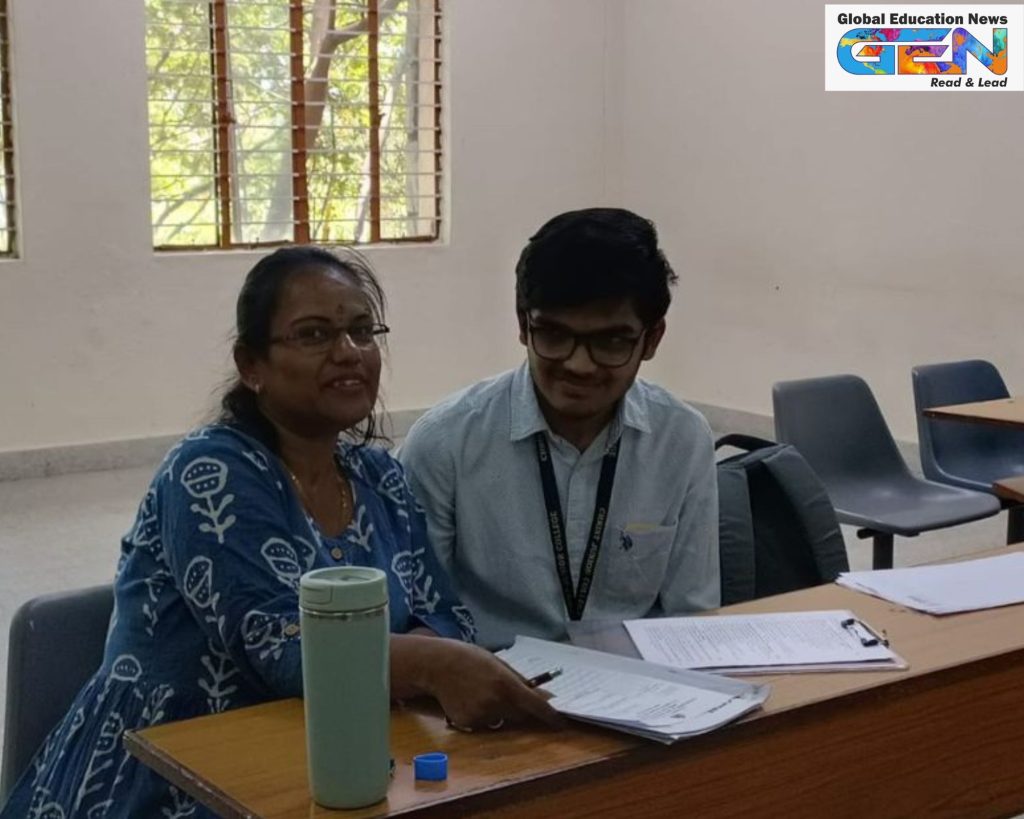
The Ministry of Social Justice and Empowerment has introduced revised guidelines to regulate scribe usage for Persons with Disabilities (PwD) in competitive examinations, effective September 2025. Aimed at curbing malpractice and enhancing accessibility, these rules align with the Rights of Persons with Disabilities Act, 2016, and the Public Examination (Prevention of Unfair Means) Act, 2024. By mandating vetted scribe pools and promoting assistive technologies, the Centre is ensuring a fair and transparent examination process for UPSC CSE, SSC CGL, JEE Main, NTA CUET, and other public exams.
Key Points:
- Examining bodies like UPSC, SSC, and NTA must create vetted scribe pools within two years.
- The “own scribe” system, flagged for malpractice, will be phased out by 2027.
- Assistive technologies like screen readers and Braille are prioritized to encourage independent exam attempts.
- The guidelines apply to all competitive exams linked to jobs and professional course admissions.
These changes mark a significant step toward inclusivity and integrity for PwD candidates in competitive exams.
Curbing Malpractice: Why the “Own Scribe” System Is Phasing Out
The decision to eliminate privately arranged scribes stems from concerns raised by examining bodies like UPSC, DoPT, and NRA about vulnerabilities in the “own scribe” system. Instances of collusion, where scribes wrote answers independently without proper dictation, have undermined exam credibility. The new guidelines address these issues head-on to restore trust in the process.
Key Points:
- Malpractices, including scribes acting independently, have compromised exam fairness.
- By 2027, all agencies must maintain trained, supervised scribe pools to ensure integrity.
- Until scribe pools are ready, “own scribes” are allowed only in exceptional cases.
- Scribes must have qualifications two to three years below the exam’s minimum requirement and no conflicts of interest.
This shift ensures that PwD aspirants compete on a level playing field, safeguarding the sanctity of exams like UPSC CSE 2025 and JEE Advanced.
Empowering Independence with Assistive Technology
The revised guidelines emphasize reducing reliance on scribes by promoting assistive technologies such as JAWS, NVDA, speech-to-text software, Braille, and large-print materials. This approach not only enhances exam accessibility but also prepares PwD candidates for independent functioning in workplaces and professional courses.
Key Points:
- Candidates are encouraged to use software-enabled laptops, recording devices, and screen readers.
- Assistive tech reduces dependency on scribes, fostering self-reliance.
- Exam centres must provide accessible infrastructure, including ramps, lifts, and quieter rooms for neurodiverse candidates.
- Compensatory time of at least 20 minutes per hour is guaranteed for candidates with writing limitations.
These measures empower PwD students to excel in exams like NTA CUET and SSC CGL with confidence and independence.
Accessibility and Accountability: A Holistic Framework
The guidelines go beyond scribe regulation, mandating fully accessible exam centres and robust grievance redressal systems. From ramps to audio announcements, the infrastructure is designed to accommodate diverse disabilities. Additionally, accountability measures ensure compliance and protect candidate privacy.
Key Points:
- Exam centres must have ramps, lifts, wide corridors, and ground-floor seating.
- Neurodiverse candidates and those with chronic health conditions will get quieter rooms.
- Grievance redressal systems and annual staff sensitization programs are mandatory.
- Candidate data is protected under the Digital Personal Data Protection Act, 2023.
Non-compliance by officials or malpractice by candidates/scribes will attract penalties, ensuring a fair system for all.
What This Means for PwD Aspirants
The revised scribe rules are a game-changer for PwD candidates preparing for competitive exams in 2025 and beyond. By prioritizing fairness, accessibility, and independence, the guidelines create an equitable environment for aspirants targeting UPSC CSE, JEE Main, or SSC CGL.
Key Points:
- Vetted scribe pools will ensure transparency and curb malpractices by 2027.
- Assistive technologies empower candidates to attempt exams independently.
- Accessible exam centres and grievance systems enhance inclusivity.
- Feedback on scribe quality and incentives for trained scribes will improve the experience.
For PwD aspirants, these changes mean a more inclusive, transparent, and empowering path to success. Start preparing for competitive exams 2025 with confidence, backed by a system designed to support your potential!