Published on October 9, 2025
Delhi, India
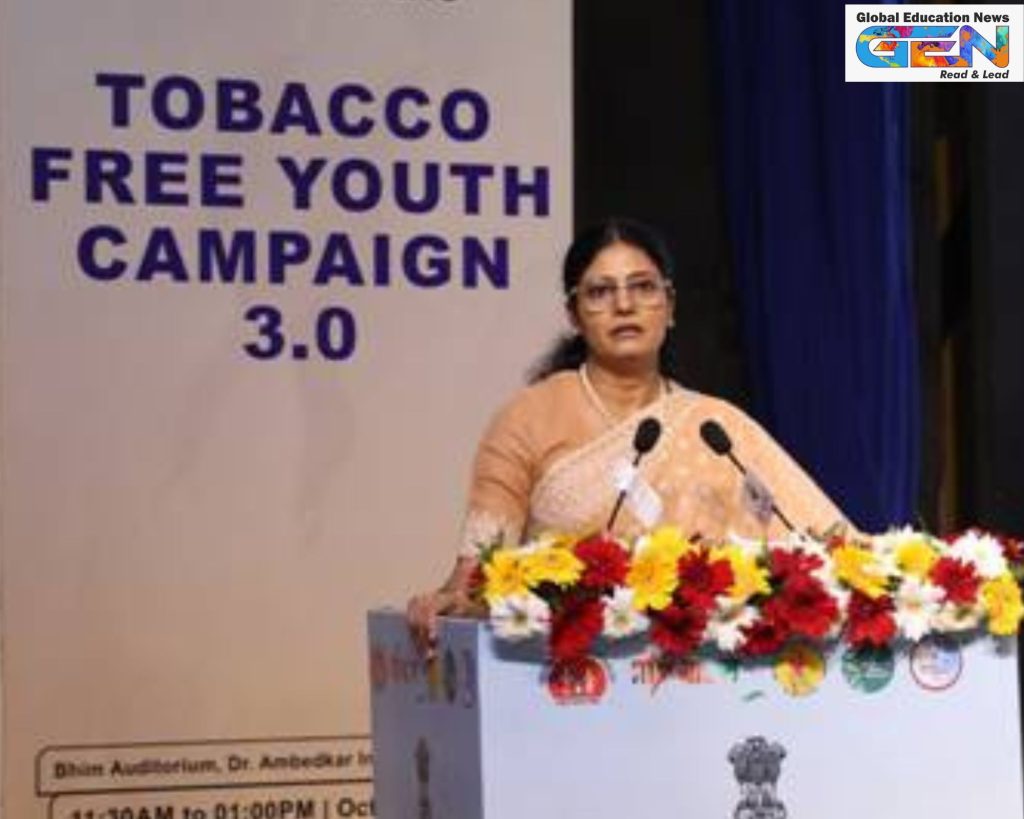
The Government of India has initiated the Tobacco Free Youth Campaign 3.0 (TFYC 3.0), a collaborative effort between the Ministries of Education and Health & Family Welfare, to foster tobacco-free learning environments and bolster youth well-being. This third iteration builds on prior successes, emphasizing a holistic approach to prevention and cessation under the Azadi Ka Amrit Mahotsav umbrella.
- Key Highlights:
- A 60-day national drive launching on October 9, 2025, to educate, empower, and enforce tobacco-free policies in educational institutions.
- Aligns with the vision of Viksit Bharat@2047, aiming to nurture resilient, healthy youth for national progress.
- Urges States and Union Territories to recommit to the Guidelines for Tobacco-Free Educational Institutions (ToFEI).
Objectives
TFYC 3.0 focuses on curbing tobacco initiation among vulnerable youth while supporting quit efforts, integrating awareness with actionable enforcement to cultivate a wellness-oriented culture in schools and higher education.
- Core Goals:
- Prevent new tobacco use through targeted education and community sensitization.
- Provide counselling and resources for students seeking to quit tobacco and other substances.
- Promote sustained health practices via policy enforcement and innovative engagement.
Target Audience and Statistics
The campaign zeroes in on adolescents and young adults, addressing early exposure that threatens long-term health outcomes.
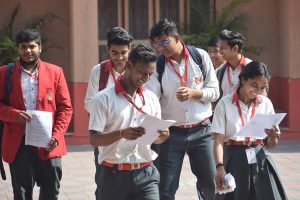
- Primary Focus: Students aged 13–15 years, alongside broader youth in schools, colleges, universities, and vocational institutes; involves teachers, school heads, and NSS/NCC volunteers.
- Critical Data: Tobacco claims over 13 lakh lives yearly in India; Global Youth Tobacco Survey (GYTS-2019) shows 8.4% of 13–15-year-olds use tobacco, with initiation often at age 10.
Key Components and Strategies
The initiative employs six core strategies—awareness generation, enforcement, capacity building, support services, community mobilization, and recognition—to create lasting impact.
- Enforcement Drives: Strict monitoring to maintain tobacco-free campuses and enforce 100-yard no-tobacco zones around institutions.
- Capacity-Building Workshops: Training for educators, NSS/NCC volunteers, and administrators on tobacco harms and substance abuse prevention.
- Counselling Sessions: Dedicated support for at-risk students to facilitate quitting.
- Community Campaigns: Public events marking tobacco-free boundaries and disseminating educational videos.
- Competitions and Recognition: Innovative awareness contests and awards for ToFEI-compliant institutions.
- Digital Engagement: Quizzes like the World No Tobacco Day event and ‘School Challenge: Towards a Tobacco-Free Generation’ on MyGov platform.
Partners and Implementation
A whole-of-government model ensures widespread rollout, leveraging national and local networks for maximum reach.
- Lead Partners: Ministry of Education and Ministry of Health & Family Welfare.
- Supporting Entities: States/UTs for localized execution; NSS, NCC, and MyGov for volunteer and digital involvement.
- Implementation Approach: Institutions urged to integrate ToFEI guidelines; proactive youth sensitization activities across 730+ districts.
Timelines and Next Steps
With a focused 60-day window, the campaign prioritizes rapid activation followed by evaluation for scalability.
- Schedule: Launch October 9, 2025; runs through early December 2025.
- Action Items: Monitor MyGov for participation; institutions to schedule workshops and drives immediately; track progress via ministry portals.
Broader Impact
TFYC 3.0 not only tackles immediate tobacco threats but also addresses substance abuse holistically, potentially reducing youth initiation rates and saving lives while enhancing educational focus.
- Expected Outcomes: Stronger enforcement could cut school-related tobacco incidents by 20-30%; empowers youth as health advocates for community-wide change.
- Long-Term Vision: Contributes to a tobacco-free India by 2047, fostering mentally and physically robust generations.