Published on November 03 , 2025
Delhi, India
In the high-stakes world of UPSC preparation, where dreams of civil services clash with aggressive marketing, the Central Consumer Protection Authority (CCPA) has drawn a firm line. On November 2, 2025, it imposed hefty penalties of Rs 8 lakh each on Dikshant IAS and Abhimanu IAS for deceptive advertisements that falsely inflated success rates and exploited successful candidates’ identities without consent. This crackdown, triggered by complaints from UPSC toppers themselves, underscores a growing regulatory push to shield aspirants from hype-driven misinformation in India’s booming coaching industry, valued at over Rs 58,000 crore.
As UPSC CSE 2025 notifications loom, this ruling serves as a red flag for the lakhs of students eyeing IAS, IPS, and IFS roles. Below, we dissect the violations, the institutes’ defenses (or lack thereof), and what it means for the sector—armed with key insights to help you navigate ethical coaching choices.
The Violations Unveiled: What Led to the Rs 8 Lakh Penalties?
The CCPA’s inquiry, under the Consumer Protection Act 2019, zeroed in on “unfair trade practices” and “misleading ads” that promised the moon but delivered smoke. Both institutes were accused of cherry-picking success stories to lure enrollments, often without verifiable links to their programs. Here’s the breakdown:
Dikshant IAS: False “200+ Results” Claims
- Core Issue: The institute splashed ads claiming “200+ Results in UPSC CSE 2021,” prominently featuring Mini Shukla (AIR 96, UPSC 2021) with her name, photo, and rank. Shukla lodged a formal complaint, revealing her only tie to Dikshant was a single mock interview session—no full course enrollment or sustained guidance.
- CCPA Findings: No evidence backed the “200+” figure; ads omitted disclaimers about candidates’ actual involvement, creating a false narrative of guaranteed success. This violated guidelines on truthful endorsements.
- Penalty Implication: Rs 8 lakh fine, plus orders to pull down all such content immediately. The authority highlighted how such tactics erode trust and mislead vulnerable aspirants into pricey, ineffective programs.
Abhimanu IAS: Unauthorized Topper Exploitation
- Core Issue: Ads boasted “2200+ Selections since Inception” and “10+ Selections in IAS Top 10,” using Natasha Goyal’s (AIR 175, UPSC 2022) photo without her permission. Goyal’s grievance exposed the misuse in a 2023 campaign showcasing 139 “success stories.”
- CCPA Findings: Of those 139, only 51 could vaguely link to the institute’s courses; 88 cleared independently via self-study or other means. Claims lacked data on “inception” (institute founded in 1999) or top-10 specifics, amounting to exaggeration. No consent forms or verification processes were in place.
- Penalty Implication: Rs 8 lakh fine, with directives for transparent disclosures in future ads. The ruling stressed that unauthorized use of identities infringes privacy and deceives consumers about program efficacy.
These cases echo a pattern: Coaching giants leveraging UPSC glamour to justify fees ranging from Rs 1-2 lakh per course, often without proportional outcomes.
Broader CCPA Crackdown: A Timeline of Penalties on IAS Coaching Institutes
This isn’t isolated— the CCPA has been on a mission since 2024, issuing 57 notices and collecting over Rs 98.6 lakh in fines from 27 institutions. The goal? Enforce ad guidelines mandating evidence-based claims, consent for testimonials, and clear success metrics (e.g., % of enrolled students clearing prelims/mains).
Key Past Actions in 2025
| Institute | Fine Amount | Reason for Penalty | Date Issued |
|---|---|---|---|
| Drishti IAS | Rs 5 lakh | Inflated “100% Success Rate” without proof; misused alumni photos | March 2025 |
| Vision IAS | Rs 3 lakh | Vague “Topper Factory” claims; no data on selection ratios | May 2025 |
| Dikshant IAS | Rs 8 lakh | False 200+ results; unauthorized topper endorsement | Nov 2, 2025 |
| Abhimanu IAS | Rs 8 lakh | Exaggerated selections; privacy breach with photos | Nov 2, 2025 |
- Trend Insight: Fines have escalated from warnings to direct penalties, targeting digital ads on social media and websites. Over 70% of complaints stem from ex-students or toppers via the National Consumer Helpline.
- Regulatory Teeth: Institutes must now display “success disclaimers” (e.g., “Results vary; past performance no guarantee”) and face audits for claims exceeding 50 selections annually.
Impact on UPSC Aspirants: Protecting Your Wallet and Dreams
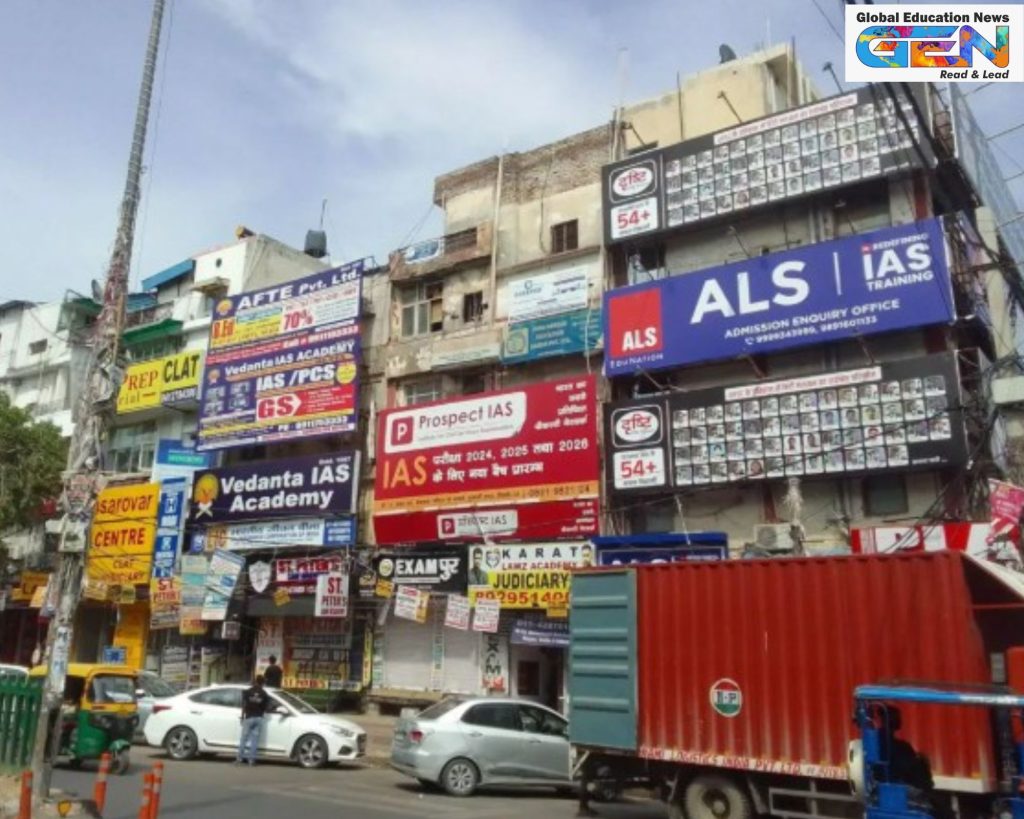
For the 10+ lakh UPSC hopefuls each year, these fines are a lifeline amid the chaos of Delhi’s Mukherjee Nagar and online hype. Misleading ads can drain Rs 50,000-3 lakh on subpar coaching, delaying real prep like NCERT mastery or answer-writing practice.
Key Takeaways for Smart Choices
- Spot Red Flags: Beware of “guaranteed ranks” or unverified “topper lists.” Demand alumni contact details or third-party reviews.
- Verify Claims: Cross-check with UPSC’s official rank lists (upsc.gov.in) and forums like ForumIAS or InsightsIAS.
- Legal Recourse: File complaints at consumerhelpline.gov.in if ads mislead post-enrollment—refunds are possible under CPA 2019.
- Ethical Alternatives: Opt for institutes with transparent metrics, like those audited by bodies such as the Coaching Federation of India, or free resources via Unacademy’s verified modules.
CCPA Chief Rohit Kumar Singh emphasized: “Coaching must empower, not exploit. These actions ensure aspirants get facts, not fiction.” The institutes have 30 days to comply, with appeals possible but unlikely to sway evidence-based rulings.