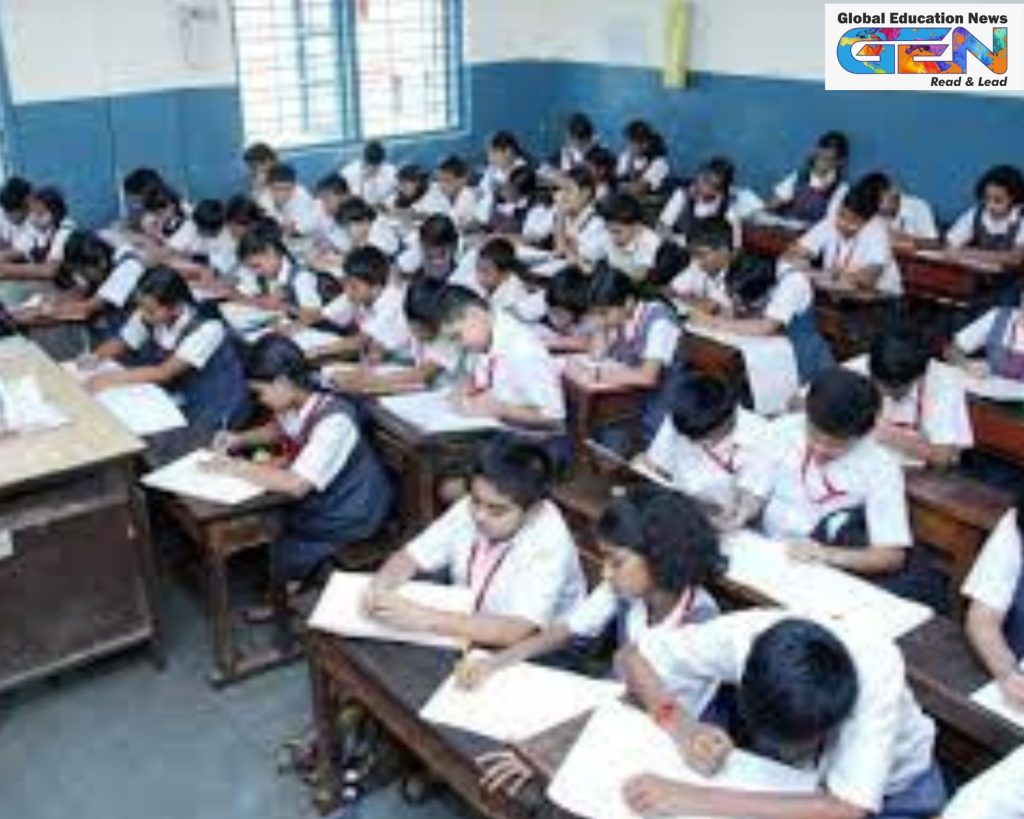
In a landmark decision, the Central Board of Secondary Education (CBSE) has mandated that all affiliated schools prominently display the Tele-MANAS mental health helpline numbers (14416 and 1800-891-4416) and the QR code for its mobile app. Launched by the Ministry of Health and Family Welfare in October 2022, Tele-MANAS offers free, confidential, 24/7 mental health support in 20 languages, aimed at nurturing the emotional well-being of students across India. This initiative underscores CBSE’s commitment to creating a supportive environment for adolescents, addressing rising mental health challenges in schools.
Key Points:
- CBSE mandates display of Tele-MANAS helpline numbers and app QR code in schools.
- Tele-MANAS provides 24/7 mental health support in 20 languages.
- Initiative aims to foster emotional resilience among students.
Tele-MANAS: A Lifeline for Students
Tele-MANAS (Tele-Mental Health Assistance and Networking Across States) is a pioneering initiative by the Government of India to provide accessible mental health support. Tailored to the needs of adolescents and young learners, it offers free counseling, video consultations, and a mobile app to ensure students can seek help anytime, anywhere.
Key Features of Tele-MANAS:
- Helpline Numbers: 14416 and 1800-891-4416, available 24/7.
- Languages: Supports 20 languages, with plans to add more regional languages.
- Services: Free, confidential counseling by trained mental health professionals.
- Mobile App: Available in Hindi and English for easy access to resources.
- Video Consultations: Real-time, confidential interactions for personalized support.
Key Points:
- Offers free, round-the-clock mental health support for students.
- Multilingual services enhance accessibility across India.
- Mobile app and video consultations make help readily available.
CBSE’s Mandate: Integrating Mental Health into Schools
CBSE has issued clear directives to ensure schools actively promote mental health awareness and access to Tele-MANAS services. These measures aim to create a supportive ecosystem that prioritizes student well-being and emotional resilience.
CBSE Directives:
- Display Requirements: Prominently display Tele-MANAS helpline numbers and QR code near counselor rooms, notice boards, libraries, and ICT labs.
- Awareness Campaigns: Include mental health information in school newsletters, student handbooks, assemblies, and parent-teacher meetings.
- Use of IEC Materials: Utilize Ministry-provided Information, Education, and Communication (IEC) videos during wellness and life-skills activities.
- Counselor Training: Mandatory capacity-building for school counselors and wellness coordinators to refer students to Tele-MANAS when needed.
- Peer-Led Initiatives: Encourage age-appropriate, peer-led mental health awareness activities in collaboration with programs like Samagra Shiksha or PM SHRI Schools.
Key Points:
- Schools to display helpline details in high-traffic areas for visibility.
- Awareness integrated into school activities and communications.
- Counselors trained to guide students to professional support.
Why It Matters: Addressing the Mental Health Crisis
With rising cases of stress, anxiety, and depression among students—exacerbated by academic pressures and social media—CBSE’s mandate comes at a critical time. Schools are vital spaces for shaping emotional resilience, and access to professional mental health services can make a significant difference.
Impact of the Initiative:
- Early Intervention: Encourages students to seek help before issues escalate.
- Stigma Reduction: Normalizes mental health conversations in schools.
- Holistic Development: Supports students’ emotional and academic growth.
- Community Engagement: Involves parents and peers in fostering a supportive environment.
Key Points:
- Addresses growing mental health challenges among adolescents.
- Promotes early intervention and stigma-free discussions.
- Strengthens schools as hubs for holistic student development.
Implementation: How Schools Are Responding
CBSE’s directive requires schools to integrate Tele-MANAS into their existing wellness frameworks, leveraging programs like Samagra Shiksha and PM SHRI Schools. Schools are encouraged to:
- Create Awareness: Use assemblies and newsletters to educate students and parents about Tele-MANAS.
- Train Staff: Equip counselors with skills to identify and refer students needing support.
- Engage Peers: Promote peer-led activities to foster a culture of openness and support.
- Monitor Compliance: Ensure helpline numbers and QR codes are visible and accessible.
Key Points:
- Schools integrate Tele-MANAS into existing wellness programs.
- Peer-led initiatives encourage student participation.
- Compliance ensures widespread access to mental health resources.
Challenges and Opportunities
While the initiative is a significant step forward, schools may face challenges in implementation, such as limited counselor training or resistance to mental health discussions in some communities. However, these challenges also present opportunities:
Challenges:
- Resource Constraints: Some schools may lack trained counselors or infrastructure to promote awareness effectively.
- Cultural Stigma: Mental health stigma in certain regions may hinder student engagement.
- Language Barriers: While 20 languages are supported, further regional language expansion is needed.
Opportunities:
- Capacity Building: Training programs can upskill counselors and teachers.
- Community Involvement: Engaging parents and local leaders can reduce stigma.
- Digital Access: The Tele-MANAS app and video consultations enhance reach in remote areas.
Key Points:
- Challenges include resource limitations and cultural stigma.
- Opportunities lie in training, community engagement, and digital tools.
- Expansion of regional language support will boost accessibility.