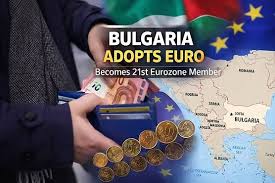
The clock struck midnight on January 1, 2026, and with it, Bulgaria stepped into a new monetary era, bidding farewell to the lev after 144 years of steadfast service. In a ceremony blending national pride and European solidarity, the Balkan nation officially joined the eurozone as its 21st member, marking the culmination of a two-decade journey since EU accession in 2007. From Sofia’s bustling streets to rural vineyards, the dual-currency phase kicked off, allowing shops to accept both lev and euro until February 1, when the fixed exchange rate of 1.95583 lev per euro locks in for good. This isn’t just a cash swap—it’s a strategic leap for a 6.5 million-strong economy, easing remittances for 1.2 million expats and slashing trade barriers with its 20 eurozone neighbors. Yet, as celebrations echo amid fireworks and folk dances, a undercurrent of anxiety swirls: Will prices soar, or will stability soothe? In this pivotal pivot, Bulgaria not only sheds its last communist-era relic but cements its place in Europe’s economic heartbeat, potentially fueling 2.5-3% GDP growth in 2026. As the ECB welcomes its newest sibling, let’s unpack the switch’s story—from hyperinflation scars to eurozone stardom.
The Lev’s Legacy: A Currency Born in Turmoil, Pegged for Prosperity
Bulgaria’s monetary tale is one of resilience amid reinvention. The lev debuted in 1881, post-Ottoman independence, as a gold-backed symbol of sovereignty. Hyperinflation in the 1990s—peaking at 1,000%—shattered trust, paving the way for a 1997 currency board that tethered it to the Deutschmark, then the euro in 1999. This peg delivered stability, taming inflation to 2.2% in 2025 (below the 3.2% Maastricht criterion) and keeping debt at a lean 23% of GDP.
- EU Milestones: Joined the bloc in 2007, NATO in 2004, and Schengen (air/sea) in 2024—yet euro entry lagged due to political volatility (seven elections since 2021).
- Public Pulse: Polls show 49% support (Alpha Research, Dec 2025), with urban youth eyeing easier travel; 46%—often rural elders—worry over sovereignty and price hikes.
- Transition Mechanics: €2.3 billion in euro notes/coins minted; ATMs now dispense euros; businesses must dual-price from January, with €15,000 fines for gouging.
President Rumen Radev, despite vetoing a referendum, conceded: “The euro will bring economic benefits and stability.” For Bulgarians, it’s a bittersweet swap—the lev’s familiarity for eurozone flair.
Economic Boost: From Remittance Relief to Investment Magnet
The euro’s arrival is a fiscal fast-forward for Bulgaria’s €100 billion economy, the EU’s poorest at 50% of the average. It erases 1-2% GDP losses from currency conversions, unlocking seamless flows.
| Benefit | Impact | Projection |
|---|---|---|
| Trade Ease | No hedging for €10B exports (machinery, pharma) to Germany/France. | 5-7% export growth in 2026 (IMF). |
| Remittances | €2B from 1.2M expats (Spain, Germany) sans 2-3% fees. | +€40-60M annually for households. |
| Investment Pull | ECB access lowers borrowing to 2.5%; FDI from euro peers. | 20% FDI rise; €5B inflows by 2027. |
| Stability Shield | Fiscal discipline amid EU recovery funds (€17B post-COVID). | Debt steady at 23% GDP; inflation +0.3-1%. |
As Tánaiste Simon Harris of Ireland noted: “Bulgaria’s adoption strengthens the euro’s resilience.” For businesses, it’s a borderless boon; for citizens, everyday ease in travel and payments.
Public Sentiments: Celebration Meets Caution in a Divided Nation
Sofia’s streets pulsed with joy on New Year’s Eve—fireworks, folk choirs, and euro-branded champagne toasting integration. Yet, a 46% skepticism lingers, fueled by fears of imported inflation (Croatia saw +0.3% post-2023 switch) and diluted identity.
- Pro-Euro Voices: Urban millennials hail cheaper loans and EU clout; Finance Minister Asen Vasilev: “It ends isolation, opens opportunities.”
- Skeptical Shadows: Rural holdouts decry “loss of control”; President Radev warned of “unwanted price pressures.” Anti-gouging laws (€15,000 fines) aim to assuage.
- Social Safety: €1B transition fund for vulnerable; awareness in 28 languages.
Al Jazeera captured the mood: “Celebration and anxiety over inflation.” Polls predict 60% approval post-bedding-in.
Geopolitical Gains: Anchoring Europe’s Eastern Flank
Bulgaria’s entry fortifies the eurozone’s southeastern bulwark, amid Ukraine strains and Balkan volatility.
- EU Unity: Expands to 345M users; ECB oversees €70B banking sector.
- Security Synergy: Bolsters NATO ties; counters Russian energy sway via Black Sea gas.
- Global Echo: IMF praises: “Enhances resilience”; parallels Estonia’s 2011 digital leap.
As Reuters noted: “Lev banished into history—Bulgaria celebrates euro entry.”
Challenges Ahead: Inflation Watch and Integration Pains
Short-term stings: 0.5-1% inflation bump; ECB vigilance on fiscal slips. Long-term? 2.5% GDP growth, per IMF. Success hinges on public buy-in and anti-gouging enforcement.