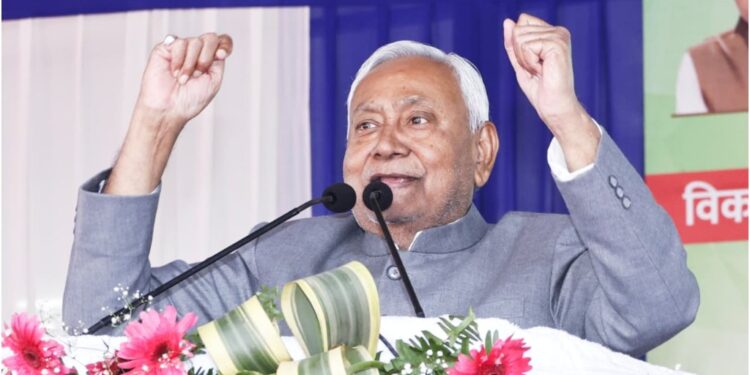
In a bold initiative aimed at revolutionizing higher education access, Bihar Chief Minister Nitish Kumar has unveiled plans to open degree colleges in all 534 blocks of the state. The flagship project, part of the Saat Nischay-3 strategy under the theme “Advanced Education – Bright Future,” will prioritize the 213 blocks that currently lack any degree college. This move is set to begin classes by July 2026, bridging educational gaps across the state and making higher education more accessible and inclusive.
Why This Move Matters
Bridging the Higher Education Gap
Despite Bihar having 534 administrative blocks, 213 blocks still lack a degree college — forcing students to travel long distances or abandon further studies due to accessibility constraints. Opening colleges in these areas will significantly increase higher education enrollment, particularly in rural and remote regions.
Empowering Girls Through Local Access
A core focus of the initiative is to improve access for girls, who often face safety and social barriers when pursuing education far from home. With nearby colleges, families are more likely to support higher education for daughters, positively influencing female literacy and workforce participation.
Strategic Components of the Initiative
1. Establishing New Degree Colleges
- The first phase targets 213 blocks without colleges, with a strict timeline for classes to begin by July 2026.
- These colleges will offer undergraduate courses across arts, science, and commerce, expanding educational reach.
2. Upgrading Existing Institutions
Alongside new colleges, the government plans to develop 55 historical and prestigious institutions into ‘Centres of Excellence’, focusing on quality education, modern infrastructure, and employment-oriented programs. These upgrades aim to revitalize well-established campuses and align them with contemporary academic and industry needs.
3. Implementation Roadmap
Officials have been instructed to initiate land acquisition, construction, faculty recruitment, and administrative setup immediately to meet the July 2026 operational goal. This includes ongoing consultations with educators and students to ensure relevance and quality of academic programs.
Expected Impact on Students and Society
Enhanced Educational Equity
By ensuring that every block has a degree college, Bihar aims to democratize access to higher education — a significant step toward social inclusion and literacy growth. Rural students, who previously faced barriers, will now have opportunities for academic growth and career preparation.
Boost to Local Economies
The expansion of colleges is expected to create employment opportunities, both academic and administrative, while also stimulating local economies through increased demand for services and infrastructure build-outs.
Alignment with Broader Educational Reforms
This initiative follows Bihar’s recent education budget emphasis, where education received one of the highest allocations, with plans to establish degree and even engineering colleges in underserved areas. This highlights a long-term vision to elevate Bihar’s education profile nationwide.
Challenges and Considerations
While the announcement has been widely welcomed, practical challenges remain:
- Ensuring consistent funding and timely construction
- Recruiting qualified faculty in rural regions
- Maintaining quality standards across all new institutions
Addressing these factors will be key to the success of the initiative.