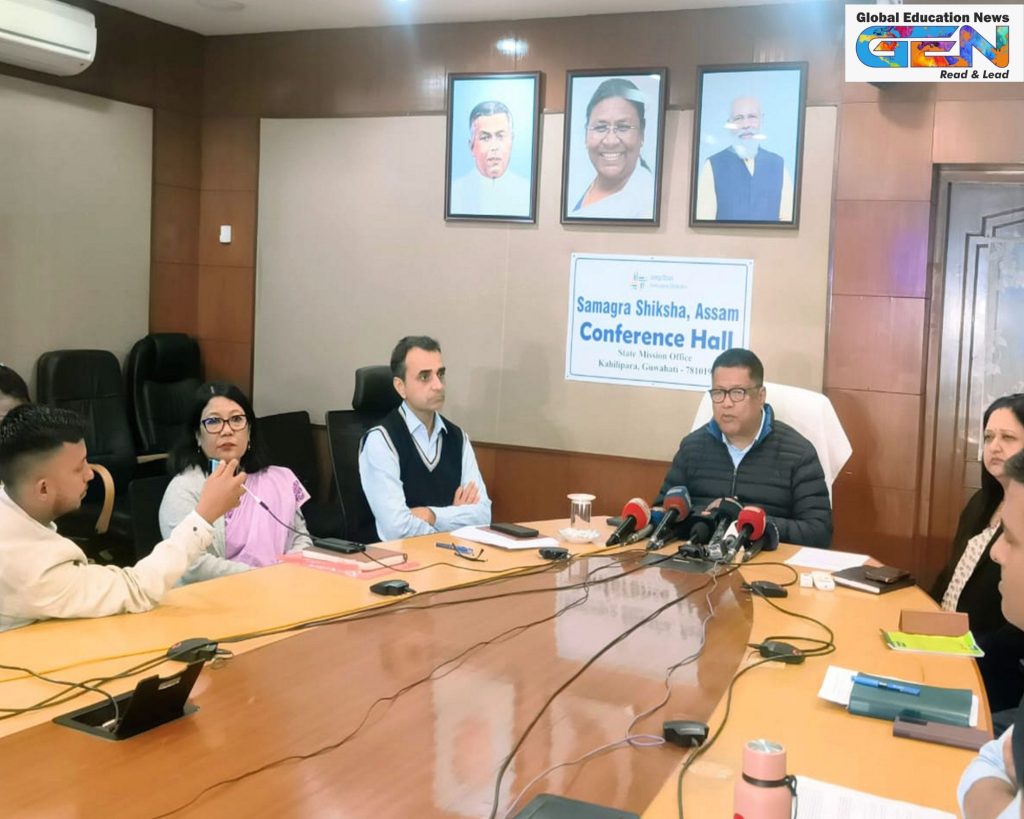
In a groundbreaking move, the Assam government has rolled out an automated SMS-based absenteeism alert system to combat persistent student absenteeism in state-run schools. Launched on December 15, 2025, by Education Minister Dr. Ranoj Pegu, this technology-driven initiative integrates seamlessly with the existing Shiksha Setu app, which already tracks daily attendance for millions of students and teachers.
With absenteeism rates hovering around 30% in many districts—often fueled by family pressures, economic hardships, and low parental awareness—this system promises timely interventions to keep children on track. By sending real-time alerts in local languages, Assam is setting a model for education technology in India, potentially reducing the state’s dropout rates, which affect thousands annually. As schools nationwide grapple with similar issues, this Northeast pioneer could inspire a wave of smart attendance solutions.
The SMS Alert System: A Simple Yet Powerful Tool
At its core, the system transforms passive attendance data into proactive engagement. It triggers notifications only after a student misses five consecutive school days, ensuring it’s targeted rather than overwhelming. This threshold strikes a balance: addressing chronic absences without micromanaging minor skips.
Key Features:
- Automated Triggers: Alerts fire every five days (on the 5th, 10th, 15th, etc.) until the student returns, creating a persistent nudge for resolution.
- Customized Messaging: Teachers receive detailed SMS with the student’s name, class, and section for quick follow-up calls. Parents get concise reminders like “Your child has been absent for X days—please ensure regular attendance.”
- Multilingual Reach: Delivered in five official languages—Assamese, Bengali, Bodo, Hindi, and English—with at least two tailored to each district’s demographics for maximum comprehension.
- Seamless Integration: Powered by the Shiksha Setu app’s robust database, covering over 48 lakh students and 2 lakh teachers across Assam’s government schools.
This isn’t just tech for tech’s sake; it’s a bridge between homes and classrooms, empowering parents who might otherwise miss the signs of their child’s disengagement.
How Shiksha Setu Powers the Revolution
The backbone of this initiative is Shiksha Setu Axom, an AI-driven app launched in 2023 that made digital attendance mandatory in Assam’s public schools. What started as a tool for real-time facial recognition and proxy-proof marking has evolved into a comprehensive education management platform.
Core Capabilities:
- Real-Time Tracking: Uses AI for accurate, tamper-free attendance of students and staff, eliminating ghost entries and enabling instant dashboards for principals.
- Beyond Attendance: Features include resource allocation alerts, punctuality reports, and even bicycle distribution schemes to boost rural access—directly tying into dropout prevention.
- Proven Gains: Since rollout, it has pushed average student attendance to a record 70.63% in mid-2025, up from lower baselines, by fostering accountability and data-driven decisions.
- User-Friendly Design: Available as a mobile app and web portal, it simplifies logging for teachers while providing parents with school updates, homework, and event notifications.
By layering SMS alerts on this foundation, Assam is amplifying Shiksha Setu’s impact, turning data into dialogue and potentially slashing absenteeism by 20-30% in the coming months.
Tackling the Roots of Absenteeism in Assam Schools
Student absenteeism isn’t just a numbers game—it’s a symptom of deeper challenges in Assam’s diverse landscape. From tea garden families juggling work and education to remote villages battling seasonal floods, absences often snowball into full dropouts, with rates as high as 10-15% in upper primary levels.
Common Culprits and Solutions:
- Family and Economic Pressures: Many children skip classes to help at home; the SMS system prompts early parental involvement, linking families to support like free meals or counseling.
- Awareness Gaps: Rural parents may not realize the long-term harm; multilingual alerts close this loop, echoing successful pilots where notifications boosted return rates by 40%.
- Infrastructure Hurdles: While Shiksha Setu addresses urban-rural divides with offline modes, the alerts extend reach to low-connectivity areas via basic SMS—no smartphone required.
This holistic approach aligns with national goals under the National Education Policy (NEP) 2020, emphasizing tech for equity and retention.
Expected Impact: Brighter Futures for Assam’s Youth
Early indicators are promising. Similar SMS interventions in other states have lifted attendance by 15-25% within a year, reducing dropouts and improving learning outcomes. In Assam, where over 1.5 crore students navigate multilingual classrooms, this could mean thousands more staying in school—fueling literacy rates already climbing past 80%.
Projected Benefits:
- Immediate Wins: Faster interventions could reintegrate 10-20% of chronic absentees, easing teacher workloads and class disruptions.
- Long-Term Ripple: Stronger attendance correlates with better exam scores and employability, breaking cycles of poverty in high-risk districts like Dibrugarh and Kamrup.
- Scalability Potential: With minimal costs (leveraging existing telecom infrastructure), it could expand to private schools or nationwide, inspiring edtech startups.
Challenges remain, like ensuring phone access in remote areas, but pilot feedback suggests high buy-in from parents and educators.