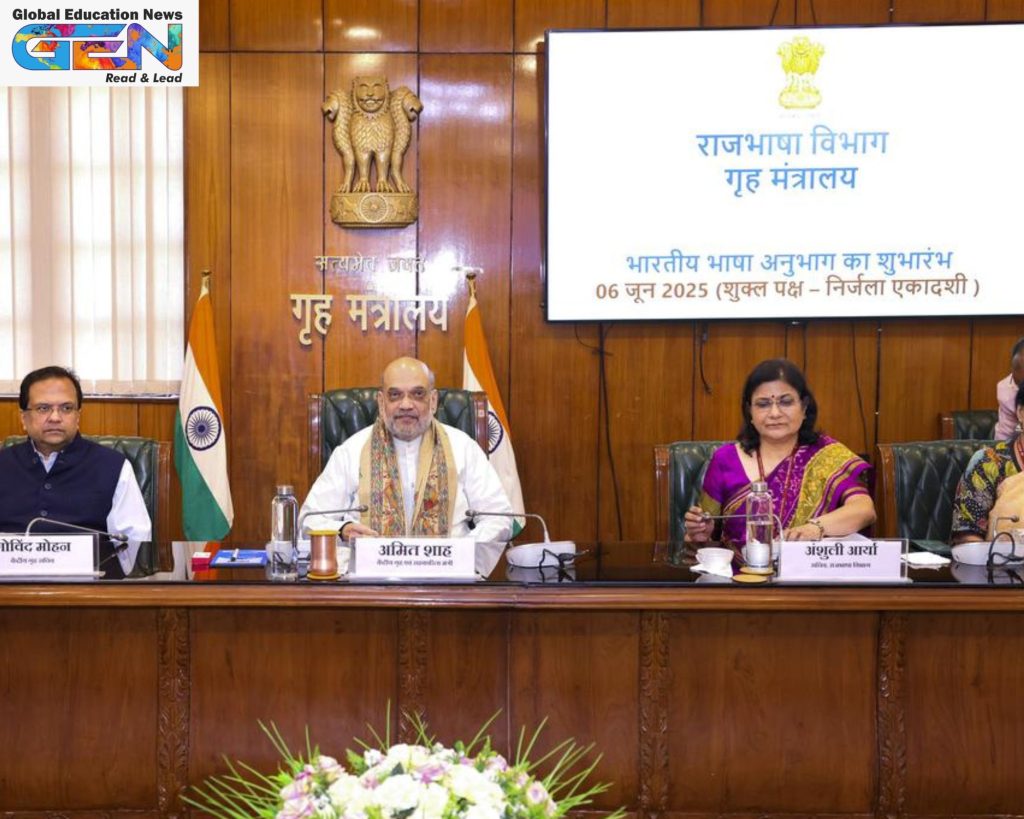
India’s rich tapestry of languages is getting a powerful boost! On June 6, 2025, Union Home Minister Amit Shah launched the Bharatiya Bhasha Anubhag (BBA), or Indian Languages Section, in New Delhi, a groundbreaking initiative under the Department of Official Language. This ₹56 crore project aims to free India’s administration from foreign language dominance, particularly English, and promote the use of Indian languages in official communication. By fostering linguistic inclusion and cultural pride, the BBA is set to transform how India governs, communicates, and celebrates its diverse heritage. Here’s why this move is a milestone for the nation’s linguistic federalism!
Bharatiya Bhasha Anubhag: A New Era for Indian Languages
The Bharatiya Bhasha Anubhag is more than an administrative reform—it’s a cultural revolution. Launched to provide a unified platform for India’s 22 scheduled languages and beyond, the BBA seeks to reduce reliance on English in government correspondence, policymaking, and legal frameworks. Amit Shah called it a “milestone in freeing administration from foreign language influence,” emphasizing that India’s potential shines brightest when thinking, analyzing, and decision-making happen in mother tongues.
Key Points:
- Unified Platform: Supports all Indian languages for official use, from Hindi to Tamil.
- Cultural Anchor: Positions Indian languages as the “soul of the country’s culture.”
- Decolonisation Push: Part of the government’s broader effort to reduce English dominance.
- Complete Department: Strengthens the Department of Official Language as a robust entity.
Why Indian Languages Matter
India’s linguistic diversity—over 19,500 dialects and 22 scheduled languages—is a global marvel. Shah likened these languages to “rivers that form the Ganga of Indian culture,” stressing their interconnectedness. The BBA enables state officials to communicate with the Centre in their native languages, fostering linguistic parity and ensuring no language overshadows another. This move counters the historical imposition of English and aligns with India’s vision of cultural sovereignty by 2047.
Key Points:
- Linguistic Diversity: Celebrates India’s 22 scheduled languages and countless dialects.
- Equal Footing: Promotes parity among languages, avoiding dominance by any single one.
- Mother Tongue Power: Enhances decision-making by prioritizing native languages.
- Political Significance: Addresses the politicized terrain of language in Indian governance.
How the BBA Will Work
The Indian Languages Section is designed to make administration more accessible and inclusive. It will facilitate translation services, develop language technology, and train officials to use Indian languages effectively. With a budget of ₹56 crore, the BBA will create tools like dictionaries, glossaries, and AI-powered translation software to bridge linguistic gaps. This ensures that policies, laws, and communications are available in languages like Bengali, Telugu, or Assamese, not just English or Hindi.
Key Points:
- Translation Hub: Provides high-quality translations for official documents.
- Tech Innovation: Develops AI tools and language software for seamless communication.
- Training Programs: Equips officials to use Indian languages in governance.
- Accessibility: Makes legal and policy frameworks available in regional languages.
Balancing Hindi, English, and Regional Languages
The BBA’s launch comes amid debates over language use in governance. Recent laws like the Bharatiya Nyaya Sanhita (named in Sanskritised Hindi) have sparked concerns about linguistic barriers. The BBA aims to strike a balance by promoting Hindi and regional languages while ensuring English remains a link language for accessibility. Shah’s vision is not about replacing one language with another but creating a system where “every Indian feels valued” regardless of their mother tongue.
Key Points:
- Inclusive Framework: Balances Hindi, English, and regional languages in administration.
- Avoiding Barriers: Addresses concerns over Sanskritised Hindi in legal naming.
- English as Link: Retains English for nationwide communication without dominance.
- Constitutional Spirit: Aligns with India’s vision of inclusive governance.
Challenges and the Road Ahead
While the BBA is a bold step, challenges remain. Language is a deeply politicized issue in India, with tensions over Hindi imposition or English elitism. Ensuring functional linguistic federalism—where all languages are equally supported—will require careful implementation. Critics argue that without English equivalents for major initiatives, non-Hindi speakers may face exclusion. The BBA must also address the digital divide to ensure rural areas benefit from language technology.
Key Points:
- Political Sensitivity: Language debates require delicate handling to avoid regional tensions.
- Digital Access: Rural areas need infrastructure to leverage language tools.
- Equitable Support: All languages must receive equal resources and attention.
- Public Awareness: Educating citizens about the BBA’s benefits is crucial.
Tips for Engaging with the BBA Initiative
Want to support or benefit from this linguistic revolution? Here’s how individuals and organizations can get involved:
- Learn Your Rights: Understand how to access government services in your native language.
- Use Language Tools: Explore BBA’s upcoming translation apps and dictionaries.
- Advocate Locally: Encourage state governments to adopt Indian languages in official work.
- Provide Feedback: Share suggestions with the Department of Official Language via their portal.
Key Points:
- Citizen Empowerment: Use BBA tools to engage with governance in your language.
- Community Advocacy: Promote linguistic diversity in schools and workplaces.
- Tech Adoption: Embrace AI translation for personal and professional use.
- Stay Informed: Follow updates on the BBA’s progress via official channels.
A Linguistic Leap Toward India’s Future
The launch of the Bharatiya Bhasha Anubhag is a historic step toward embracing India’s linguistic soul. By empowering Indian languages in administration, Amit Shah’s initiative is not just about governance—it’s about reclaiming cultural identity and fostering unity in diversity. As India marches toward its centenary of independence in 2047, the BBA sets the stage for a nation where every language thrives, and every citizen’s voice is heard. Join the movement to celebrate India’s linguistic heritage and build a truly inclusive future!