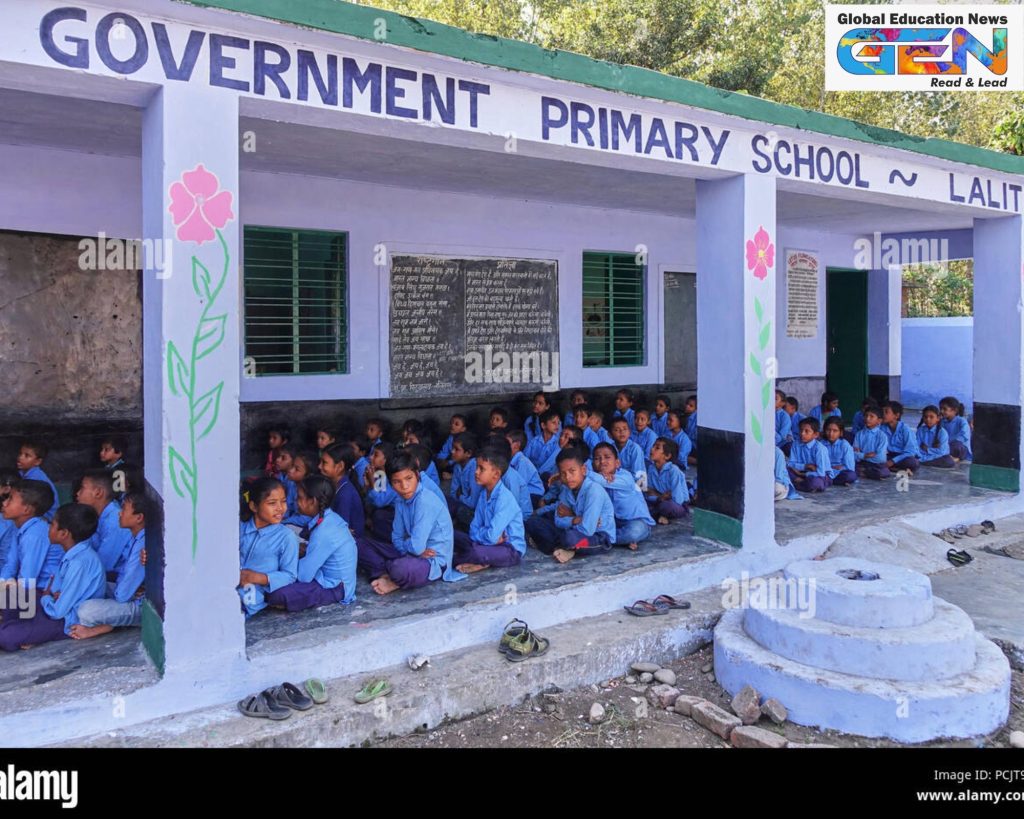
A sharp decline in government school enrolment across 23 Indian states and Union Territories has raised red flags, prompting the Ministry of Education (MoE) to demand urgent explanations from state authorities. The drop, particularly noticeable in Classes 1 to 8, signals a growing crisis in the Indian education system, with eight states reporting declines exceeding one lakh students in the 2024-25 academic year. This trend threatens the foundation of accessible education guaranteed by the Constitution.
Why it matters: Government schools serve as the backbone of education for millions, especially in rural areas. A decline in enrolment could widen educational disparities and impact India’s long-term development goals.
Scale of the Decline
- Uttar Pradesh leads with a staggering drop of 21.82 lakh students in 2024-25.
- Eight states, including Bihar, Madhya Pradesh, and West Bengal, report declines over one lakh.
- Primary (Classes 1-5) and upper-primary (Classes 6-8) levels hit hardest.
- Only a few states, like Delhi, show marginal increases in enrolment.
The data paints a grim picture, with Uttar Pradesh alone witnessing a massive exodus from government schools, raising questions about the state’s education policies and infrastructure. The MoE has directed states to submit detailed reports by June 30, 2025, to identify the root causes of this trend.
Possible Reasons for the Decline
- Preference for Private Schools: Parents increasingly opt for private schools, perceiving better quality education and facilities.
- Infrastructure Gaps: Dilapidated buildings, lack of toilets, and inadequate teaching resources deter enrolment.
- Teacher Shortages: Vacant teaching posts and irregular training impact learning outcomes.
- Economic Factors: Rising costs push families to prioritize private education despite financial strain.
- Migration Patterns: Rural-to-urban migration reduces enrolment in village schools.
Parents, even those with limited means, are losing faith in public education, as highlighted by sentiments on social media. This shift is particularly evident in rural areas, where government schools are often the only affordable option.
Shocking Stat: In 2023-24, India had over 14.89 lakh government schools, yet many struggle with basic amenities like functional toilets (only 82% compliance) and drinking water (88% coverage).
MoE’s Response and Expectations
- MoE has issued notices to 23 states and UTs to investigate the enrolment drop.
- States must submit comprehensive reports by June 30, 2025, detailing causes and corrective measures.
- Focus on improving infrastructure, teacher recruitment, and community outreach programs.
- Alignment with National Education Policy (NEP) 2020 to enhance learning outcomes.
The MoE’s proactive stance underscores the urgency of addressing this crisis. States are expected to analyze local factors, such as teacher absenteeism or lack of digital learning tools, and propose actionable solutions. However, critics argue that the NEP 2020’s implementation remains sluggish, with little evidence of its impact four years after its introduction.
Impact on Rural Education
- Rural areas face steeper declines due to limited access to private alternatives.
- Girls’ enrolment particularly affected, risking setbacks in gender parity goals.
- Reduced enrolment strains school budgets, leading to potential closures or mergers.
- Long-term risk of increased dropout rates and child labor in underserved regions.
Rural government schools, critical for marginalized communities, are at a crossroads. The decline in enrolment could exacerbate educational inequities, especially for girls, who face additional barriers like early marriage or household responsibilities. The ripple effects may also strain local economies, as uneducated youth struggle in a competitive job market.
Steps Toward Solutions
- Infrastructure Upgrades: Invest in modern classrooms, sanitation, and digital tools.
- Teacher Training: Regular professional development and filling vacant posts.
- Community Engagement: Awareness campaigns to restore trust in public schools.
- Incentives: Scholarships, free uniforms, and mid-day meals to boost attendance.
- Policy Reforms: Accelerate NEP 2020 initiatives like vocational training and multilingual education.
Reversing the trend requires a multi-pronged approach. Successful models, like Delhi’s government school transformation with smart classrooms and improved facilities, could inspire other states. Strengthening mid-day meal schemes and providing digital access can also make public schools more appealing.Stay Updated on Education Reforms
Voices from the Ground
- Parents cite poor teaching quality and outdated curricula as reasons for switching to private schools.
- Teachers report low morale due to administrative neglect and lack of resources.
- Students in rural areas often walk miles to understaffed schools with crumbling infrastructure.
Social media discussions reveal deep frustration with the state of public education. Parents, desperate for better opportunities, are stretching their budgets to afford private schools, reflecting a broader crisis of confidence in the system.
The Bigger Picture
The decline in government school enrolment is a wake-up call for India’s education sector. With the country’s graduate employability rate stagnating at 42.6% in 2025, the education system’s inability to deliver quality learning is already impacting the workforce. If left unaddressed, this trend could undermine India’s demographic dividend, as millions of children miss out on foundational education critical for future success.
The MoE’s call for answers is a step forward, but swift, coordinated action is needed. By addressing infrastructure deficits, enhancing teacher support, and rebuilding parental trust, India can revitalize its government schools and ensure education remains a right, not a privilege