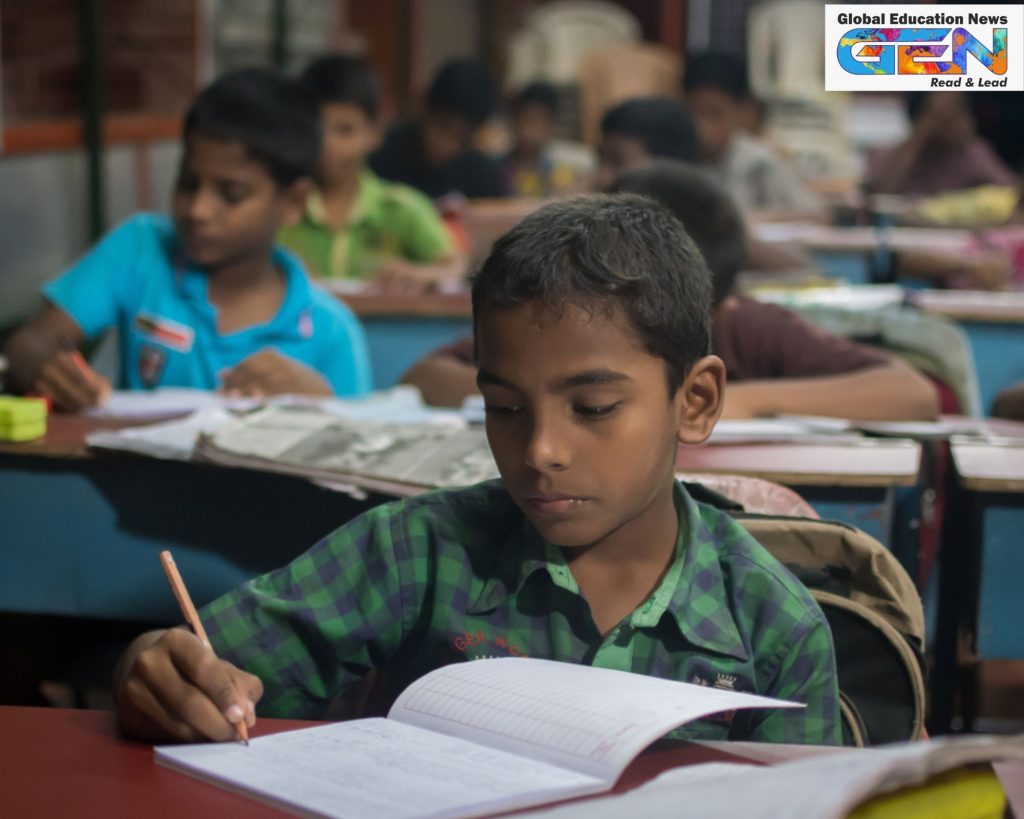
The Supreme Court of India has taken a monumental step towards ensuring educational equity for orphaned children. By directing all states to conduct a comprehensive survey under the Right of Children to Free and Compulsory Education Act, 2009, the court is addressing a critical gap in the system. This initiative not only seeks to identify orphans denied their right to education but also aims to integrate them into mainstream schooling, offering hope to millions of vulnerable children.
Key Points:
- Supreme Court mandates a nationwide survey to identify orphaned children denied education.
- Justices B V Nagarathna and K V Viswanathan lead the charge for educational inclusivity.
- States must submit detailed affidavits within four weeks to report progress.
Bridging the Educational Divide
The court’s directive emphasizes immediate action to enroll deserving orphaned children in neighborhood schools. By focusing on both data collection and simultaneous admissions, the judiciary ensures that no child is left waiting. This proactive approach underscores the urgency of providing free and compulsory education to orphans, a group often overlooked in policy frameworks.
Key Points:
- States to survey both admitted and denied orphaned children under the RTE Act.
- Emphasis on enrolling orphans in local schools to ensure immediate access.
- Gujarat, Delhi, Meghalaya, and Sikkim lead by including orphans in the 25% quota for weaker sections.
The 25% Quota: A Gateway to Inclusion
Several states, including Gujarat, Delhi, Meghalaya, and Sikkim, have already set a precedent by including orphaned children in the 25% quota reserved for disadvantaged groups under Section 12(1)(c) of the RTE Act. This provision mandates private schools to reserve a quarter of their seats for children from economically weaker sections, and the court has urged other states to follow this model to ensure broader access.
Key Points:
- The 25% quota under the RTE Act now includes orphaned children in select states.
- Supreme Court encourages all states to issue similar notifications for inclusivity.
- Section 12(1)(c) ensures schools bear responsibility for free education.
A Vision for the 2027 Census
In a forward-thinking move, the Supreme Court has proposed including data on orphaned children in the 2027 Census, scheduled for October 1, 2026, in snow-bound areas like Ladakh, and March 1, 2027, elsewhere. This step could provide the first official count of orphans in India, addressing a long-standing data gap and enabling targeted welfare policies.
Key Points:
- Court suggests adding an “orphan” category to the 2027 Census.
- Solicitor General Tushar Mehta affirms government’s responsibility towards orphans.
- Official data could drive policy changes for orphan welfare.
Addressing Systemic Shortcomings
The petitioner highlighted the lack of adequate schemes for orphans, who often miss out on opportunities like scholarships and reservations available to other marginalized groups. With estimates suggesting India has millions of orphans, the absence of official data and targeted policies has been a significant barrier. The court’s intervention, coupled with ongoing efforts by Juvenile Justice Committees, signals a shift towards systemic reform.
Key Points:
- Orphans lack specific provisions compared to SC/ST and OBC categories.
- UNICEF estimates millions of orphans in India, yet no official count exists.
- Juvenile Justice Committees and national consultations are driving positive change.
A Brighter Future for Orphans
The Supreme Court’s directive is a beacon of hope for orphaned children, promising not just education but a chance at empowerment. By ensuring access to schools and advocating for their inclusion in national data, the judiciary is paving the way for a more inclusive society. As states gear up to comply, the nation awaits transformative outcomes for its most vulnerable citizens.
Key Points:
- Education as a tool to break the cycle of poverty for orphans.
- Court’s directive aligns with broader goals of social equity.
- Next hearing scheduled for September 9 to review progress.