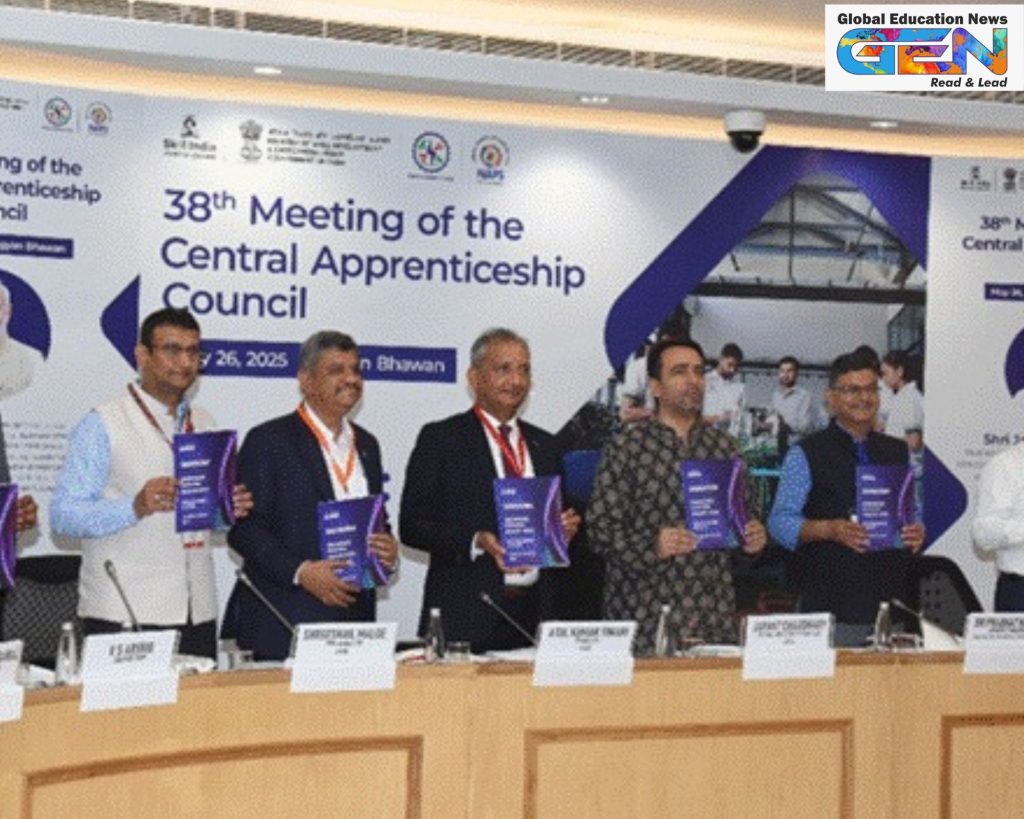
India’s youth are about to get a major boost as the Central Apprenticeship Council (CAC), led by Union Minister Jayant Chaudhary, has proposed a 36% stipend hike for apprentices under the National Apprenticeship Promotion Scheme (NAPS) and National Apprenticeship Training Scheme (NATS). Unveiled at the 38th CAC meeting in May 2025, this move aims to make apprenticeships a launchpad for careers, blending hands-on training with financial rewards. With reforms like inclusive policies, modern learning modes, and alignment with cutting-edge industries, India is redefining skilling for a global future. Here’s how this landmark decision is set to transform lives!
Powering Up Pay: 36% Stipend Surge
- New Stipend Bands: Stipends will jump from ₹5,000–₹9,000 to ₹6,800–₹12,300, making apprenticeships more lucrative.
- Smart Adjustments: Stipends will be tied to the Consumer Price Index, with updates every two years starting July.
- Location Matters: Proposed variations based on regional living costs ensure fairness for urban and rural apprentices.
This hefty pay bump is a game-changer, designed to keep apprentices hooked and attract fresh talent. As Minister Chaudhary put it, “Apprenticeships bridge education and employment, empowering our youth to thrive.” With over 43.47 lakh apprentices engaged, this hike could be the spark that ignites India’s skilling revolution.
Future-Ready Training: Tech and Flexibility Lead the Way
- Blended Learning: Employers can deliver training online, virtually, or in hybrid modes, sticking to approved curricula.
- New-Age Industries: Adoption of NIC Code 2008 opens apprenticeships to IT, biotech, telecom, and renewable energy sectors.
- Micro-Skills Focus: Short-term micro-apprenticeships target high-demand skills like AI and green tech.
By embracing flexible training and emerging industries, the CAC ensures apprentices are ready for the jobs of tomorrow. Whether it’s coding for tech giants or innovating in renewable energy, India’s youth will be at the forefront.
Inclusivity at the Core: Skilling for All
- Disability Inclusion: A new “Person with Benchmark Disability” definition reserves training spots, aligning with the RPwD Act.
- Empowering Women: With 20% female participation in NAPS, targeted efforts aim to close the gender gap further.
- Degree Integration: New “Degree Apprenticeship” programs blend academic learning with practical skills.
No one gets left behind in this skilling wave. From ensuring accessibility for persons with disabilities to boosting female participation, the CAC is making apprenticeships a pathway for every young Indian to shine.
Building a Robust Ecosystem: More Employers, Better Support
- Regional Outreach: New regional boards will streamline NATS and support Apprenticeship Embedded Degree Programmes.
- Employer Expansion: More businesses, especially MSMEs, will join the 51,000+ establishments already on board.
- Safety Net: Proposed insurance coverage for apprentices adds security during training.
With 5.23 lakh apprentices enrolled in NATS in FY 2024-25 alone, the CAC’s push to expand employer networks and add protections like insurance is creating a thriving skilling hub across India’s 36 states and Union Territories.
Bridging Education and Industry: A Smarter Approach
- Aligned Training: Simultaneous notifications for Craftsmen Training Scheme (CTS) courses and apprenticeships ensure synergy.
- Data-Driven Insights: The KPMG report on NAPS (2018–2025) guides reforms with trends and success metrics.
- Job Pathways: Quick registration on the National Career Service portal boosts apprentice-to-employee transitions.
By linking classroom learning with real-world experience, the CAC is ensuring apprentices don’t just train—they land careers. Industry giants like Tata, Reliance, and Maruti Suzuki are already shaping this transformation.
Overcoming Hurdles: A Vision for Success
- Reducing Dropouts: Higher stipends and insurance aim to keep apprentices committed to their programs.
- Regional Fairness: Location-based stipends address cost-of-living gaps, making skilling viable everywhere.
- Industry Buy-In: Expanding to new sectors ensures more opportunities in high-growth fields.
Challenges like dropout rates and regional disparities are real, but the CAC’s proactive reforms—backed by industry and government collaboration—are paving the way for a skilled, inclusive workforce.
India’s Skilling Leap: A Global Benchmark
The 36% stipend hike and forward-thinking reforms signal a new dawn for India’s youth. With millions already trained and industry leaders like BHEL, Indian Oil, and NSDC at the table, the CAC is building a future where every apprentice is job-ready. As India races toward a ‘Kushal Bharat, Viksit Bharat,’ this initiative is proof that skilling is the key to unlocking limitless opportunities. Get ready—India’s youth are set to conquer the global stage in 2025!