Published on October 11, 2025
Contents
Delhi, India
2025 Nobel Prize in Literature
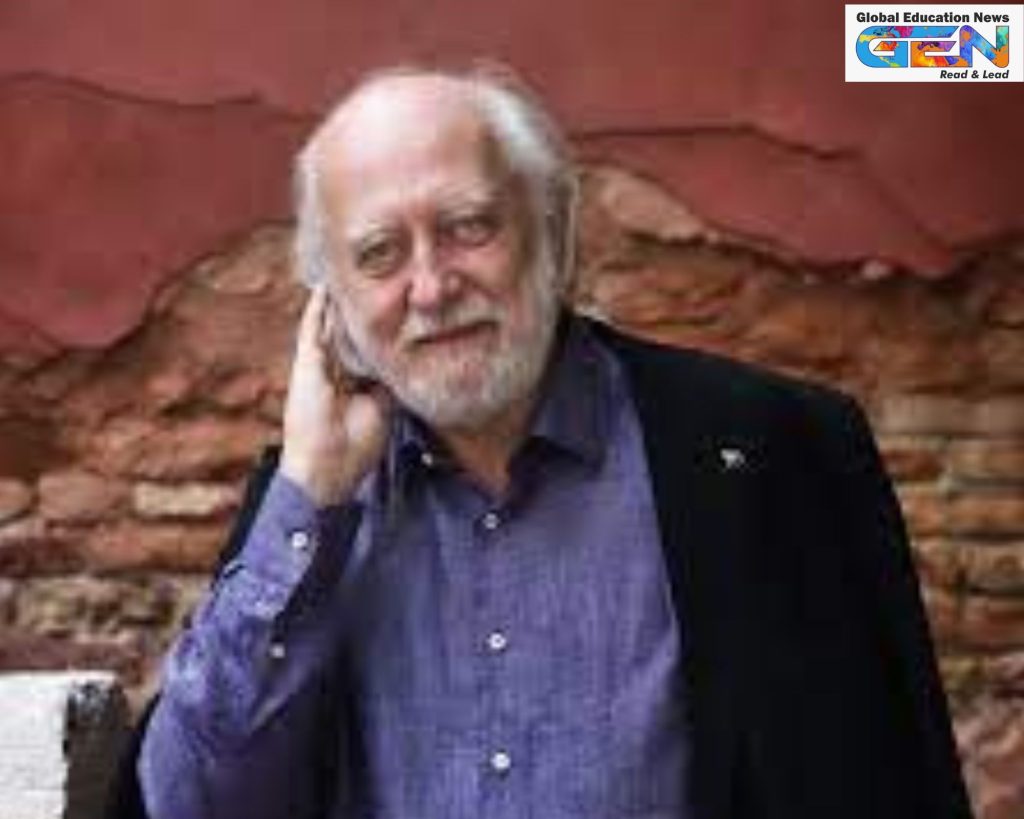
- The Royal Swedish Academy announced the 2025 Nobel Prize in Literature on October 9, 2025, awarding it to Hungarian novelist László Krasznahorkai for his profound contributions to world literature.
- This prestigious honor, part of Alfred Nobel’s legacy since 1901, recognizes exceptional prose that advances human understanding, with Krasznahorkai’s selection highlighting themes of chaos, despair, and creative resilience.
- The prize, valued at 11 million Swedish kronor (about ₹1.03 crore), underscores a growing spotlight on Eastern European voices in global narratives.
Key Announcement Details
- Official citation: “For his compelling and visionary oeuvre that, in the midst of apocalyptic terror, reaffirms the power of art.”
- Anders Olsson, Chairman of the Nobel Committee, praised Krasznahorkai’s long, labyrinthine sentences as a stylistic hallmark that mirrors the existential dread and beauty in his stories.
- Krasznahorkai becomes the second Hungarian laureate, following Imre Kertész’s 2002 win for Holocaust literature, marking a rare double for the nation.
Winner’s Background and Literary Journey
- Born in 1954 in Gyula, a small town in southeast Hungary near the Romanian border, Krasznahorkai rose to prominence with his debut novel in 1985 amid the waning years of communist rule.
- His early works captured the absurdities of post-totalitarian society, drawing from personal travels to China, Japan, and Europe, which infused his prose with global existentialism.
- Krasznahorkai reflected on his craft: “My life is a permanent correction,” citing “bitterness” as his greatest inspiration, a sentiment echoing his themes of human frailty.
- Prior accolades include the 2015 Man Booker International Prize for his body of work, cementing his status as a cult figure in international circles.
Notable Works and Stylistic Innovations
- Sátántangó (1985): Debut novel about a decaying rural community, adapted into a legendary 7-hour film by Béla Tarr; a cornerstone of modern Hungarian literature.
- The Melancholy of Resistance (1989): A surreal tale of social anarchy triggered by a massive whale carcass, blending grotesque horror with political allegory.
- War with the Newts (1999, as War & War): Features a single 400-page sentence chronicling an archivist’s obsessive quest, showcasing Krasznahorkai’s signature marathon prose.
- Seiobo There Below (2008): A Fibonacci-structured collection exploring art and beauty across cultures, inspired by Japanese myths and global travels.
- Recent: Herscht 07769 (2021): A chaotic portrait of German social unrest framed by Bach’s legacy, hailed as a contemporary masterpiece.
- Screenplays for Tarr films like Werckmeister Harmonies (2000) extend his influence into cinema, blending literature and visual apocalypse.
Reasons for the Award and Critical Acclaim
- The Academy lauds his ability to weave “apocalyptic terror” with art’s redemptive force, challenging readers to face chaos through innovative, boundary-pushing narratives.
- American critic Susan Sontag dubbed him the “master of the apocalypse” for his feverish depictions of societal collapse and human endurance.
- His grotesque absurdism, rooted in Central European traditions, elevates everyday despair into profound philosophical inquiry, resonating in an era of global uncertainties.
Historical Context of the Nobel Prize
- Established by Alfred Nobel’s 1895 will, the Literature Prize rewards works benefiting humankind; 2025 follows announcements in sciences, with Peace and Economics later in October.
- Past Hungarian link: Imre Kertész’s 2002 win amplified voices from behind the Iron Curtain; Krasznahorkai’s selection revives this legacy amid renewed interest in dissident literatures.
- Ceremony on December 10 in Stockholm honors Nobel’s death anniversary, with laureates delivering lectures on their craft.
Impact on Hungarian and Global Literature
- Elevates Hungarian prose internationally, spotlighting post-communist themes of isolation and renewal in a politically turbulent Europe.
- Influences from Kafka, Bernhard, Dostoyevsky, and Beckett position him as a bridge between modernist absurdity and contemporary pessimism, inspiring a new wave of experimental writers.
- Boosts translations of his dense, demanding texts, potentially increasing readership for underrepresented Central European voices.