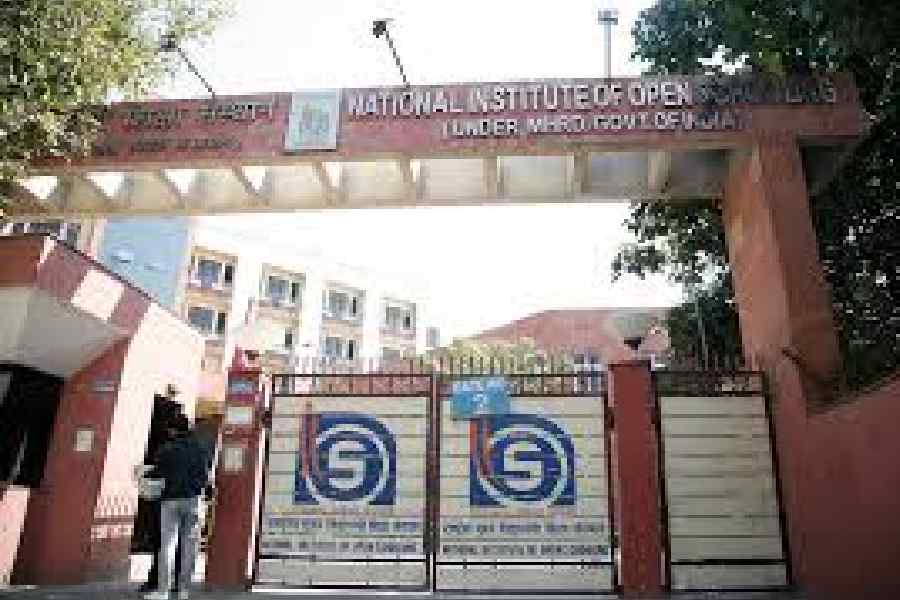
As India’s open schooling landscape expands under the National Institute of Open Schooling (NIOS), a shadowy undercurrent of cyber fraud threatens its integrity. On November 25, 2025, NIOS issued a stark public advisory highlighting a dramatic rise in counterfeit websites, mobile applications, and social media accounts impersonating the institute. These malicious entities replicate official designs to dupe users into sharing sensitive information, underscoring vulnerabilities in digital education access. With NIOS serving over 4 million learners annually, this scam wave could erode trust and expose vulnerable students to identity theft or financial scams.
Key Points:
- Core Issue: Fraudsters mimic nios.ac.in to spread misinformation on admissions, exams, and results, luring users with promises of quick services.
- Target Audience: Primarily affects secondary and senior secondary students, parents, and regional center affiliates seeking affordable, flexible learning.
- Urgency Driver: Surge aligns with peak enrollment seasons, amplifying risks in a post-pandemic era of heightened online reliance.
The Rising Threat: Unmasking the Scale of Fake Platforms
The advisory reveals an alarming ecosystem of deception, with fraudsters deploying a multi-channel assault to infiltrate learners’ digital spaces. From cloned websites to rogue social handles, these platforms harvest personal data under false pretenses, potentially leading to phishing attacks or unauthorized transactions.
Key Points:
- Website Proliferation: 71 fraudulent sites falsely claim NIOS affiliation, often using near-identical logos and layouts to confuse users.
- Social Media Onslaught: Includes 34 fake YouTube channels peddling bogus tutorials, 7 Telegram groups for “exclusive” updates, 14 unauthorized WhatsApp numbers, and 7 Instagram accounts promoting scams.
- App Deceptions: 8 Android applications masquerade as official NIOS tools, tricking downloads and data extraction.
- Modus Operandi: Scammers disseminate erroneous exam schedules or admission hacks, then solicit fees or credentials, exploiting the institute’s reputation for accessible education.
NIOS’s Swift Response: From Detection to Deterrence
Recognizing the breach early, NIOS has mobilized a comprehensive counter-strategy, prioritizing transparency and user empowerment. The institute’s notification serves as both a warning and a resource, cataloging known fakes while reinforcing its commitment to secure, official channels.
Key Points:
- Public Notification: A dedicated alert on nios.ac.in lists all identified impostors, urging immediate avoidance and vigilance.
- Official Stance: NIOS clarifies it operates no unofficial pages, apps, or social entities beyond verified links on its portal; all communications stem from authorized sources.
- Proactive Measures: Ongoing monitoring and collaboration with cyber authorities to dismantle networks, with plans for enhanced digital literacy modules in learner orientations.
- Quote Spotlight: While specifics vary, the advisory echoes NIOS’s ethos: “Protect your journey—trust only the source that started it.”
How to Verify Legitimacy: Essential Checks for Safe Navigation
Empowering users is at the heart of NIOS’s advisory, offering straightforward protocols to distinguish genuine resources from clever copies. In an era where deepfakes blur lines, these steps act as a digital shield for open schooling participants.
Key Points:
- Primary Hub: Exclusively use nios.ac.in for admissions, exam notifications, results, and services—bookmark and access directly to bypass redirects.
- Red Flags: Suspicious URLs (e.g., nios-official.com instead of nios.ac.in), unsolicited payment requests, or unverified social promotions demanding personal info.
- Cross-Verification: Confirm announcements via official emails or regional centers; legitimate apps are only available through Google Play listings tied to NIOS.
- Tech Tips: Enable two-factor authentication on official accounts and use antivirus tools to scan downloads, reducing phishing vulnerabilities.
Reporting and Prevention: Building a Community Defense
NIOS isn’t leaving users to fend alone—robust reporting mechanisms ensure swift action against emerging threats, fostering a collective barrier against fraud in online education.
Key Points:
- Reporting Channel: Forward suspicious links, apps, or accounts to sap@nios.ac.in for immediate investigation and takedown.
- Encouragement to Act: “Spot it, report it—your alert protects thousands,” the advisory implores, highlighting community-sourced intel’s role in threat neutralization.
- Preventive Education: NIOS plans webinars and FAQs on cyber hygiene, integrating scam awareness into curriculum advisories for holistic learner safety.
- Legal Backing: Invokes IT Act provisions for cyber fraud, promising cooperation with law enforcement for prosecutions.
Broader Implications: Safeguarding the Future of Flexible Learning
This episode spotlights systemic risks in India’s burgeoning edtech space, where open schooling’s democratization via digital means invites exploitation. As NIOS scales under NEP 2020, such alerts could inspire nationwide protocols, blending tech innovation with ironclad security to sustain equitable access.
Key Points:
- Data Security Stakes: Potential for widespread breaches could deter enrollment in distance modes, impacting underserved rural and working learners.
- Policy Ripple: Calls for stricter app store vetting and AI-driven fraud detection in education platforms, aligning with Digital India goals.
- Positive Outlook: Reinforces NIOS’s resilience, with 99% of services remaining scam-free; projected to educate 5 million by 2030 if threats are contained.
- Global Echo: Mirrors international concerns, like UNESCO’s warnings on fake credentials, urging cross-border vigilance.