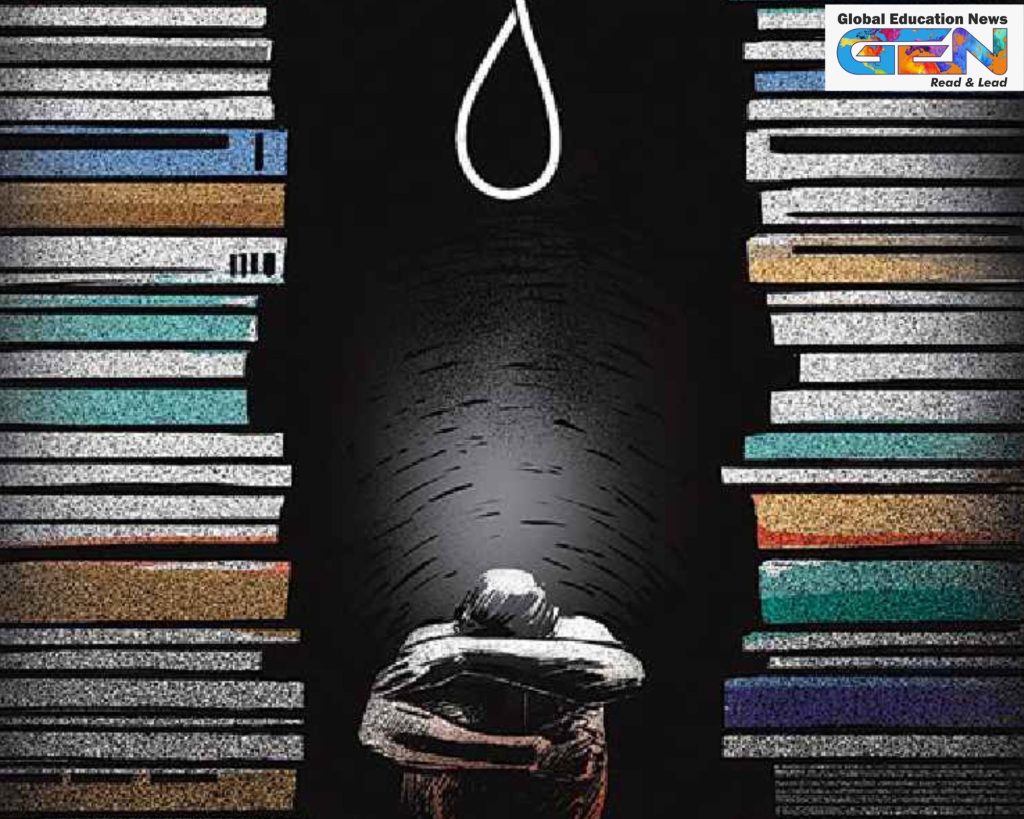
With student suicides on the rise—13,044 reported in 2022 by the National Crime Records Bureau—the Supreme Court took decisive action on July 25, 2025. Justices Vikram Nath and Sandeep Mehta issued 15 comprehensive guidelines to create a safer, more supportive environment for students across India. Prompted by the suspicious death of a 17-year-old NEET aspirant in Visakhapatnam, the court transferred the case to the CBI and mandated immediate measures to fill a legislative and regulatory vacuum in suicide prevention.
- Issued 15 pan-India guidelines on July 25, 2025, to combat student suicides (13,044 in 2022 per NCRB).
- Triggered by the unnatural death of a 17-year-old NEET aspirant in Visakhapatnam, now under CBI investigation.
- Addresses a legislative vacuum in mental health frameworks for educational institutions.
Key Guidelines for Institutions
Key Points:
- Mandatory mental health policies based on Ummeed, Manodarpan, and National Suicide Prevention Strategy.
- Institutions with 100+ students must appoint qualified counselors; smaller ones need referral linkages.
- Tamper-proof ceiling fans and restricted access to rooftops and balconies in residential institutions.
The Supreme Court’s 15 guidelines are a blueprint for change, binding until formal legislation is enacted. All educational institutions—schools, colleges, universities, and coaching centers—must adopt a uniform mental health policy, drawing from the Ministry of Education’s Ummeed (2023 suicide prevention guidelines), Manodarpan (COVID-era mental health initiative), and the National Suicide Prevention Strategy. These policies must be publicly accessible and updated annually. Institutions with 100 or more students must hire counselors or psychologists, while smaller ones must establish ties with external professionals. To prevent impulsive self-harm, residential facilities must install tamper-proof ceiling fans and secure high-risk areas.
Cracking Down on Coaching Centers
Key Points:
- Ban on batch segregation, public shaming, or unrealistic academic targets.
- Kota, Jaipur, Delhi, and other coaching hubs to implement heightened protections.
- States to notify registration and grievance mechanisms for coaching centers within two months.
Coaching hubs like Kota, Jaipur, Chennai, Hyderabad, Delhi, and Mumbai face strict scrutiny. The court banned practices like segregating students by performance, public shaming, or setting unrealistic academic goals, which fuel stress and mental health issues. All coaching centers must establish confidential grievance mechanisms to address complaints without fear of retaliation. States and Union Territories have two months to enforce registration norms and student protection rules, ensuring accountability in these high-pressure environments.
Zero Tolerance for Harassment and Bullying
Key Points:
- Robust systems for reporting sexual assault, ragging, bullying, or discrimination based on caste, gender, or disability.
- Zero tolerance for retaliation against complainants or whistleblowers.
- Institutional culpability for neglect leading to self-harm or suicide.
The court mandated accessible, confidential systems to report sexual assault, harassment, ragging, or bullying based on caste, class, gender, sexual orientation, disability, religion, or ethnicity. Institutions must ensure immediate referral to mental health professionals and prioritize student safety. Failure to act promptly, especially if it contributes to self-harm or suicide, will result in regulatory and legal consequences, holding administrations accountable for negligence.
CBI Probe and National Task Force
Key Points:
- CBI to investigate Visakhapatnam NEET aspirant’s death under jurisdictional superintendent.
- National Task Force on student mental health to work in parallel with guidelines.
- Centre to file compliance affidavit by October 27, 2025.
The ruling stemmed from an appeal against the Andhra Pradesh High Court’s refusal to transfer the investigation of a 17-year-old NEET aspirant’s death to the CBI. The Supreme Court ordered an immediate CBI probe, emphasizing accountability. Additionally, a National Task Force on student mental health, formed in a separate case, will complement these guidelines, creating a dual framework to address the crisis. The Centre must submit a compliance affidavit by October 27, 2025, detailing implementation and monitoring systems.
Aligning with National Initiatives
Key Points:
- Builds on Ummeed (2023) for school suicide prevention and Manodarpan for pandemic-era support.
- Supports NEP 2020’s focus on holistic student development.
- Complements 54% of HEIs partnering with mental health institutions like NIMHANS (per QS I-GAUGE report).
The guidelines align with existing efforts like Ummeed, which promotes understanding and empowerment to prevent suicides, and Manodarpan, which supported students during COVID-19. They also reinforce NEP 2020’s emphasis on holistic education, as seen in Delhi’s NEEEV initiative and IGNOU’s digital learning under Prof Uma Kanjilal. The QS I-GAUGE report notes that 54% of higher education institutions already have MoUs with mental health bodies like NIMHANS, providing a foundation for compliance.
Public Sentiment and Challenges
Key Points:
- X posts praise guidelines but highlight implementation gaps in rural areas.
- Calls for teacher training and funding to support counseling infrastructure.
- Concerns over coaching center compliance in hubs like Kota.
The X platform reflects strong support for the guidelines, with users lauding the focus on student well-being. However, concerns persist about implementation in rural schools, where access to counselors is limited. Users urge increased funding (beyond the current ₹900 crore for Delhi’s smart classrooms) and teacher training to sustain these measures. Kota’s coaching centers, notorious for student stress, face pressure to comply, with some X posts calling for stricter oversight to prevent loopholes.
A Lifeline for India’s Students
Key Points:
- Addresses 13,044 student suicides (2022) with enforceable measures.
- Sets a precedent for mental health legislation in education.
- Aligns with Viksit Bharat 2047 for a healthier, empowered youth.
The Supreme Court’s 15 guidelines, issued on July 25, 2025, are a lifeline for India’s students, tackling a mental health crisis that claimed 13,044 lives in 2022. By mandating counseling, safe environments, and anti-bullying measures, the court is paving the way for a safer, more inclusive education system. These interim guidelines, paired with the National Task Force, align with Viksit Bharat 2047’s vision for a resilient youth. As India acts to save lives, this ruling marks a turning point for student well-being and institutional accountability.