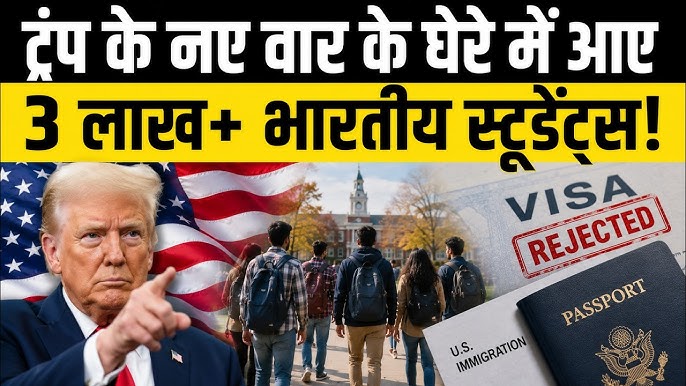
The United States has introduced sweeping changes to its F-1 student visa framework, marking one of the most significant reforms in years. The updated rules are expected to impact thousands of Indian students pursuing undergraduate, postgraduate, and research programmes in the US.
Education experts believe the revised policy places greater emphasis on timely academic planning, immigration compliance, and proactive visa management. While the changes do not reduce opportunities for genuine students, they require applicants to be more organised throughout their academic journey.
What Has Changed in the New F-1 Visa Rule?
Under the revised policy, international students will no longer automatically remain in the US under the long-standing “Duration of Status (D/S)” system.
Instead, most F-1 visa holders will receive a fixed period of authorized stay, generally up to four years, depending on their programme and individual circumstances. Students needing additional time must apply for an extension through the US Citizenship and Immigration Services (USCIS) before their authorized stay expires.
Key Changes Every Indian Student Should Know
1. Fixed Duration of Stay
Previously, students could remain in the US as long as they maintained valid student status and continued their studies.
The new framework introduces a time-bound stay, requiring students to:
- Monitor visa timelines carefully
- Apply for extensions when necessary
- Ensure uninterrupted legal status throughout their studies
This makes long-term academic planning more important than ever.
2. Shorter Grace Period After Graduation
Another major change is the reduction in the post-study grace period.
Students will now have 30 days instead of 60 days after completing their academic programme to:
- Leave the United States
- Begin another eligible academic programme
- Transition to another lawful immigration status, if eligible
Experts say graduates should begin planning well before completing their courses to avoid last-minute complications.
3. Stricter Rules for Extensions
Students whose programmes extend beyond their authorized stay must obtain formal approval from USCIS.
This means students should:
- Stay in regular contact with their university’s international student office
- Maintain accurate academic records
- Submit extension requests well before deadlines
- Avoid lapses in legal status
Missing deadlines could affect future immigration or employment opportunities.
4. Greater Importance of Academic Compliance
The revised regulations reinforce the need for students to maintain:
- Full-time enrollment
- Satisfactory academic progress
- Updated immigration documents
- Compliance with university reporting requirements
Failure to meet these obligations may affect visa status.
What Do These Changes Mean for Indian Students?
India remains one of the largest sources of international students in the United States, with hundreds of thousands enrolled across American universities.
Experts believe the new rules do not reduce access to US education but make careful planning essential.
Students should now focus on:
- Choosing programmes with realistic completion timelines
- Understanding visa conditions before departure
- Keeping immigration documents updated
- Seeking guidance from university international offices
- Planning internships and post-study options early
Those who remain compliant with immigration rules are expected to continue accessing educational opportunities without major disruptions.
How Universities Are Responding
Many US universities have begun advising international students to review their immigration timelines and stay informed about the revised regulations.
Institutions are expected to:
- Conduct information sessions
- Provide updated visa guidance
- Assist with extension applications
- Offer immigration counseling through designated student offices
The goal is to help students transition smoothly under the new system.
Impact on Study Abroad Planning
Education consultants suggest that prospective applicants should now pay closer attention to:
- Course duration
- Academic calendars
- Internship schedules
- Visa validity
- Extension procedures
- Career planning after graduation
Students considering master’s degrees, doctoral programmes, or research-based courses may need to account for the possibility of requiring an extension if their programmes exceed the initial authorized stay.
Does This Affect OPT or Future Employment?
The revised rules primarily focus on the duration of stay and immigration procedures. Students interested in Optional Practical Training (OPT) or other lawful post-study pathways should continue to follow the eligibility requirements applicable to those programmes.
Experts recommend discussing post-study employment plans with university advisers early to ensure all immigration deadlines are met.
Expert Advice for Indian Students
Education and immigration experts recommend that students:
- Read all visa-related instructions carefully.
- Keep copies of immigration and academic documents.
- Maintain full-time student status.
- Stay in touch with university international student offices.
- Apply for extensions or status changes well before deadlines.
- Avoid making travel or employment decisions without understanding visa requirements.
Proper planning can help students navigate the new rules while continuing to benefit from US higher education opportunities.