Published on October 24 , 2025
Delhi, India
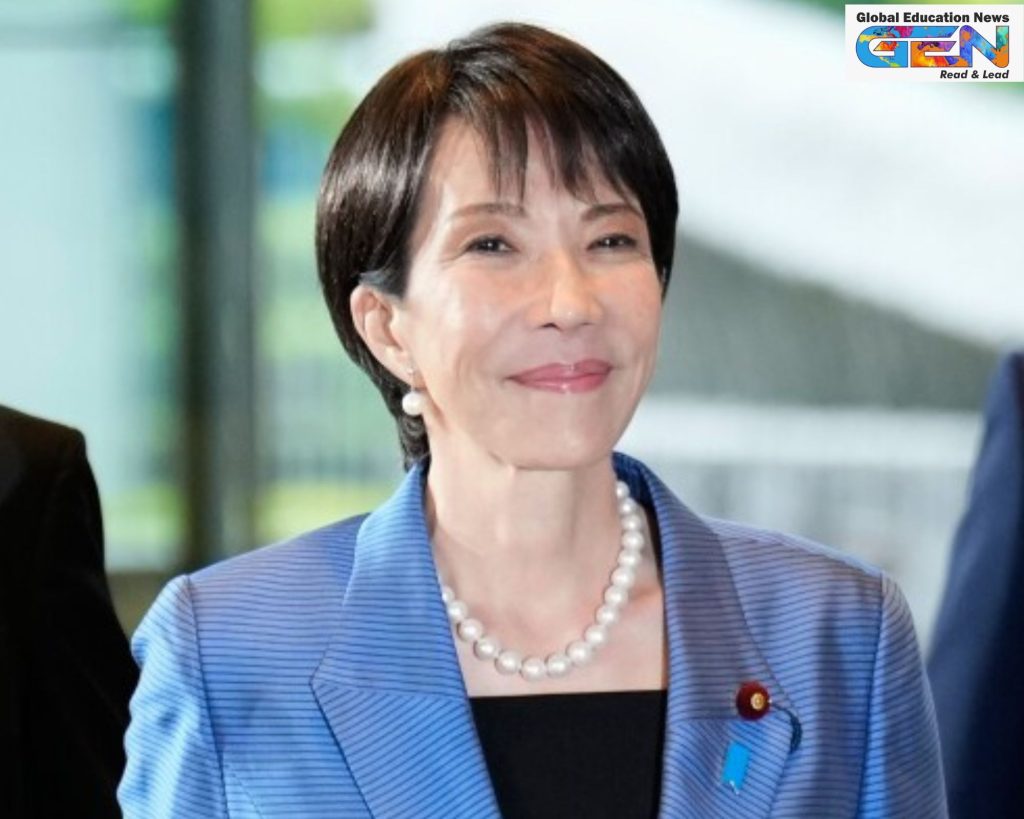
On October 21, 2025, Sanae Takaichi etched her name into history as Japan’s 104th Prime Minister and the nation’s first woman to hold the office, marking a seismic shift in a country where women comprise just 10-16% of parliamentarians and rank 118th globally in gender equality. An ultraconservative stalwart of the Liberal Democratic Party (LDP), Takaichi’s ascent follows the resignation of Shigeru Ishiba after the LDP’s July 2025 election setback, ending a three-month political limbo through a fragile coalition with the right-leaning Japan Innovation Party (JIP). Winning 237 votes in the Lower House—four more than a majority—she now leads a 19-member cabinet with only two women, sparking debates on symbolic versus substantive progress. Drawing inspiration from Margaret Thatcher, Takaichi pledges bold economic revival, heightened defense spending, and stricter immigration amid inflation and regional tensions. As she prepares for her first U.S. summit with President Donald Trump on October 28, her tenure could redefine Japan’s role in the Indo-Pacific.
Early Life and Education
- Birth and Family Roots: Born on March 7, 1961, in Yamatokoriyama, Nara Prefecture, to a middle-class family—her father in Toyota-affiliated automotive work and her mother in the Nara Prefectural Police—Takaichi grew up in rural western Japan, embodying Kansai region’s humor and humility.
- Academic Journey: She endured six-hour daily commutes to earn a business administration degree from Kobe University in the late 1970s, funding studies via part-time jobs; classmates recall her as “smiley and reserved,” sharing homemade meals on school trips.
- Pre-Political Ventures: Post-graduation, she worked as a legislative aide and broadcaster before a pivotal 1987 Matsushita Institute fellowship in the U.S., serving as a congressional fellow for Democratic Rep. Pat Schroeder, honing her media savvy and global outlook.
Personal Life and Unique Interests
- Marital and Family Dynamics: Married LDP peer Taku Yamamoto in 2004, adopting his three children from a previous union; they divorced in 2017 but remarried in 2021 amid Yamamoto’s 2025 cerebral infarction, which has kept him out of the spotlight.
- Health Advocacy: Takaichi has openly discussed infertility struggles and menopause, pushing for expanded social support for women’s health issues, including greater awareness and policy reforms.
- Eclectic Hobbies: A former “biker chick” and scuba diver, she drummed in a university heavy metal band and remains a genre devotee—contrasting her steely image and endearing her to non-political audiences as a relatable figure beyond Tokyo’s elite circles.
Political Career Milestones
Takaichi’s three-decade odyssey in the LDP’s conservative faction mirrors Shinzo Abe’s influence, blending nationalism with pragmatic governance.
| Milestone | Year | Key Details |
|---|---|---|
| Parliamentary Entry | 1993 | Elected to the House of Representatives from Nara’s 2nd District; quick rise as a vocal Abe protégé. |
| Cabinet Roles | 2014-2024 | Served as Internal Affairs Minister under Abe, then Economic Security Minister (2022-2024) under Fumio Kishida, championing supply-chain resilience. |
| LDP Leadership Bids | 2024 | Narrowly lost runoff to Ishiba after topping first round; positioned as Abenomics torchbearer. |
| 2025 Victory | September 2025 | Won LDP presidency in both rounds against Shinjiro Koizumi on September 18, securing coalition with JIP leader Hirofumi Yoshimura for parliamentary majority. |
| PM Confirmation | October 21, 2025 | Elected by Diet vote; sworn in by Emperor Naruhito, succeeding Ishiba’s one-year tenure. |
Her trajectory underscores resilience, from TV presenter roots to flag-bearer of traditionalist ideals in a male-dominated arena.
Rise to Prime Minister
- Contextual Catalyst: Ishiba’s July 2025 election drubbing eroded LDP dominance, prompting his September 18 resignation and a snap leadership race; Takaichi’s win signals a rightward pivot, blending hawkish security with stimulus economics to reclaim voter trust.
- Election Dynamics: Topping LDP polls with rank-and-file support, she outmaneuvered Koizumi; the LDP-JIP pact on October 20 ensured her slim majority, averting opposition Constitutional Democratic Party (CDP) leader Yoshihiko Noda’s upset.
- Symbolic Weight: As the first woman PM in modern Japan, her appointment celebrates “equality of opportunity” but draws scrutiny for limited female cabinet picks—Satsuki Katayama as Finance Minister and Kimi Onoda as Economic Security Minister—falling short of her Nordic-level pledges.
Key Policies and Priorities
Takaichi’s agenda fuses Abenomics revival with hardline conservatism, targeting inflation (at 2.5% in 2025) and demographic decline.
- Economic Stimulus: Pledges December stimulus package echoing loose monetary policy, fiscal spending, and structural reforms; suspends provisional gasoline tax; boosts subsidies for healthcare, nursing, and local governments.
- Defense and Security: Accelerates 2% GDP defense outlay (from planned 2027 to sooner); revises National Security Strategy, Defense Strategy, and Buildup Program in 2026 for assertive posture against China/Taiwan threats; relaxes arms export curbs.
- Immigration and Social Stance: Hardline on “illegal acts by foreigners” and cultural deviations, reviewing land buys by non-citizens; promotes birthrate surge via family incentives; opposes same-sex marriage and gender parity mandates.
- Global Alignment: Deeper U.S. ties for Indo-Pacific stability; supply-chain fortification in semiconductors; potential fiscal risks from stimulus amid ¥1.3 quadrillion debt.
In her October 24 policy speech, she vowed to “work boldly and tirelessly,” prioritizing inflation curbs and rule-of-law enforcement.
Controversies and Criticisms
- Gender Paradox: Despite historic role, her ultraconservative views—opposing LGBTQ+ rights and shrine visits to Yasukuni (honoring war criminals)—alienate feminists; feminist author Chizuko Ueno quipped it “doesn’t make me happy.”
- Nationalist Edge: Labeled “far-right” by outlets like Deutsche Welle, her revisionist history stance risks straining South Korea/China ties; coalition’s hawkishness amplifies immigration anxieties without xenophobia.
- Cabinet Choices: Appointing ex-glamour model Chisato Morishita as Environment Vice-Minister ignited debates on merit versus optics; only 15.7% female Lower House MPs limit diversity.
- Public Backlash: X reactions mix celebration of her Modi-Indo-Japan rapport with progressive ire over “anti-woke” rhetoric, including speech disruptions by globalists.
International Relations and Global Impact
- Indo-Pacific Focus: Echoing Abe’s Quad vision, she eyes stronger India ties—promptly thanking PM Modi’s congratulations—and U.S. alliance amid Trump talks; warns on China without direct confrontation.
- Regional Tensions: Hawkish on Taiwan/China; Chinese FM spokesperson Guo Jiakun critiqued Japan’s “exclusively defense-oriented” claims on October 24, citing budget hikes.
- Broader Ramifications: Optimism from markets on stimulus, but fiscal sustainability concerns; her Thatcher-esque decisiveness could inspire Asian women leaders, though equality skeptics urge watching substantive reforms.
- Early Diplomacy: Post-swearing-in by Emperor Naruhito, she hosted regional summits; X buzz highlights her valuing India-Japan “Special Strategic Partnership” for prosperity.