Published on October 24 , 2025
Delhi, India
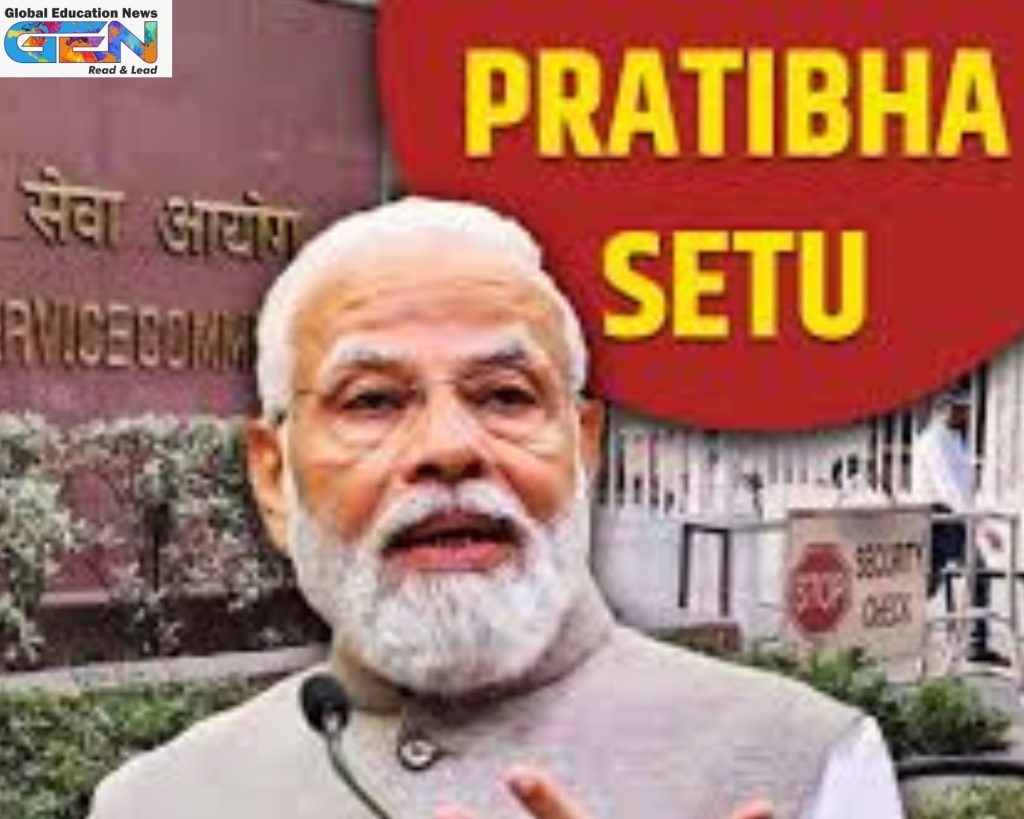
On October 24, 2025, coinciding with Diwali festivities, Prime Minister Narendra Modi virtually addressed the 17th Rozgar Mela, distributing over 51,000 appointment letters to young recruits across India and launching the Pratibha Setu Portal—a game-changing digital bridge for UPSC aspirants who clear rigorous stages but miss final selection. Emphasizing that “UPSC talent is not lost—it’s redirected to nation-building,” Modi highlighted how the portal connects these high-caliber candidates with opportunities in public and private sectors, ensuring their hard work fuels India’s development. This initiative, rebranded from the 2018 Public Disclosure Scheme (PDS), integrates with the National Career Service (NCS) and aligns with broader youth empowerment drives like the PM Viksit Bharat Rozgar Yojana, targeting 3.5 crore jobs. Amid over 11 lakh total Rozgar Mela appointments, Modi’s message resonated: “When youth succeed, the nation succeeds,” blending festive joy with a roadmap for inclusive growth.
Background on Pratibha Setu Portal
Launched formally during the Rozgar Mela, Pratibha Setu (Professional Resource And Talent Integration – Bridge for Hiring Aspirants) builds on UPSC’s PDS, which since August 2018 has disclosed biodata of non-recommended candidates willing to be contacted by employers. Announced by Modi in his August 31, 2025, Mann Ki Baat episode, the portal addresses the frustration of thousands who invest years in preparation only to fall short by a narrow margin.
- Core Purpose: To prevent talent wastage by linking UPSC finalists with verified recruiters from ministries, PSUs, autonomous bodies, and private firms, fostering a “second chance” ecosystem.
- Data Security: UPSC ensures protected, verified profiles, with candidates opting in for disclosure.
- Evolution from PDS: Originally for exams like Combined Medical Services (starting 2017), it now expands digitally for seamless access, already holding data on over 10,000 candidates.
- Broader Vision: Modi noted, “Their efforts will not go in vain, as both private and public institutions are now engaging with these talented individuals through the portal.”
This portal symbolizes a shift from rote government hiring to dynamic, multi-sector talent utilization.
Rozgar Mela Event Details
The 17th Rozgar Mela, held nationwide on Diwali, served as a vibrant platform for direct recruitment, with Modi distributing letters via videoconference from New Delhi.
| Event Aspect | Key Highlights |
|---|---|
| Scale | Over 51,000 appointment letters issued across 60+ locations; cumulative 11+ lakh via Rozgar Melas since inception. |
| Modi’s Address | Virtual speech linking jobs to Diwali’s “new light,” urging youth to drive Viksit Bharat; highlighted foreign policy shaped for young Indians’ benefit. |
| Key Launches | Pratibha Setu Portal unveiled; PM Viksit Bharat Rozgar Yojana announced for 3.5 crore youth jobs. |
| Participant Focus | Fresh graduates and skilled youth from diverse backgrounds, emphasizing transparent, merit-based hiring. |
The event amplified festive optimism, with Modi stating, “This year’s Diwali has brought new illumination into everyone’s lives—amidst the festival, receiving appointment letters adds a double dose of joy.”
Significance for UPSC Aspirants and Youth Talent
For UPSC aspirants—who endure grueling prelims, mains, and interviews—Pratibha Setu turns near-misses into breakthroughs. Of 52,910 candidates reaching interviews across recent exams, 33,950 were not selected, per Rajya Sabha data. The portal redirects their analytical, leadership, and domain expertise (e.g., from Civil Services, Engineering Services, or CDS) to roles in policy think tanks, corporate strategy, or PSUs.
- For Aspirants: Saves time/money on re-preparation; opens doors to private sector innovation, where UPSC-honed skills shine in consulting or governance advisory.
- For Employers: Access to pre-vetted talent pools, boosting diversity and efficiency.
- National Impact: Aligns with SDG 8 (decent work), countering youth unemployment (around 23% for ages 15-29) by showcasing “India’s youth potential to the world.”
X reactions echoed this, with users praising it as a “lifeline for UPSC warriors” and “Modi’s masterstroke for hidden gems.”
Covered UPSC Examinations and Exclusions
Pratibha Setu spans major UPSC exams, excluding defense entry and internal promotions.
| Included Examinations | Excluded Examinations |
|---|---|
| Civil Services Examination (CSE) | National Defence Academy & Naval Academy (NDA/NA) |
| Indian Forest Service (IFoS) | Limited Departmental Competitive Examinations (LDCEs), e.g., CBI(DSP), CISF AC(EXE) |
| Engineering Services Examination (ESE) | S.O./Steno (GE-B/GD-I) LDCE |
| Central Armed Police Forces (AC) | |
| Combined Geo-Scientist Examination | |
| Combined Defence Services (CDS) | |
| Indian Economic/Statistical Service (IES/ISS) | |
| Combined Medical Services Examination (CMSE) |
This selective coverage ensures focus on high-stakes, meritocratic processes.
Related Government Initiatives
Pratibha Setu integrates into a robust youth ecosystem:
- PM Viksit Bharat Rozgar Yojana: Newly launched to generate 3.5 crore jobs, emphasizing incentives for formal employment and skill-matching.
- Skill India Mission: Trains millions in vocational skills, complementing UPSC’s theoretical prowess with practical tools.
- National Career Service (NCS): Digital hub with 7+ crore vacancies; Pratibha Setu as a specialized module enhances its reach.
- Rozgar Melas: Ongoing series since 2022, fostering direct employer-candidate connections beyond bureaucracy.
These align with Modi’s vision: “Optimal utilisation of youth talent will showcase India’s youth potential to the world.”
Future Outlook
With Rozgar Melas continuing quarterly and Pratibha Setu expanding its databank, expect 2026 integrations with AI-driven job matching. The portal could inspire similar bridges for other exams like SSC or banking, potentially placing 50,000+ UPSC talents annually. Amid India’s 1.4 crore youth entering the workforce yearly, this could slash underemployment by channeling skills into startups and global firms. Modi envisions it as a “beacon of hope,” but success hinges on employer adoption and aspirant awareness campaigns.