Introduction: A Scandal Unfolds in Higher Education
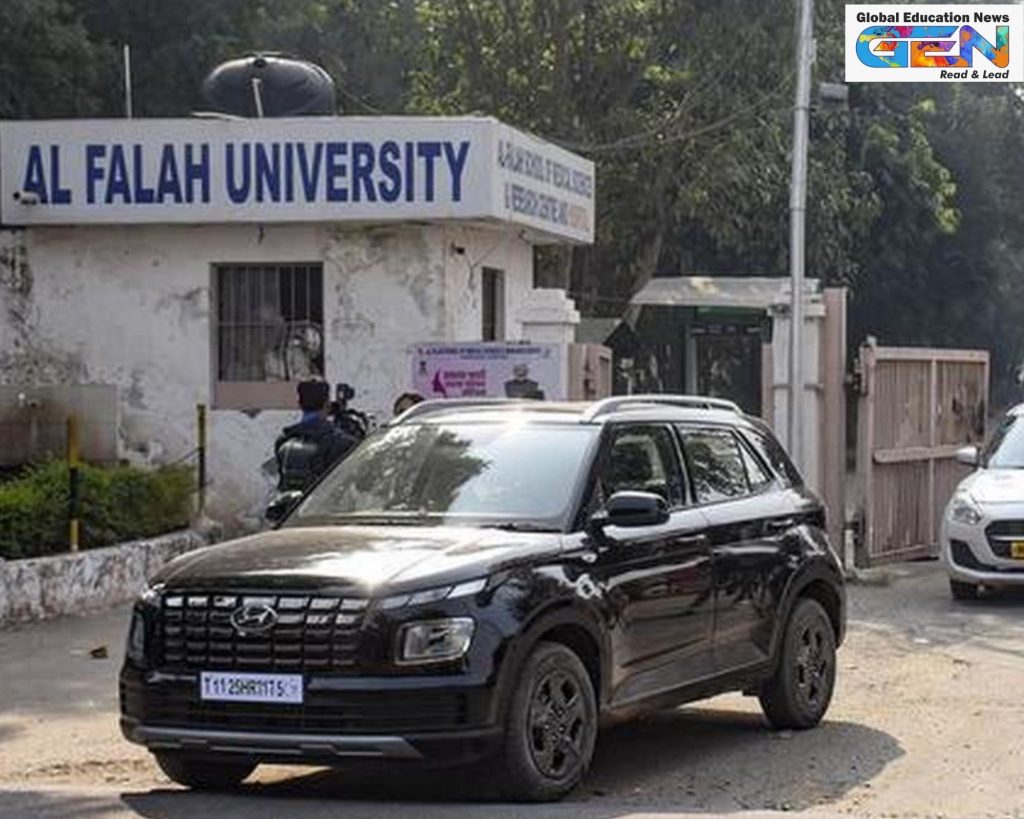
- Trigger Event: The controversy erupted during an NIA investigation into Delhi blasts, revealing terrorists allegedly hiding as doctors in Al-Falah University’s medical college in Faridabad, Haryana.
- Core Allegation: Despite its NAAC accreditation expiring in 2018, the university continued claiming an “A-grade” status on its website and materials, misleading stakeholders.
- Wider Context: This isn’t isolated—thousands of Indian institutions operate without valid NAAC accreditation, raising alarms about transparency and quality in higher education.
The exposure highlights deep-rooted issues in India’s accreditation system, where lapsed or false claims erode trust among students and parents. As per recent reports, only a fraction of universities and colleges maintain active NAAC grades, yet many flaunt outdated ones without consequence.
Controversy Details: From Terror Links to Accreditation Facade
- NIA Probe Connection: Post-Delhi blasts, NIA raids uncovered suspicious activities at Al-Falah’s medical college, including faculty posing as professionals; this scrutiny extended to the university’s credentials.
- False Claims Exposed: Al-Falah promoted its “A-grade” NAAC status years after validity ended, using it in brochures and online to attract admissions.
- Systemic Pattern: NAAC has flagged similar deceptive practices across institutions, but enforcement remains complaint-driven, allowing unchecked operations.
This case underscores how accreditation lapses intersect with national security concerns, amplifying calls for stricter oversight in private universities like Al-Falah, established under state acts but often evading federal scrutiny.
Evidence of Fakeness: Data Gaps and Discrepancies
- Accreditation Timeline: Al-Falah’s NAAC grade lapsed in 2018; no renewal applied, yet claims persisted, violating NAAC’s validity period rules.
- National Statistics: AISHE survey (up to July 8, 2023) lists 690 accredited universities out of 1,113 UGC-recognized ones, and 9,062 colleges out of 43,796—leaving over 70% unaccredited or outdated.
- Bribery Scandals: The 2025 NAAC bribery case saw CBI arrest 10 officials, including KL University assessors; NAAC imposed a 5-year ban on KL, exposing manipulation risks.
- Monitoring Shortfalls: No centralized public blacklist exists; media searches reveal sporadic exposures, with action only on complaints or high-profile probes.
These discrepancies, corroborated by UGC and NAAC data, paint a picture of widespread non-compliance, where institutions prioritize marketing over renewal, potentially endangering educational quality.
Official Responses: Reactive Measures and Warnings
- NAAC’s Stance: Director Professor Ganesan Kannabiran stated, “We have issued a public notice on our website, advising institutions to remove such information post-validity and display only accurate details. We act immediately upon awareness by writing to them.”
- Cautionary Actions: NAAC’s “Cautionary Note” warns of accreditation revocation for misleading claims; Al-Falah was specifically notified, though no public blacklist is maintained.
- Institutional Accountability: NAAC emphasizes it’s the university’s duty to update info; most violations occur in brochures, not websites, complicating detection.
- Government Angle: Education Ministry relies on reactive probes, with no proactive audits, as seen in the KL University fallout.
Responses highlight a defensive posture—swift on notifications but lacking systemic reforms, leaving gaps for future lapses.