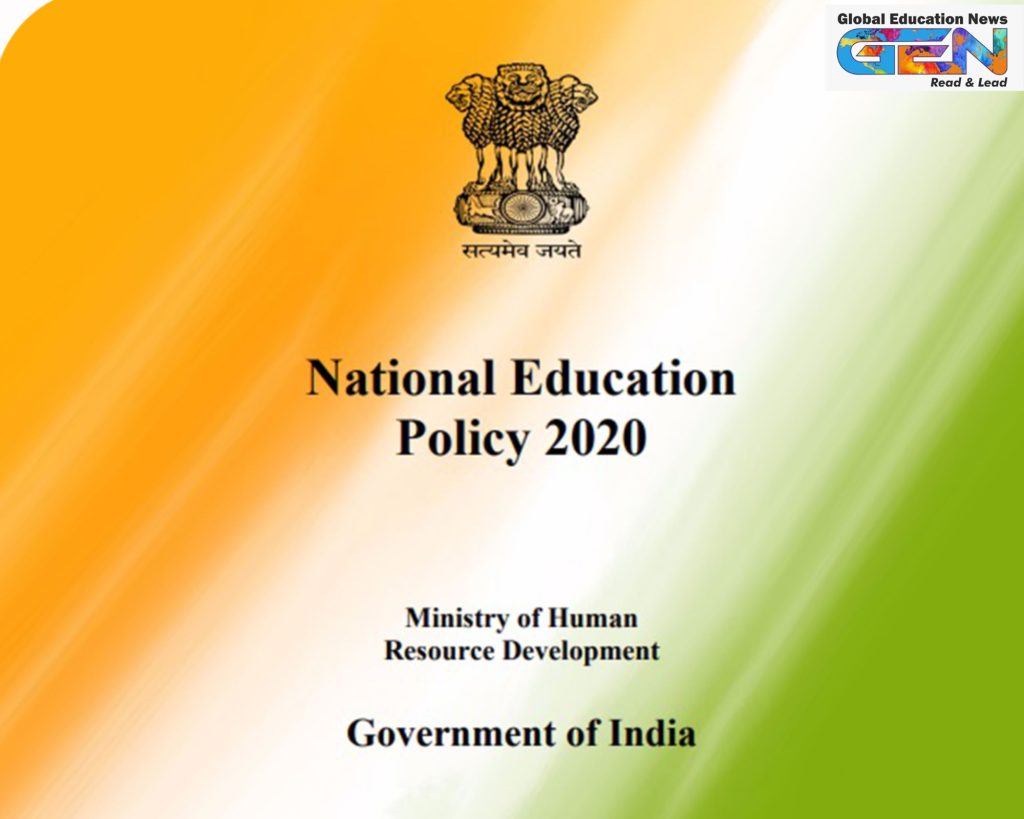
The National Education Policy (NEP) 2020, rolled out in July 2020, is reshaping India’s education landscape with a focus on holistic learning, skill development, and global competitiveness. From starting school at age 3 to offering flexible undergraduate degrees, NEP 2020 addresses critical gaps, as seen in Delhi’s 5,000 AI-enabled classrooms and UK universities opening campuses in India. Here are the 6 big changes every student, parent, and educator needs to know, driving India toward Viksit Bharat 2047.
- NEP 2020, launched in July 2020, aims to boost learning outcomes and skill development.
- Aligns with Viksit Bharat 2047 for a future-ready education system.
- Key changes include flexible degrees, early education, and vocational training.
1. Flexible 4-Year Undergraduate Programs
Key Points:
- Introduces 3 or 4-year UG programs with multiple entry and exit options.
- Awards: Certificate (1 year), Diploma (2 years), Bachelor’s degree (3 or 4 years).
- Supports 1.2 crore students in higher education (AISHE 2023).
Say goodbye to rigid degrees! NEP 2020’s 4-year undergraduate programs offer multiple entry and exit points, allowing students to earn a certificate after 1 year, a diploma after 2 years, or a bachelor’s degree after 3 or 4 years. This flexibility, implemented in 43% of HEIs by 2025 (per UGC), caters to diverse career paths and reduces dropout rates (from 17% in 2020). Aligned with Southampton’s Gurugram campus, it ensures globally recognized credentials for India’s 1.2 crore UG students.
2. School Starts at Age 3 with New Structure
Key Points:
- Replaces 10+2 with 5+3+3+4 structure starting at age 3.
- Stages: Foundational (ages 3–8), Preparatory (8–11), Middle (11–14), Secondary (14–18).
- Impacts 26 crore school students (UDISE 2024).
Early learning gets a boost! NEP 2020 introduces a 5+3+3+4 structure, starting at age 3 to align with developmental needs. The Foundational Stage (ages 3–8) includes 3 years of pre-school and Classes 1–2; Preparatory (8–11) covers Classes 3–5; Middle (11–14) includes Classes 6–8; and Secondary (14–18) spans Classes 9–12. This structure, adopted by Delhi government schools, supports 26 crore students nationwide, emphasizing play-based learning and foundational literacy, as seen in NIPUN Bharat.
3. PARAKH Surveys for Better Assessments
Key Points:
- PARAKH (National Assessment Centre) surveys assess learning outcomes.
- December 2024 survey revealed deficits in Classes 3, 6, and 9 (results July 2025).
- Guides reforms for 10,000+ school boards (NCERT data).
Learning gaps are in the spotlight! NEP 2020’s PARAKH surveys, conducted by the National Assessment Centre, evaluate skills like reading, writing, and basic math. The December 2024 survey, covering 10 lakh students, showed significant deficits in Classes 3, 6, and 9, prompting reforms in 10,000+ school boards. PARAKH’s data-driven approach, complementing Delhi’s NEEEV initiative, ensures schools address gaps, boosting quality education for 15 crore K-12 students (UDISE 2024).
4. Vocational Education for Skill Development
Key Points:
- Targets 50% of students for vocational education by 2025 (from 5% in 2012).
- Integrates practical skills in middle and secondary schools.
- Supports 8 crore youth aged 19–24 (Census 2021).
Get job-ready early! NEP 2020 aims to provide vocational education to 50% of students by 2025, up from just 5% in 2012, compared to 96% in South Korea. Courses in carpentry, IT, hospitality, and agriculture are now part of middle and secondary curricula, impacting 8 crore youth. This aligns with Delhi’s 450 language labs and NEEEV entrepreneurship programs, equipping students with practical skills for India’s $3 trillion economy.
5. Indian Knowledge Systems in Curriculum
Key Points:
- Introduces Indian Knowledge Systems as an elective for secondary students.
- Covers ancient Indian contributions in math, yoga, medicine, and governance.
- Adopted by 60% of CBSE schools by 2025 (CBSE report).
India’s heritage takes center stage! NEP 2020 integrates an Indian Knowledge Systems elective into secondary education, highlighting ancient contributions in mathematics, astronomy, yoga, medicine, literature, and governance. Offered in 60% of CBSE schools by 2025, this course fosters cultural pride and critical thinking among 5 crore secondary students. It complements global curricula, as seen in Liverpool’s Bengaluru campus, blending tradition with modernity.
6. 4-Year B.Ed. as Minimum Teaching Qualification
Key Points:
- Mandatory 4-year integrated B.Ed. for teachers by 2030.
- Dual-major program combines education with subjects like math or history.
- Impacts 90 lakh teachers (DISE 2023).
Teachers are getting a major upgrade! By 2030, NEP 2020 mandates a 4-year integrated B.Ed. as the minimum qualification for teachers, replacing shorter programs. This dual-major degree pairs education with subjects like language, math, music, or science, ensuring deeper expertise. Affecting 90 lakh teachers, this reform, echoed in IGNOU’s digital initiatives under Prof Uma Kanjilal, aims to elevate teaching quality and student outcomes across 15 lakh schools.
Impact and Public Sentiment
Key Points:
- X posts praise NEP’s flexibility but highlight implementation challenges in rural areas.
- Calls for teacher training and digital infrastructure to support reforms.
- Aligns with Supreme Court’s mental health guidelines for holistic education.
The NEP 2020 reforms have sparked optimism on X, with users celebrating flexible degrees and vocational training as steps toward global competitiveness. However, concerns persist about rural implementation, with only 30% of rural schools having internet access (UDISE 2024). Users urge teacher upskilling and more digital tools, like those in Delhi’s 5,000 smart classrooms. The policy’s focus on holistic development aligns with the Supreme Court’s 2025 mental health guidelines, creating a supportive learning environment.
A Future-Ready Education System
Key Points:
- Impacts 26 crore students and 90 lakh teachers nationwide.
- Supports NEP 2020’s goal of 100% GER in school education by 2030.
- Drives Viksit Bharat 2047 with skilled, culturally rooted youth.
NEP 2020’s 6 major changes—flexible degrees, early education, PARAKH surveys, vocational training, Indian knowledge systems, and teacher reforms—are transforming India’s education for 26 crore students and 90 lakh teachers. By targeting 100% Gross Enrolment Ratio (GER) by 2030 and fostering skills, as seen in India-UK education ties, NEP 2020 is building a future-ready workforce. With Viksit Bharat 2047 in sight, these reforms promise an inclusive, innovative education system that blends global standards with India’s rich legacy.