Published on October 28 , 2025
Contents
Bridging Gaps in Physics Education for India’s Future ScientistsCourse Structure: In-Depth Coverage of Core Physics TopicsKey Benefits: Why These Modules Are a Game-Changer for Class 12 StudentsEnrollment and Access: Simple Steps to Start Your Physics JourneyExpert Perspectives: Voices from Educators and Policymakers
Delhi, India
Bridging Gaps in Physics Education for India’s Future Scientists
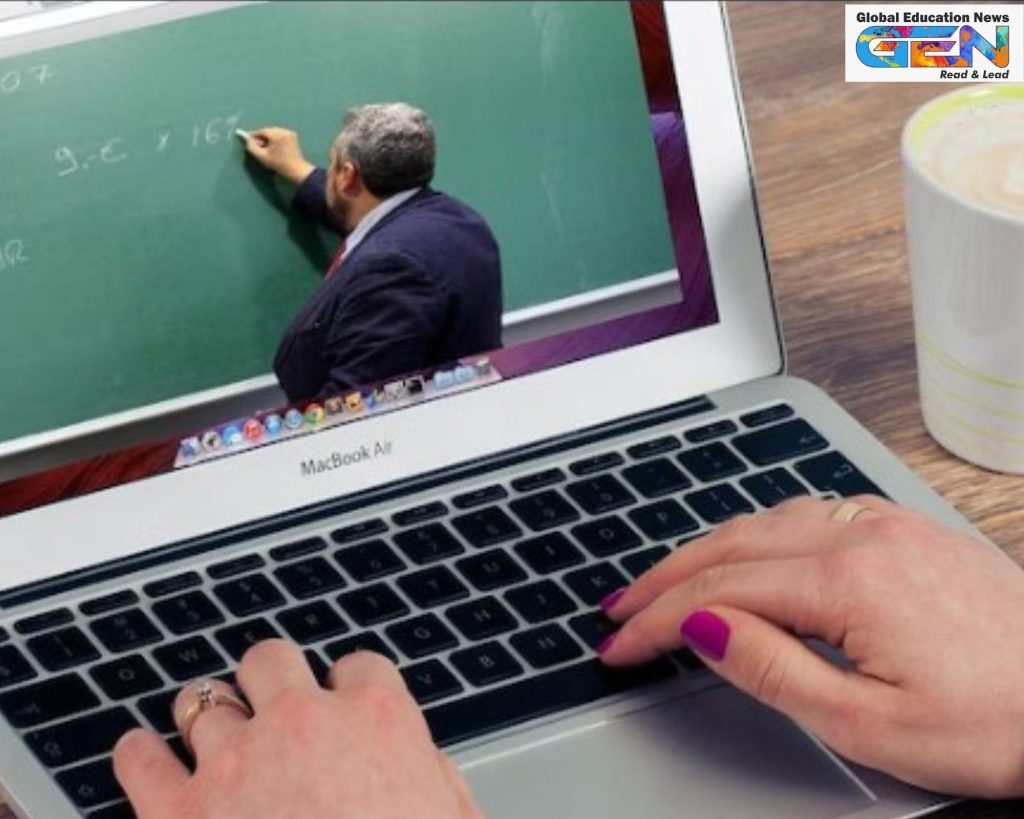
- Announcement Highlights: On October 28, 2025, the National Council of Educational Research and Training (NCERT) unveiled a series of free Massive Open Online Courses (MOOCs) dedicated to Class 12 Physics, hosted on the government-backed SWAYAM platform to enhance accessibility and depth in learning.
- Strategic Timing: Aligned with preparations for the 2026 board exams, this initiative builds on NCERT’s role as the national coordinator for school-level MOOCs, targeting over 1 crore students nationwide who rely on NCERT curricula for CBSE and state boards.
- Broader Context: Amid rising demand for digital resources post-pandemic, these modules address common challenges like uneven teacher availability and rural-urban learning disparities, making high-quality education a click away.
Course Structure: In-Depth Coverage of Core Physics Topics
These 24-week courses are meticulously designed to mirror the NCERT Physics textbook, blending theory with practical insights through a structured syllabus divided into key units:
- Unit 1: Electrostatics (Weeks 1-6): Explores electric charges, fields, Gauss’s law, capacitance, and problem-solving techniques to build foundational electrostatic principles.
- Unit 2: Current Electricity (Weeks 7-11): Delves into drift velocity, Ohm’s law, Kirchhoff’s rules, Wheatstone bridge, and power calculations for real-world circuit applications.
- Unit 3: Magnetic Effects of Current and Magnetism (Weeks 12-17): Covers Biot-Savart law, Ampere’s circuital law, Earth’s magnetism, and material classifications to demystify magnetic phenomena.
- Unit 4: Electromagnetic Induction and Alternating Current (Weeks 18-22): Includes Faraday’s law, Lenz’s law, AC circuits, transformers, and power transmission for understanding dynamic electrical systems.
- Unit 5: Electromagnetic Waves (Weeks 23-24): Focuses on displacement current, the electromagnetic spectrum, and wave applications, wrapping up with integrative assessments.
- Interactive Elements: Each module features 4-5 hours of content, including high-definition video lectures, animations, e-texts, self-assessment quizzes, discussion forums, and downloadable assignments to reinforce learning.
Key Benefits: Why These Modules Are a Game-Changer for Class 12 Students
- Enhanced Conceptual Depth: Unlike rote learning, the courses emphasize scientific reasoning and real-life connections, helping students score higher in board exams (aiming for 90%+ in Physics) by fostering problem-solving skills.
- Flexible and Inclusive Access: Completely free and self-paced, ideal for rural students or those balancing extracurriculars; mobile app compatibility ensures learning on-the-go without internet dependency for offline downloads.
- Certification and Credibility: Earn a digital certificate upon completing proctored exams (optional, nominal fee), recognized by CBSE and universities, boosting resumes for competitive exams like JEE and NEET.
- Holistic Skill Development: Reduces exam stress through practice questions and peer interactions, with studies showing SWAYAM users improving retention by 30% compared to traditional methods.
- Equity in Education: Bridges the digital divide by providing equal opportunities to underprivileged learners, aligning with NEP 2020’s vision for technology-integrated schooling.
Enrollment and Access: Simple Steps to Start Your Physics Journey
- Platform Navigation: Head to the official SWAYAM portal (swayam.gov.in) or download the app; search for “NCERT Physics Class 12” or use course code NCE19_SC07 for Part-I.
- Registration Process: Create a free account using email or mobile, select the course, and enroll instantly – no deadlines for self-paced mode, but sessions start periodically (next: November 2025).
- Technical Requirements: Basic smartphone or laptop with internet; content supports multiple languages (English/Hindi) and includes subtitles for accessibility.
- Support Resources: Join live doubt-clearing sessions, access mentor forums, and track progress via dashboards; for queries, contact NCERT’s CIET helpline.
Expert Perspectives: Voices from Educators and Policymakers
- NCERT’s Vision: Officials emphasize that these modules “cultivate a scientific temperament by making abstract concepts tangible,” with lead instructor Anuradha Mathur highlighting animations as key to visualizing complex phenomena like electromagnetic waves.
- Educator Endorsements: Seasoned teachers from institutions like Modern School and DAV note a 25% rise in student engagement in pilot runs, praising the blend of NCERT-aligned content with innovative tools.
- Impact Projections: Experts predict these courses could reach 5 lakh enrollments in the first year, significantly aiding NEET aspirants by clarifying high-weightage topics like Electrostatics (15% board marks).