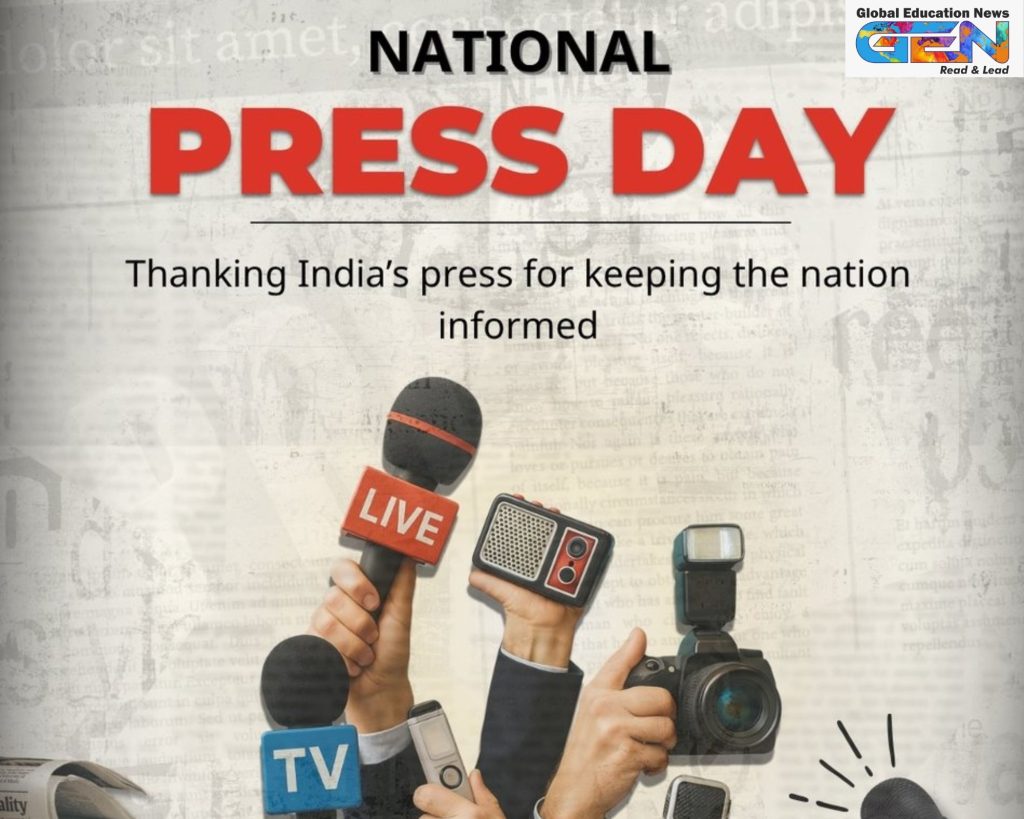
November 16, 2025, dawned as a beacon for India’s journalistic ethos, with National Press Day honoring the Press Council of India (PCI)’s founding in 1966 and reaffirming the media’s stature as democracy’s Fourth Pillar. This observance transcends mere commemoration; it spotlights a sector that has ballooned from 60,143 registered publications in 2004-05 to 1.54 lakh in 2024-25, fueled by digital proliferation yet shadowed by AI-fueled misinformation and eroding press freedoms—India’s 151st ranking in the 2025 World Press Freedom Index underscores the urgency. Under the theme “Reporting in the Brave New World – The Impact of Artificial Intelligence on Press Freedom and the Media,” events nationwide—from ministerial addresses to student competitions—blended reflection with forward-looking reforms like the Printing and Publishing Reforms (PRP) Act, 2023. This analysis dissects the day’s historical roots, explosive growth, celebratory highlights, and pressing challenges, revealing a media landscape at a transformative crossroads.
Historical Foundations: From Colonial Resistance to PCI’s Safeguard
National Press Day isn’t just a date—it’s a narrative of resilience etched in India’s freedom struggle and post-independence ethos. Key milestones include:
- Colonial-Era Sparks: Pioneers like Raja Ram Mohan Roy championed expression against British censorship, birthing resistance organs such as The Hindu (1878), Amrita Bazar Patrika (1868), and Bal Gangadhar Tilak’s Kesari, which galvanized the independence movement through unyielding critiques.
- Post-Independence Trials: The 1975 Emergency imposed draconian curbs, yet journalism rebounded via constitutional protections under Article 19(1)(a), emphasizing free speech as a democratic cornerstone.
- PCI’s Birth (1966): Enacted via the Press Council Act, this quasi-judicial body—unique globally—self-regulates media ethics, adjudicates complaints, and shields press autonomy without governmental overreach, processing over 1,000 cases annually to balance freedom with accountability.
This legacy frames the day as a call to vigilance, reminding that a free press isn’t a privilege but a bulwark against authoritarianism.
Media Growth Surge: Quantitative Leap in a Digital Era
India’s print and digital media ecosystem has witnessed exponential expansion, mirroring economic liberalization and tech adoption. Pivotal data points:
- Publication Boom: From 60,143 titles in 2004-05 to 1.54 lakh by 2024-25—a 156% rise—spanning dailies, weeklies, and periodicals across 22 languages, with Hindi and English dominating 70% of circulation.
- Digital Acceleration: Over 50,000 online portals and 900 million internet users have democratized content creation, yet this growth strains infrastructure, with rural penetration at just 40%.
- Economic Footprint: The sector employs 2.5 lakh journalists and generates ₹1.5 lakh crore annually, underscoring its role in job creation and information dissemination.
Analytically, this proliferation enhances pluralism but amplifies risks like fragmented audiences and revenue pressures on ethical reporting.
2025 Celebrations: Themes, Events, and Ministerial Momentum
This year’s observances infused tradition with tech-forward discourse, drawing policymakers, journalists, and youth into a national dialogue. Highlights encompass:
- Central Event: At New Delhi’s National Media Centre, Information & Broadcasting Minister Ashwini Vaishnaw addressed the PCI’s foundation day, emphasizing AI’s dual-edged sword—innovation versus deepfakes—alongside PTI CEO Vijay Joshi, who lauded media’s adaptive resilience.
- Regional Echoes: Goa’s Chief Minister Pramod Sawant attended a state function organized by the Department of Information and Publicity, while student-led poster and speech contests in Delhi tackled “Fighting Misinformation and Deepfakes.”
- Thematic Focus: “Changing Nature of Press” guided PCI sessions, exploring AI’s implications on fact-checking and ethical AI tools for journalism, with calls for upskilling 1 lakh media professionals by 2030.
- Public Engagement: Social media buzzed with #NationalPressDay tributes, from veteran journalists’ reflections to Gen Z’s push for inclusive reporting.
These gatherings not only celebrated achievements but catalyzed commitments to a “fearless, fair” press.
Reforms in Motion: Modernizing Governance for a Digital Tomorrow
Amid growth, 2025’s Press Day spotlighted institutional overhauls to future-proof media. Core reforms include:
- PRP Act, 2023 Implementation: Streamlines registration via a unified digital portal, slashing paperwork from 30 days to 48 hours and enabling real-time tracking—already onboarding 20,000 new entities.
- AI and Ethics Integration: PCI’s draft guidelines mandate disclosure of AI-generated content, with mandatory training on bias detection to combat 30% rise in deepfake incidents.
- Funding and Inclusivity: ₹500 crore allocation for regional language digital hubs, targeting 50% women and rural representation in media workforce by 2027.
- Global Benchmarks: Aligns with UN’s Sustainable Development Goal 16 (peaceful societies), positioning India as a leader in self-regulated digital media.
These steps address legacy bottlenecks, fostering a resilient ecosystem where innovation bolsters, rather than undermines, credibility.
Persistent Challenges: Navigating Threats to Press Autonomy
Despite strides, the day laid bare systemic frailties, urging collective action. Foremost concerns:
- Freedom Erosion: India’s slide to 151st in RSF’s 2025 Index reflects rising attacks on journalists—over 500 cases in 2024-25, including sedition charges and online harassment.
- Digital Dilemmas: AI exacerbates misinformation (40% of viral content flagged as false), economic dependencies on ad revenues fuel sensationalism, and algorithmic biases marginalize minority voices.
- Structural Hurdles: Political pressures, corporate ownership (controlling 60% of outlets), and low wages (average ₹25,000/month) deter investigative work, with 25% journalist attrition annually.
- Path Forward: Advocates demand PCI empowerment with enforcement teeth and a National Media Policy prioritizing plurality.
Stakeholders like journalist Poonam Shekhar decried the “futile approach towards journalistic integrity,” calling for fearless expression over profit.
Voices from the Vanguard: Reflections and Renewed Resolve
Echoing across platforms, 2025’s discourse blended optimism with critique:
- Ministerial Vision: Vaishnaw urged “precision & fail-proof” tech adoption for ethical reporting.
- Journalistic Calls: OP Yadav extended “warm wishes” to media professionals as “guardians of press freedom.”
- Youth Pulse: Events like CivilBuzz’s UPSC-focused recaps highlighted PCI’s role in Article 19 safeguards.