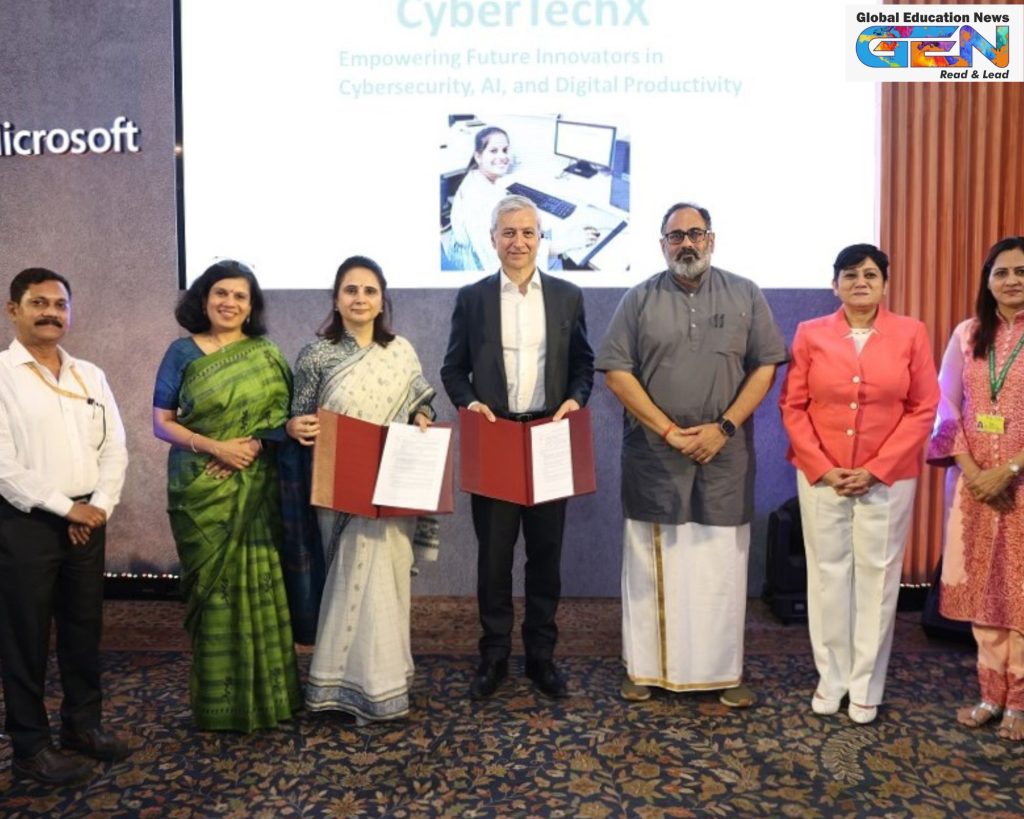
In a pivotal move amid India’s accelerating digital transformation, Microsoft India has forged a Memorandum of Understanding (MoU) with the Ministry of Skill Development and Entrepreneurship (MSDE), under the Ministry of Labour & Employment, signed on December 10, 2025. This collaboration isn’t merely an agreement—it’s a calculated response to the nation’s skills deficit, where over 500 million youth enter the workforce by 2030, yet face a 20-25% employability gap in tech sectors. By integrating AI-driven training with the National Career Service (NCS) platform, the partnership addresses immediate needs like unemployment in Tier-II/III cities while positioning India as a global talent exporter. Our analysis reveals how this MoU builds on prior initiatives (e.g., 2023 ITI skilling and 2025 women’s AI programs), amplifying scale and inclusivity for sustainable economic impact.
Core Objectives: Bridging the AI Skills Chasm
The MoU’s foundational goals target a holistic upgrade of India’s labor ecosystem, emphasizing future-proofing against AI disruption projected to reshape 40% of jobs by 2027.
- AI-Led Skilling at Scale: Aims to train over 1 million youth annually in AI, cloud computing, cybersecurity, and productivity tools via the DigiSaksham platform, aligning with global standards to boost employability by 30-40% in high-demand fields.
- Expanded Job Access Nationwide: Leverages NCS to connect learners with formal opportunities, targeting a 50% increase in platform registrations among underserved groups like women and rural workers.
- Global Workforce Mobility: Fosters international pathways, enabling Indian talent to tap into overseas roles, potentially adding $100 billion to GDP through skilled exports by 2030.
This strategic focus counters India’s youth unemployment rate (hovering at 23% for ages 15-29) by prioritizing inclusive growth, with a nod to demographic dividends—India’s working-age population peaks in 2040.
Key Initiatives: From Training to Tech Integration
Breaking down the MoU’s actionable pillars, these initiatives blend Microsoft’s tech prowess with MSDE’s grassroots reach, creating a seamless pipeline from education to employment.
- DigiSaksham Expansion: Delivers 240-hour modular programs (building on 2025 women’s AI curriculum) for hands-on learning, with certifications recognized by NCVET, targeting 10 million AI-skilled Indians by 2030—emphasizing Tier-II/III cities for equitable access.
- Global Employer Onboarding: Invites 15,000+ Microsoft partners (from Silicon Valley to European hubs) to NCS, enhancing job listings by 200% in sectors like IT and fintech, while using AI for personalized matching to reduce hiring time by 40%.
- Platform Modernization: Deploys Azure cloud and AI analytics to upgrade NCS and e-Shram portals, enabling real-time labor insights, predictive job trends, and fraud detection—fortifying social security for 94 crore unorganized workers (up from 19% coverage in 2015 to 64.3% in 2025).
Analytically, these steps mitigate risks like digital divides, with built-in equity measures (e.g., vernacular support) ensuring 40% female participation, a critical fix for gender gaps in STEM.
Leadership Insights and Stakeholder Quotes
Endorsements from key figures underscore the MoU’s urgency, framing it as a public-private synergy in India’s Employment Digital Public Infrastructure (DPI) vision.
- Dr. Mansukh Mandaviya, Union Minister: “This partnership accelerates job access, deepens skilling, and enhances India’s leadership in global labour mobility… We’re on track for 100 crore citizens under social protection by March 2026.” His optimism highlights a 240% surge in coverage, crediting e-Shram’s data-driven policies.
- Satya Nadella, Microsoft CEO: Praises e-Shram as a “game-changer for unorganized workers” and commits to DPI co-creation, emphasizing AI’s role in inclusive innovation and India-US tech ties.
These voices signal bipartisan buy-in, with potential for replication in other emerging markets.
Projected Impacts: Economic and Social Ripples
Evaluating outcomes, the MoU could catalyze a 15-20% formalization rate in the informal sector (employing 90% of workers), while curbing brain drain through domestic upskilling. Short-term wins include 500,000 new jobs in 2026; long-term, it fortifies India’s $5 trillion economy goal by 2028 via tech exports.
Challenges persist—implementation in remote areas requires robust monitoring—but early metrics (e.g., 2023 MoU’s 1 lakh ITI trainees) suggest high ROI. Ultimately, this alliance exemplifies proactive policy, transforming “AI anxiety” into opportunity for a billion-plus population.