In a move blending tradition with tomorrow’s classrooms, the Meghalaya government has rolled out a transformative new curriculum that mandates Khasi and Garo languages as core subjects for young learners up to Class 1. Announced on the heels of a key cabinet meeting, this initiative isn’t just about words—it’s a deliberate push to weave the state’s rich indigenous heritage into the fabric of early education. As Meghalaya education reforms gain momentum, this policy promises to foster cultural identity in schools while easing the learning curve for tiny tots. But what does it mean for parents, teachers, and the next generation? Let’s break it down.
The Heart of the Change: Why Khasi and Garo Now?
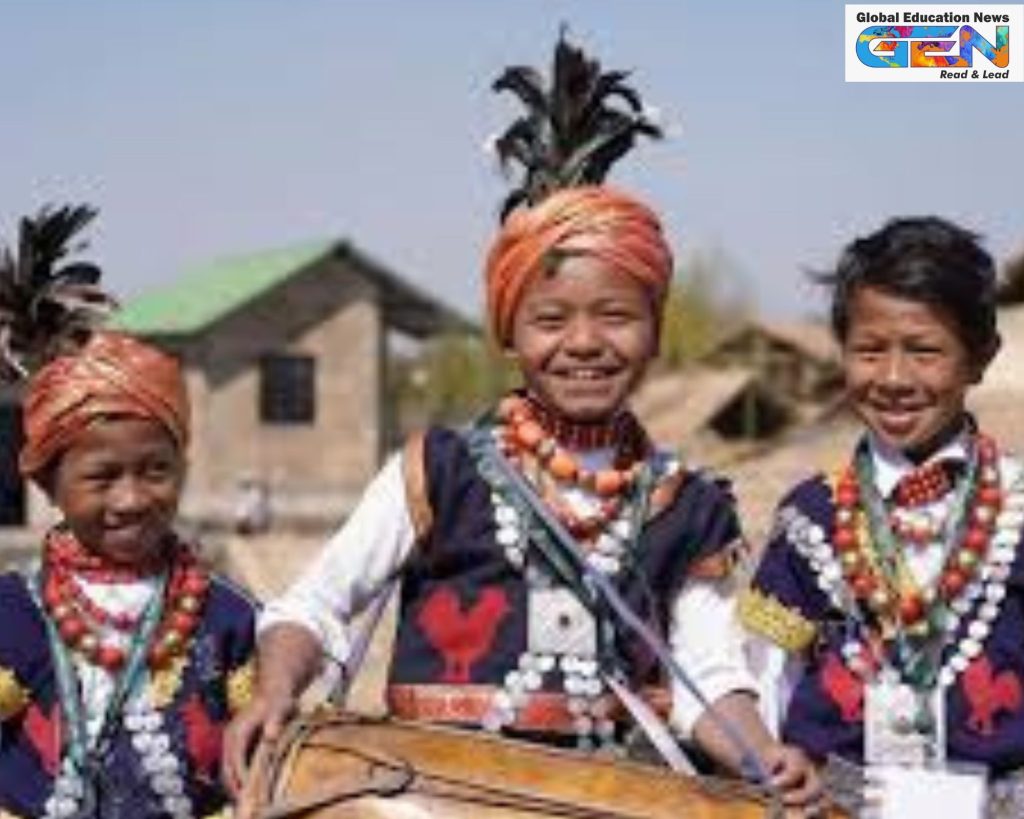
Meghalaya, home to vibrant tribal communities, has long championed multilingualism to preserve its linguistic mosaic. The new foundational stage curriculum—spanning preschool to Class 1—makes Khasi (spoken by the Khasi people in the east) and Garo (prevalent among the Garo hills in the west) compulsory, aiming to ground children in their roots from the get-go.
Key Reasons Behind the Mandate:
- Building Confidence and Belonging: Early immersion in native tongues helps kids “grow with confidence,” as Chief Minister Conrad K. Sangma emphasized. It’s about creating a sense of pride and connection, countering the dilution of local dialects in urbanizing India.
- Simplifying Early Learning: The curriculum prioritizes “ease of learning” over rote drills, blending basic values, state history, and traditions into playful modules. Think storytelling sessions in Khasi or Garo songs that double as phonics lessons—making school feel like home.
- Preserving Linguistic Diversity: With over 200 languages at risk in India, this aligns with national goals under the National Education Policy (NEP) 2020, which urges mother-tongue instruction to boost comprehension and retention.
Sangma, chairing the Friday cabinet huddle, told PTI: “Children must grow with confidence and a sense of belonging. Learning our own languages early helps that.” This isn’t lip service; it’s a response to Meghalaya’s unique demographics, where 80% of the population hails from Khasi, Garo, and Jaintia tribes.
Rollout Roadmap: From Optional Textbooks to Full Integration
Implementation is phased to avoid disrupting the academic flow—schools won’t face a sudden overhaul.
Implementation Highlights:
- Textbook Timeline: Freshly designed books roll out as optional this academic year (2025-26), becoming mandatory next session. Why the buffer? Many institutions have locked in their current syllabi, ensuring a smooth transition.
- Target Age Group: Focused on foundational years (ages 3-6), where language acquisition is lightning-fast. English and Hindi remain, but local languages take center stage for daily interactions.
- Teacher Support Boost: In tandem, the cabinet greenlit a revised pay scale for Sarva Shiksha Abhiyan (SSA) and ad-hoc teachers—a long-overdue nod to their role in rural classrooms. This “recognition of contribution” aims to stabilize staffing, with hikes addressing inflation and morale dips.
Educators hail it as a win for inclusive education in Northeast India, potentially reducing dropout rates in tribal areas by making lessons relatable.
Broader Cabinet Wins: Education in the Spotlight
This curriculum tweak is part of a powerhouse cabinet agenda, signaling Meghalaya’s holistic push for progress. Here’s a quick snapshot:
| Initiative | Details | Impact |
|---|---|---|
| HIV/AIDS Mission Mode Project | Rs 25 crore over five years for awareness, infrastructure, and interventions. | Targets high-risk groups, fortifying public health in remote hills. |
| Green Building Mandate | Amendment to 2021 Bye Laws: Certification required for large constructions. | Pushes sustainable architecture, aligning with eco-conscious Meghalaya. |
| Human Rights Commission Leadership | Former High Court CJ S Vaidyanathan appointed chairperson. | Strengthens oversight on rights in a diverse state. |
| Livelihoods Cooperative Society | New entity for funding in agriculture, food processing, and cooperatives. | Fuels rural economies, creating jobs in allied sectors. |
| National Games Secretariat | Society formed to host the 39th National Games. | Spotlights Meghalaya’s sports infrastructure on a national stage. |
These moves underscore a government syncing education with health, environment, and economy—proving policy isn’t siloed.