The Narendra Jadhav panel, constituted to review and recommend a three-language policy for schools in Maharashtra, has formally submitted its comprehensive report to the state government — marking a key step in the ongoing debate over multilingual education aligned with the National Education Policy (NEP) 2020.
The panel’s findings — still under government review — are expected to shape how languages are taught in classrooms, particularly addressing concerns about language imposition, regional identity and curriculum feasibility.
Background: Why the Language Policy Panel Was Formed
Maharashtra’s initiative to implement the three-language formula under NEP 2020 triggered widespread public debate in 2025. The state had initially issued government resolutions to make Hindi the third language from Class 1 onward alongside Marathi and English, but intense objections — mainly over perceived Hindi imposition and threats to Marathi cultural identity — led to the rollback of those directives.
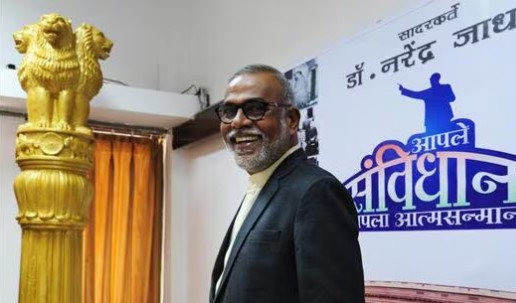
In response, the government set up an expert committee headed by economist and educationist Dr. Narendra Jadhav to reassess the policy framework and recommend a balanced, culturally sensitive approach.
About the Jadhav Committee: Mandate and Consultations
Multilingualism under NEP 2020
The National Education Policy advocates a three-language formula encouraging students to learn:
- the mother tongue or regional language
- English
- a third language, ideally another Indian language
While the policy promotes multilingual competence, its interpretation varies by state; hence Maharashtra needed a region-specific roadmap.
Broad Stakeholder Engagement
Over several months, the committee engaged with stakeholders across the state — including parents, teachers, political groups, linguistic organisations, and communities — to understand public sentiment before finalising its recommendations. It even launched a dedicated portal to gather widespread public input.
Earlier preliminary findings suggested that a large majority of respondents were opposed to making Hindi compulsory from early primary grades, with many favouring optional learning or delayed introduction of Hindi.
What’s in the Submitted Report (So Far)?
The Jadhav Committee’s completed report has been handed over to Chief Minister Devendra Fadnavis and will now be discussed in the state cabinet.
Key Features of the Submission
1. Language Policy Recommendations:
Although the exact language policy proposals have not yet been publicised, the report outlines a detailed framework for implementing the three-language formula in Maharashtra’s school system in a way that respects regional languages and cultural sensitivities.
2. Supplementary Report on Curriculum Innovation:
In addition to the core language recommendations, the panel has submitted a supplementary report proposing the introduction of Information and Communication Technology (ICT) and Artificial Intelligence (AI) education across Classes 1 to 12, recognising their importance in modern schooling.
Government’s Next Steps
The state cabinet is expected to meet soon to review the panel’s proposals and decide which recommendations should be accepted, modified, or integrated into policy for the coming academic year.
Chief Minister Fadnavis has indicated that the government will consider the report carefully before making formal announcements and implementation timelines.
Why the Language Policy Debate Matters
1. Linguistic Identity and Regional Pride
The policy discussion has become a flashpoint in Maharashtra over Marathi identity, emphasising that while a multilingual framework is educationally valuable, language imposition risks polarisation.
2. National Policy vs Regional Preferences
Balancing the NEP’s multilingual intent with regional language priorities highlights the ongoing challenge for states to adapt national frameworks to local contexts.
3. Curriculum and Practicality
Experts have also raised concerns over implementation challenges such as teacher availability, textbook development, and student learning outcomes, especially if complex language combinations are introduced from early grades.
Potential Policy Pathways Ahead
Based on consultations and earlier responses, potential outcomes could include:
- Optional introduction of the third language, allowing students/families to choose beyond mandatory Marathi and English.
- Delayed introduction of Hindi or other languages until later school years.
- Flexible, localized language offerings reflecting student demographics and community preferences.
- Strong emphasis on regional language preservation, with Marathi remaining core to the curriculum.
The cabinet’s forthcoming decisions are expected to provide clarity on these options for the 2026–27 academic session and beyond.