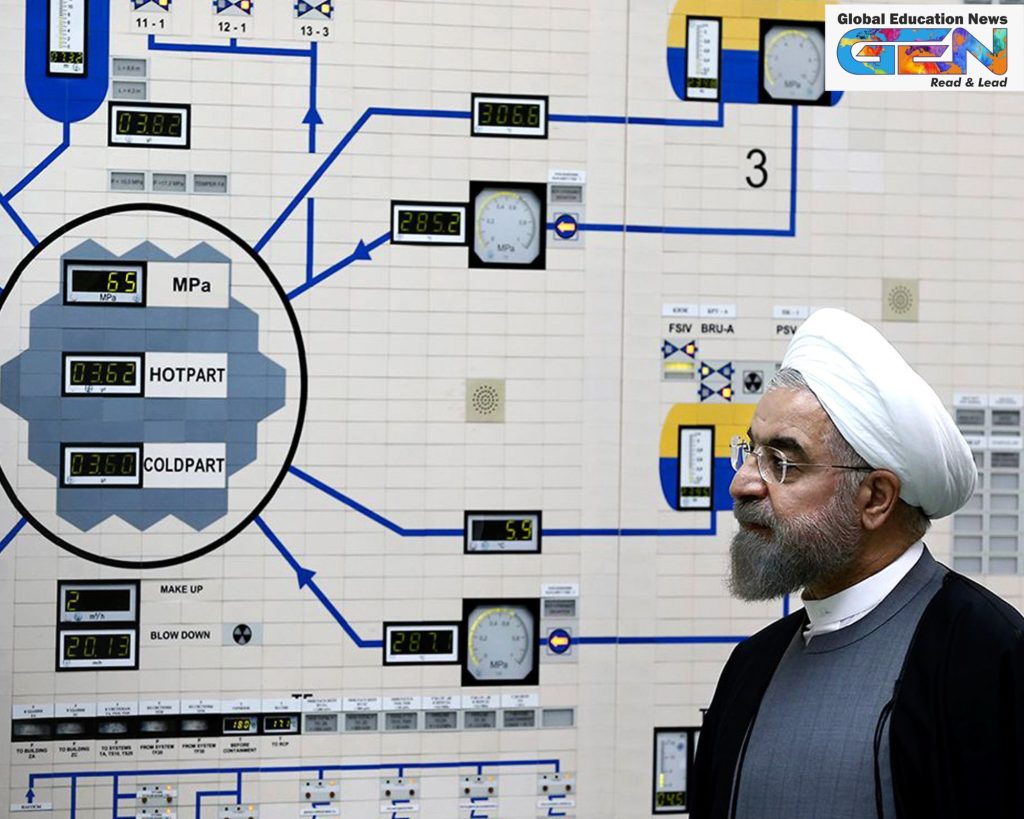
In June 2025, Iran’s nuclear programme stands at a critical juncture, with the International Atomic Energy Agency (IAEA) reporting that Tehran possesses enough enriched uranium to produce 10 nuclear warheads in as little as two weeks, according to US estimates. This escalation, coupled with the collapse of the Joint Comprehensive Plan of Action (JCPOA) and heightened Israel-Iran tensions, has thrust Iran’s nuclear ambitions into the global spotlight. Amid events like the Air India Flight AI171 crash in Ahmedabad, Iran’s programme fuels fears of a Middle East nuclear race and broader geopolitical fallout. Here’s a deep dive into its current status and global repercussions.
Key Points:
- Uranium Stockpile: Iran holds 3,760 kg of enriched uranium, including 87.5 kg at 60% purity, as of February 2025.
- JCPOA Collapse: US withdrawal in 2018 and Iran’s breaches since 2021 ended the deal’s viability.
- Global Tensions: Israel’s strikes on Natanz and Iran’s retaliatory moves escalate risks.
Current Status: On the Nuclear Threshold
Iran’s nuclear programme, overseen by the Atomic Energy Organization of Iran (AEOI), has advanced significantly since the JCPOA’s unraveling. The 2015 deal limited Iran’s uranium stockpile to 300 kg at 3.67% enrichment, but by June 2025, Iran has:
- Enriched Uranium: 3,760 kg total, with 87.5 kg at 60% purity, close to the 90% needed for weapons-grade material.
- Centrifuge Upgrades: Deployed advanced IR-6 centrifuges at Natanz and Fordo, boosting enrichment capacity.
- New Facilities: Construction began on four nuclear power plants in February 2024, aiming for 20,000 MW by 2041.
- Reduced IAEA Access: Iran curtailed monitoring in 2021, hindering verification of peaceful intent.
Supreme Leader Khamenei announced on June 4, 2025, the completion of Iran’s nuclear fuel cycle, from mining to power plant fuel, signaling self-sufficiency. Iran insists its programme is for civilian purposes, like energy and medical research, but the IAEA and Western powers question this, citing no civilian need for 60% enrichment.
Key Points:
- Enrichment Surge: 60% purity stockpile grew 50% in early 2025.
- Natanz Targeted: Israel struck Natanz in June 2025; no radiation spike reported.
- IAEA Concerns: Limited access raises fears of covert activities.
The JCPOA’s Demise: A Diplomatic Failure
The JCPOA, signed in July 2015 by Iran and the P5+1 (US, UK, France, China, Russia, Germany), aimed to curb Iran’s nuclear programme in exchange for sanctions relief. It restricted enrichment, centrifuge numbers, and uranium stockpiles, with robust IAEA inspections. However, the deal collapsed after:
- US Withdrawal (2018): President Trump exited, reimposing sanctions, crippling Iran’s economy.
- Iran’s Retaliation: Since 2021, Iran breached JCPOA limits, resuming high-level enrichment and limiting IAEA access.
- Failed Revival: Biden’s 2021 efforts stalled due to Iran’s advances and regional conflicts, including Gaza and Ukraine.
By 2025, the JCPOA is effectively dead, with Russia and China backing Iran’s nuclear rights, defying US sanctions.
Key Points:
- Sanctions Impact: US sanctions fueled Iran’s nuclear escalation.
- P5+1 Split: Russia-China support contrasts with US-Israel opposition.
- No New Deal: Diplomatic talks stalled, per Atlantic Council.
Global Repercussions: A Ticking Time Bomb
Iran’s nuclear advances have sparked widespread concern, with ripple effects across the Middle East and beyond. Here’s how the world is reacting:
1. Israel-Iran Escalation
- Direct Strikes: In late 2024 and June 2025, Israel targeted Iran’s Natanz site, prompting Iranian retaliation.
- Existential Threat: Israel, with an undeclared nuclear arsenal, views Iran’s programme as a survival risk, raising fears of preemptive strikes.
- Miscalculation Risk: Analysts warn of a potential nuclear exchange due to missteps.
2. Middle East Nuclear Race
- Saudi Arabia’s Ambitions: Iran’s progress could push rivals like Saudi Arabia to pursue nuclear weapons, destabilizing the region.
- Regional Tensions: Iran’s support for proxies like Hezbollah heightens fears of conflict spillover.
3. Global Powers’ Response
- US Pressure: President Trump’s 2025 memorandum intensified sanctions to block Iran’s nuclear path.
- Russia-China Support: Both nations advocate for Iran’s nuclear energy rights, opposing sanctions.
- IAEA Monitoring: The agency struggles to verify Iran’s activities, urging restraint.
4. Economic and Security Fallout
- Oil Markets: Potential conflict could disrupt Persian Gulf oil routes, spiking global prices.
- Non-Proliferation Risk: Iran’s advances challenge the NPT, encouraging other nations to pursue nuclear capabilities.
Key Points:
- Israel’s Strikes: Targeted Natanz in June 2025, escalating tensions.
- Saudi Concerns: Fears of a regional nuclear arms race grow.
- Global Divide: US vs. Russia-China stances deepen diplomatic rifts.
Challenges and Future Scenarios
Iran’s nuclear programme faces internal and external hurdles, with three possible paths forward:
Challenges
- Sanctions Pressure: US sanctions cripple Iran’s economy, pushing nuclear escalation as leverage.
- IAEA Limitations: Reduced access hampers verification, fueling distrust.
- Domestic Unrest: Protests and economic woes challenge Tehran’s focus, per 2023 reports.
Scenarios
- Weaponization: Iran could produce a nuclear weapon in under a year, per Greydynamics, triggering regional conflict.
- Diplomatic Revival: A new deal, though unlikely, could emerge if sanctions ease and Iran halts enrichment.
- Status Quo: Iran remains a threshold state, weaponizing its nuclear status without crossing the red line.
Key Points:
- Weapon Risk: Iran could build a bomb in 2025, per US estimates.
- Diplomatic Hurdles: Talks stalled amid Gaza and Ukraine conflicts.
- Threshold Strategy: Iran leverages nuclear status for geopolitical gain.
How to Stay Informed
To track Iran’s nuclear developments, follow these resources:
- IAEA Updates: Visit iaea.org for inspection reports and statements.
- X Sentiment: Monitor posts from @iaeaorg and @StateDept for real-time reactions.
- News Analysis: Check atlanticcouncil.org or cfr.org for expert insights.
- Current Affairs: adda247.com covers related global events, like India’s nuclear policies.
Key Points:
- IAEA Source: Official reports at iaea.org.
- X Updates: @iaeaorg for nuclear monitoring news.
- Broader Context: adda247.com for global affairs.
A World on Edge
Iran’s nuclear programme in June 2025, with its near-weapons-grade uranium and JCPOA’s collapse, poses a grave threat to global security. Israel’s strikes on Natanz, US sanctions, and Russia-China support deepen divisions, while the IAEA struggles to monitor Tehran’s intentions. Amid tragedies like the Ahmedabad crash, Iran’s nuclear brinkmanship risks a Middle East arms race and global economic fallout. Whether Iran weaponizes its programme or negotiates, 2025 is a decisive year, per the Atlantic Council. Stay updated at iaea.org or adda247.com to navigate this critical issue.