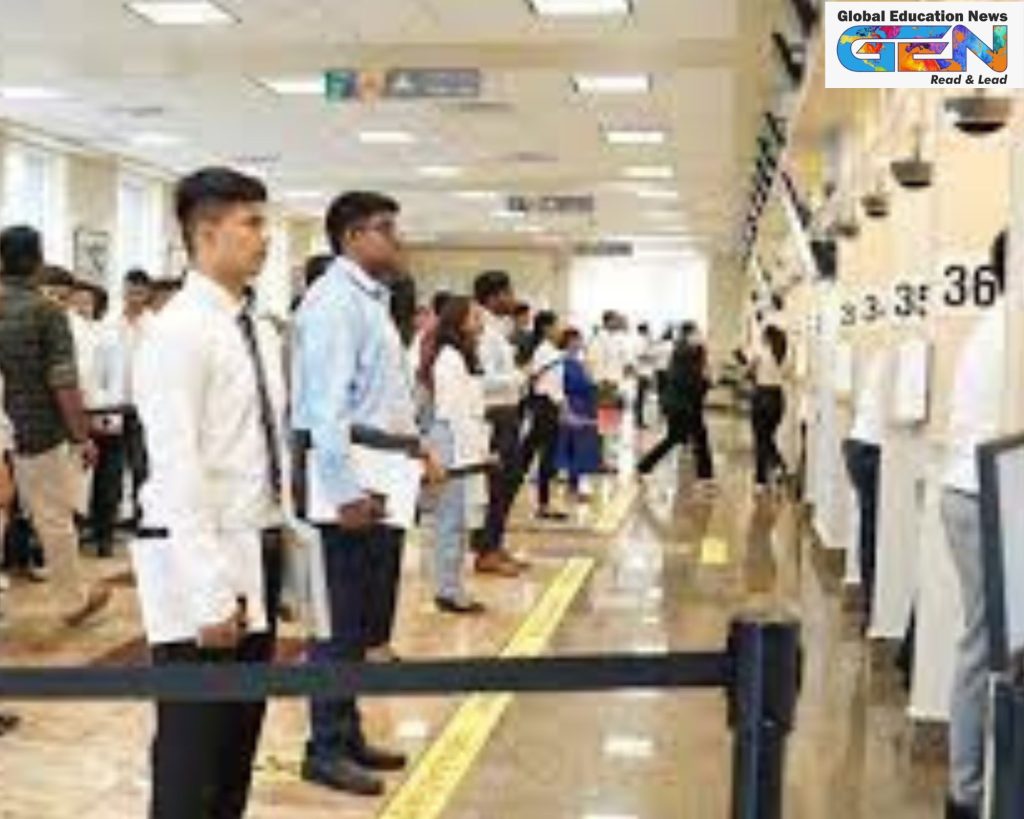
Imagine saving up for your dream European adventure—strolling through Paris, marveling at Swiss Alps, or savoring tapas in Spain—only to have your Schengen visa application rejected, with no refund for the hefty fee. For over 1.65 lakh Indian travelers in 2024, this nightmare became reality, resulting in a staggering loss of ₹136 crore in non-refundable visa fees. As one of the hardest-hit nations globally, India’s Schengen visa woes reveal a complex mix of bureaucratic hurdles, geopolitical tensions, and rising costs. Dive into this eye-opening story to uncover why Indian applications are facing such scrutiny, which countries are the toughest, and what’s next for aspiring travelers.
A Costly Blow: ₹136 Crore Lost to Rejections
Key Points:
- Over 1.65 lakh Schengen visa applications from India were rejected in 2024, with a 15% rejection rate.
- Each application cost an average of €85 (₹8,270), totaling ₹916 crore spent, with ₹136 crore lost to rejections.
- India ranks third globally for financial losses from Schengen visa denials, behind Algeria and Morocco.
In 2024, Indian travelers poured nearly ₹916 crore into Schengen visa applications, but 1,65,266 rejections meant ₹136 crore went down the drain. With a 15% rejection rate out of 11.08 lakh applications, India faced one of the highest financial setbacks globally, trailing only Algeria and Morocco. The mid-year fee hike from €80 to €90 added salt to the wound, making each rejection sting even more. For many, these rejections crushed dreams of studying, working, or vacationing in Europe’s 26-nation Schengen zone.
Why Are Indian Applications Being Rejected?
Key Points:
- Common reasons include incomplete documentation, insufficient funds, or doubts about intent to return.
- Stricter scrutiny due to geopolitical tensions and concerns over illegal immigration.
- Indian applicants face challenges proving strong ties to India, like stable jobs or property.
The Schengen visa process is a labyrinth of paperwork and proof, and Indian applicants are hitting roadblocks. Consulates often cite incomplete applications, lack of sufficient funds, or suspicions that applicants might overstay as reasons for rejection. Geopolitical factors, including Europe’s tightened borders amid migration concerns, have led to harsher evaluations. For many Indians, proving strong ties to their home country—like stable employment or property ownership—is a hurdle, especially for younger travelers or those with informal jobs. The process feels like a gamble, with no refunds for those who lose.
Which Countries Are Toughest on Indian Applicants?
Key Points:
- France led rejections with 31,314 denials, costing Indians ₹25.8 crore.
- Switzerland (€21.6 crore), Germany (€13 crore), Spain (€12.5 crore), and Netherlands (€12 crore) followed.
- High rejection rates reflect stricter policies in popular tourist and study destinations.
France, a top destination for Indian tourists and students, rejected 31,314 applications, making it the priciest gatekeeper at ₹25.8 crore in lost fees. Switzerland, Germany, Spain, and the Netherlands also ranked high, each rejecting thousands of applications and collectively costing Indians over ₹80 crore. These countries, popular for tourism, education, and work, have tightened scrutiny, citing concerns over visa misuse. For Indian travelers, these rejections mean not just financial loss but also shattered plans to explore Europe’s cultural hubs.
Global Context: India Among the Hardest Hit
Key Points:
- Globally, 17 lakh Schengen visa applications were rejected in 2024, generating €145 million (₹1,410 crore) in fees.
- India, alongside Algeria, Turkey, Morocco, and China, faced the highest rejection rates.
- China lost €6.8 million (₹66.7 crore) on 80,703 rejections, far less than India’s losses.
India’s ₹136 crore loss places it among the top victims of Schengen visa rejections, with a rejection rate higher than many peers. Globally, 17 lakh rejections raked in €145 million for Schengen countries, a windfall from broken dreams. While China faced fewer rejections (80,703) and lower losses (₹66.7 crore), India’s high volume of applications and rejections underscores its travelers’ enthusiasm for Europe—and the steep price of failure. This global trend highlights how Schengen nations are prioritizing border control over open access.
The Ripple Effect: Frustration and Shifting Plans
Key Points:
- Rejections are pushing Indians toward destinations with easier visa processes, like China or Southeast Asia.
- China issued 85,000 visas to Indians in early 2025, with relaxed rules and lower fees.
- Travel agents report a 20% drop in Schengen visa applications from India in early 2025.
The financial and emotional toll of Schengen rejections is reshaping Indian travel trends. Frustrated by the costly and unpredictable process, many are turning to destinations like China, which issued 85,000 visas to Indians in early 2025 with simplified rules, or Southeast Asian countries with visa-on-arrival options. Travel agents note a 20% drop in Schengen applications in early 2025, as Indians pivot to less stressful alternatives. This shift could dent Europe’s tourism revenue, as India’s growing middle class seeks friendlier shores.
What’s Next for Indian Travelers?
Key Points:
- Experts urge better preparation, like stronger documentation and proof of funds, to boost approval chances.
- Calls for transparent visa policies and refund mechanisms grow louder.
- Indian travelers may increasingly explore non-Schengen destinations to avoid rejection risks.
The Schengen visa saga is a wake-up call for Indian travelers. Experts recommend meticulous documentation, including detailed itineraries, bank statements, and proof of ties to India, to improve approval odds. Advocacy for transparent visa processes and partial refunds is gaining traction, though Schengen nations show little sign of budging. Meanwhile, Indian travelers are rethinking their plans, with countries like Thailand, Vietnam, and China emerging as viable alternatives. As the dream of Europe fades for many, the focus is shifting to destinations that welcome Indian passports with open arms.