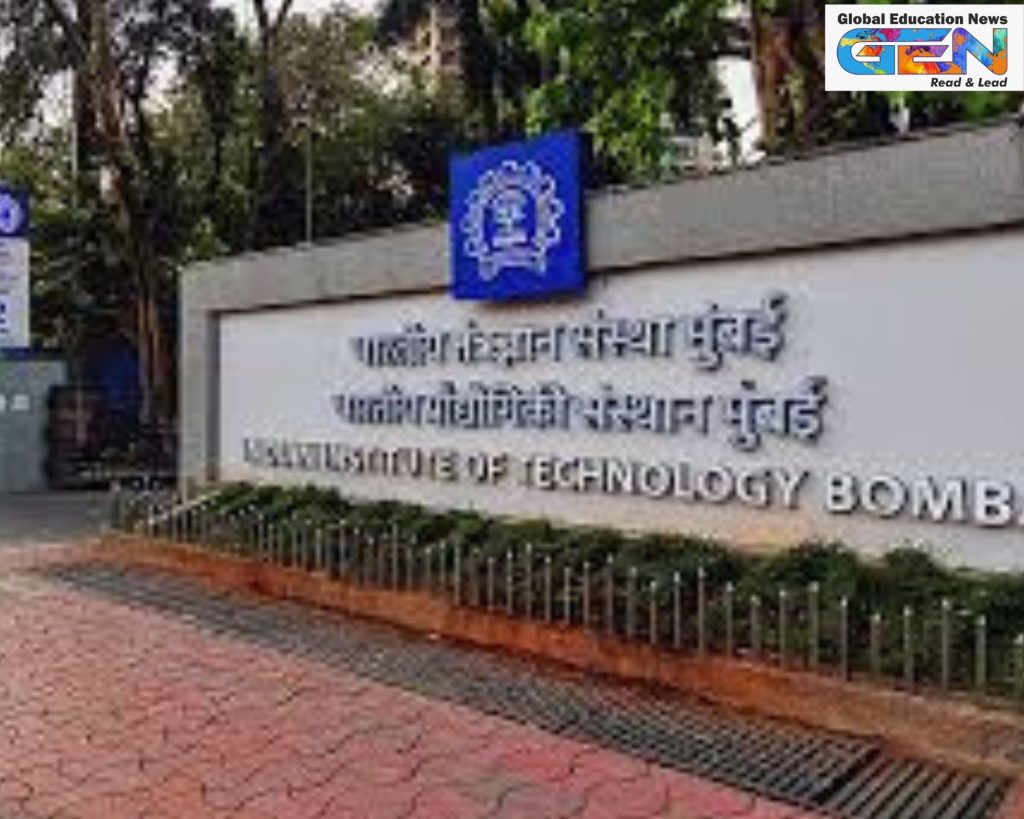
The IIT Bombay zone has once again claimed the top spot in JEE Advanced 2025, securing 145 candidates (29%) in the top-500 ranks, according to the Joint Implementation Committee (JIC) data. This dominant performance underscores the zone’s consistent excellence in India’s most prestigious engineering entrance exam.
- Key Points:
- IIT Bombay zone accounts for nearly one-third of top-500 ranks.
- Followed by IIT Hyderabad (139 ranks, 27.8%) and IIT Delhi (111 ranks, 22.2%).
- Together, these three zones hold 79% of top-500 ranks.
Regional Imbalance in Top Ranks
The JEE Advanced 2025 results reveal a stark regional imbalance, with Bombay, Hyderabad, and Delhi zones dominating the leaderboards. Of the top-10 ranks, three candidates each came from these zones, while Roorkee secured one, and Guwahati, Kanpur, and Kharagpur had none. This trend continues in the top-100, where Bombay and Delhi each contributed 31 candidates, Hyderabad 23, and other zones lagged significantly.
- Key Points:
- Top-100 ranks: Bombay (31), Delhi (31), Hyderabad (23), Roorkee (6), Kharagpur (5), Kanpur (4), Guwahati (0).
- Guwahati zone placed only 3 candidates (0.6%) in the top-500.
- Kanpur and Kharagpur zones contributed 17 (3.4%) and 32 (6.4%) top-500 ranks, respectively.
Coaching Centers: The Competitive Edge
Education experts attribute this disparity to the concentration of large coaching centers in cities like Mumbai, Hyderabad, and Delhi. These hubs provide students with rigorous training, extensive resources, and strategic preparation, giving them a significant advantage in cracking the highly competitive JEE Advanced exam.
- Key Points:
- Coaching centers in Bombay, Hyderabad, and Delhi offer specialized JEE preparation.
- Access to mock tests, expert faculty, and study materials boosts performance.
- Rural zones like Guwahati lack similar infrastructure, impacting results.
Challenges for Lesser-Performing Zones
The Guwahati zone struggled the most, with only 3 candidates in the top-500, highlighting a lack of access to quality coaching and resources. Similarly, Kanpur (17 candidates) and Kharagpur (32 candidates) trailed far behind, raising concerns about equal access to opportunities for students across India.
- Key Points:
- Guwahati’s 0.6% share in top-500 ranks signals resource gaps.
- Kanpur and Kharagpur zones face challenges in competing with urban hubs.
- Need for policies to enhance educational infrastructure in underperforming zones.
Implications for Educational Equity
The persistent regional skew in JEE Advanced results sparks critical questions about educational equity in India. While urban zones benefit from coaching ecosystems, students in rural or less-developed zones face barriers to accessing similar opportunities, limiting their chances of securing top ranks and IIT admissions.
- Key Points:
- Urban zones’ dominance highlights unequal access to quality education.
- Calls for initiatives to support students in rural zones like Guwahati.
- Potential for online coaching and government programs to bridge the gap.
A Call for Reform
The JEE Advanced 2025 results underscore the need for systemic changes to level the playing field. Experts suggest expanding access to online coaching platforms, increasing government-funded preparatory programs, and establishing coaching hubs in underrepresented zones to ensure all students have a fair shot at success.
- Key Points:
- Online platforms like Physics Wallah could democratize JEE preparation.
- Government intervention needed to support rural students.
- Focus on reducing the “coaching mania” to prioritize holistic education.
Looking Ahead: JEE Advanced 2026
As preparations for JEE Advanced 2026 begin, addressing the regional imbalance will be crucial. By investing in educational infrastructure and promoting inclusive access to resources, India can ensure that talent from all regions has the opportunity to shine in this highly competitive exam.
- Key Points:
- JEE Advanced 2026 to be conducted across 229 cities in India and 3 international centers.
- Candidates can select up to 10 preferred exam cities during registration.
- Focus on equitable resource distribution to improve future outcomes.