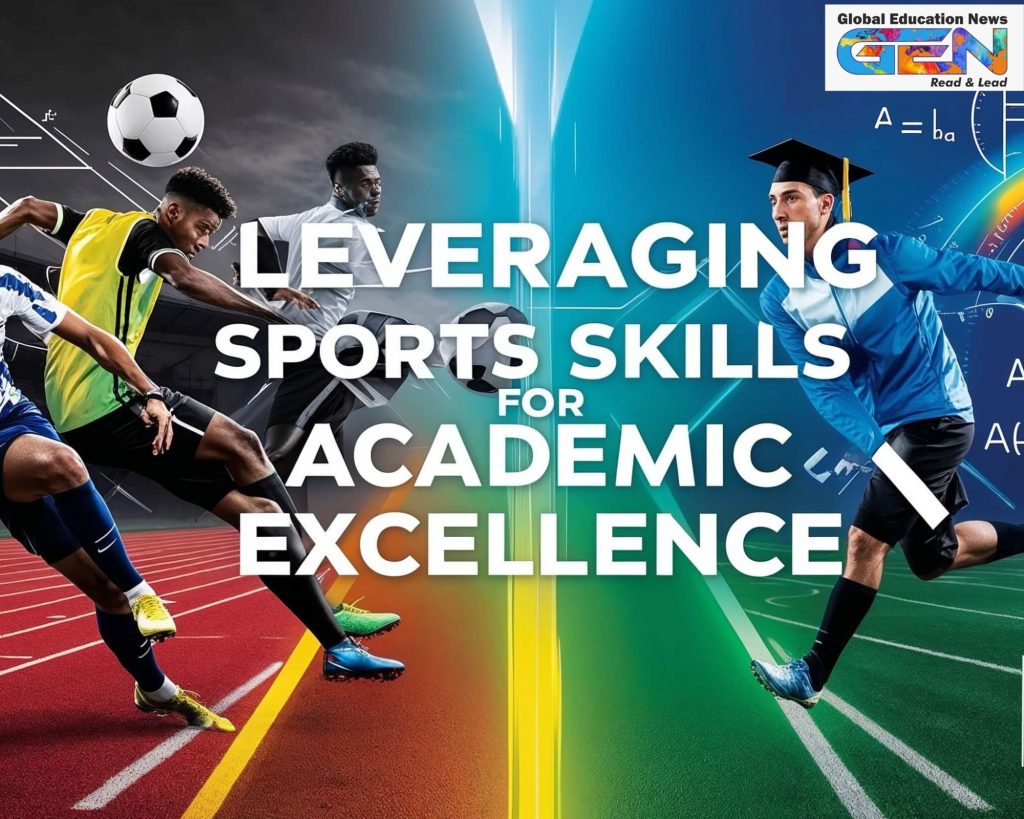
In an era where academic excellence often overshadows extracurricular pursuits, sports are emerging as a powerful catalyst for shaping students’ futures. Far beyond a mere pastime, athletic involvement is now a recognized pathway to academic opportunities, scholarships, and personal development. By fostering discipline, teamwork, and resilience, sports equip students with skills that transcend the playing field, opening doors to elite educational institutions and brighter career prospects.
Key Points:
- Sports are increasingly seen as a legitimate route to academic success.
- Student-athletes gain skills like discipline and leadership, enhancing their educational journey.
- Global and Indian institutions are recognizing athletic achievements in admissions processes.
Global Opportunities for Student-Athletes
Across the world, the student-athlete model is a well-established framework, particularly in the United States, where organizations like the NCAA and NAIA offer substantial scholarships covering tuition, accommodation, and living expenses. Countries such as the UK, Canada, and Australia also provide athletic scholarships, though their systems differ in scope. These opportunities enable talented athletes, including international students, to access prestigious universities by balancing academic rigor with sporting excellence.
Key Points:
- US-based NCAA and NAIA scholarships support thousands of student-athletes annually.
- International students can qualify with strong academic and athletic performance.
- UK, Canada, and Australia offer tailored scholarship programs for athletes.
Sports Quota in India: A Growing Avenue
In India, the sports quota system is gaining traction, particularly in public universities like Delhi University and Jawaharlal Nehru University. These institutions reserve seats for athletes who have competed at state or national levels, often providing benefits like fee waivers or hostel priority. However, inconsistent eligibility criteria and lack of standardized recognition of sporting achievements pose challenges. Private universities are also beginning to value athletic profiles in holistic admissions, signaling a shift toward a more inclusive approach.
Key Points:
- Sports quotas offer reserved seats and benefits in Indian public universities.
- Inconsistent implementation across institutions hinders equal access.
- Private universities increasingly consider athletic achievements in admissions.
Challenges in India’s Sports Ecosystem
Despite progress, India faces hurdles in fully leveraging sports as an academic enabler. Limited access to quality coaching, inconsistent recognition of tournaments, and societal pressure to prioritize board exam results often discourage students from pursuing sports seriously. Families may view sports as a risky investment unless it guarantees professional success, overlooking its broader benefits in building character and opening academic pathways.
Key Points:
- Lack of standardized criteria and coaching limits sports opportunities.
- Societal focus on academics overshadows sports as a viable path.
- Documentation of athletic achievements needs improvement for credibility.
A Call for Systemic Change
To unlock the full potential of sports in education, India needs a cultural and structural overhaul. Schools must integrate sports into curricula as a core component of growth, not just a recreational activity. Universities should standardize sports quota criteria and enhance transparency in selection processes. At the policy level, collaboration between education and sports ministries can streamline scholarship pathways and scouting mechanisms, ensuring talented athletes are identified and supported early.
Key Points:
- Sports should be a core part of school curricula to foster holistic development.
- Universities need transparent, standardized sports quota processes.
- Policy coordination can enhance scholarship and scouting systems.
Beyond the Scoreboard: Lifelong Benefits
Sports instill values like discipline, resilience, leadership, and teamwork, which are invaluable in academic and professional arenas. Even for students who don’t pursue professional sports, these qualities pave the way for success in higher education and beyond. By recognizing sports as a legitimate pathway, India can inspire a generation to view athletic achievements as a stepping stone to a brighter future, redefining success in both classrooms and stadiums.
Key Points:
- Sports cultivate skills that enhance academic and career success.
- Non-professional athletes benefit from lifelong personal growth.
- Recognizing sports’ value can inspire broader societal change.
A Vision for the Future
As global education systems embrace holistic development, India must align by rewarding athletic excellence with tangible academic opportunities. By investing in infrastructure, standardizing systems, and shifting cultural perceptions, the nation can empower student-athletes to score beyond the field. This transformative approach not only elevates individual futures but also inspires a reimagining of what success means in a competitive world.
Key Points:
- Holistic education systems globally prioritize sports alongside academics.
- India’s investment in sports infrastructure can unlock new opportunities.
- Redefining success through sports can inspire a generation.