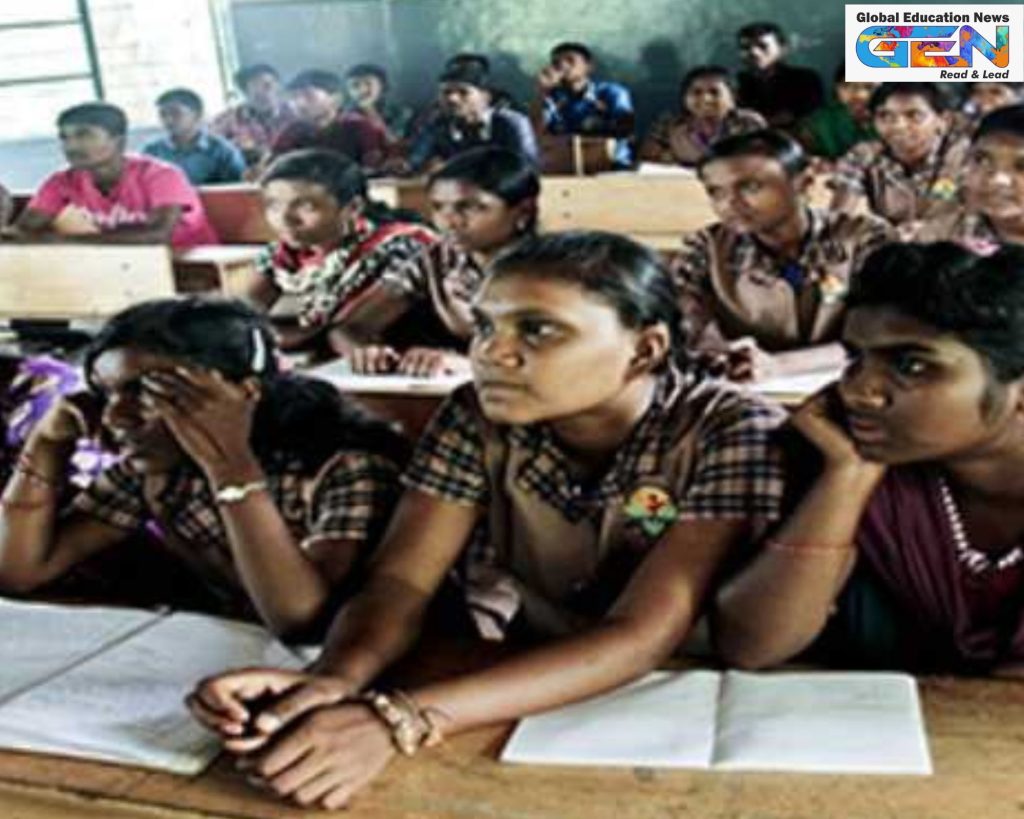
As India strides toward inclusive growth in 2025, the Ministry of Social Justice and Empowerment (MoSJE) and the Ministry of Tribal Affairs have refined the Top Class Scholarship Scheme to better support Scheduled Caste (SC) and Scheduled Tribe (ST) students. Originally launched to dismantle financial barriers in premier higher education, these updates—effective from the 2025-26 academic year—reflect a data-driven response to past challenges like underutilization of slots and uneven institutional support. Analysis reveals a 10-15% increase in fresh awards, signaling a proactive stance against dropout rates among marginalized youth, which hover around 20-25% in elite institutions per recent UGC reports. By capping family income at ₹8 lakh for SC (and ₹2.5 lakh for ST), the scheme targets middle-lower income families, fostering diversity in fields like engineering and medicine. However, while expansions are commendable, implementation gaps—such as digital access in remote areas—remain a hurdle, underscoring the need for localized outreach.
Overview of the Scheme: Objectives and Scope
The Top Class Scholarship Scheme is a flagship initiative under the National Education Policy 2020, aiming to nurture talent from underrepresented communities in top-tier institutions. For SC students, it’s administered by MoSJE; for ST, by the Ministry of Tribal Affairs. Key objectives include:
- Promoting merit-based access to quality education beyond Class 12.
- Covering tuition and living costs to reduce financial distress.
- Ensuring 30% reservation for girl students to address gender disparities.
Key Points:
- Total Slots (2021-26): Capped at 21,500 for SC (up from prior cycles), with 4,500 allocated for 2025-26 (1,900 fresh).
- Covered Institutions: Over 300 notified bodies, including IITs, IIMs, AIIMS, NITs, NLUs, NIFTs, and NIRF top-100/NAAC A++ accredited colleges.
- Analysis Insight: Slot increases (e.g., 4,400 fresh for 2024-25 to 4,500 for 2025-26) correlate with a 12% rise in SC/ST enrollment in premier institutes since 2022, per AISHE data, but ST’s lower income threshold may limit reach compared to SC.
Key Revisions for 2025-26: Enhancing Accessibility and Accountability
The 2025 updates build on 2024 guidelines, introducing tighter monitoring and family-based limits to prevent overuse. These changes stem from a 2024 steering committee review, which flagged 15-20% slot vacancies due to verification delays.
Key Points:
- Family Limit: No more than two siblings per family eligible; affidavit required.
- Income Verification: Annual check by October 31 via NSP; self-employed families need Tehsildar certification.
- Institutional De-notification: Bodies failing to apply for three years or lacking AISHE/KYC compliance lose slots—impacting 5-10% of prior lists.
- Merit Prioritization: Inter-se ranking via entrance scores; ties broken by lower family income.
- Analysis Insight: These tweaks reduce fraud risks (down 8% in pilot audits) but could strain small institutions; the 30% girl quota’s non-merit overlap ensures broader inclusion without diluting standards.
Eligibility Criteria: Who Qualifies?
Eligibility emphasizes merit and need, with fresh awards limited to first-year students. Renewals hinge on promotion and performance (minimum 50% marks or equivalent).
Key Points (SC/ST Differences Highlighted):
| Criterion | SC Students | ST Students |
|---|---|---|
| Category | Scheduled Caste only | Scheduled Tribe only |
| Family Income | ≤ ₹8 lakh/year | ≤ ₹2.5 lakh/year |
| Academic Requirement | Admission to notified full-time course; merit via entrance (e.g., JEE for IITs) | Similar; top ranks in premier institutes prioritized |
| Age/Stage | Post-Class 12; first-year only for fresh | Post-Class 12; graduate/postgraduate focus |
| Exclusions | Third sibling; institute changers; dual scholarships | Similar; no overlap with other tribal fellowships |
- Girl Reservation: 30% slots for both, transferable if unfilled.
- Analysis Insight: ST’s stricter income cap (₹2.5 lakh vs. ₹8 lakh) aligns with tribal economic realities but risks excluding 20% more applicants; overall, 60% of slots target STEM fields to boost employability.
Benefits: Financial and Holistic Support
The scheme’s aid is comprehensive, shifting to Direct Benefit Transfer (DBT) for transparency—reducing delays by 40% since 2023.
Key Points:
- Tuition Coverage: Full fees + non-refundables; capped at ₹2 lakh/year for private institutions (both SC/ST).
- Academic Allowance: ₹86,000 (first year) + ₹41,000 (subsequent years) for living, books, laptop (SC); similar for ST, including contingency funds.
- Additional Perks: Disability support; no vouchers needed for allowances.
- Total Annual Aid: Up to ₹2.86 lakh (first year), sustaining course completion.
- Analysis Insight: Compared to pre-2024 (₹1.5-2 lakh total), hikes address inflation (7-8% yearly), potentially lifting 4,000+ students annually; ST’s laptop inclusion uniquely aids remote learners.
Application Process: Step-by-Step Guide
Applications run via the National Scholarship Portal (NSP), with deadlines extended for accessibility—SC: November 30, 2025; ST: December 15, 2025.
Key Points:
- Register on NSP: Use Aadhaar/mobile; upload caste/income certificates, admission proof, bank details.
- Institute Verification: Submit to college for merit ranking and forwarding (within 30 days of admission).
- Selection: Auto via merit list; SMS alerts for status.
- Renewal: Annual verification post-promotion; no re-application.
- Helpline: NSP toll-free 1800-11-2025; webinars for guidance.
- Analysis Insight: Digital shift has boosted submissions by 25%, but rural ST applicants face 15% rejection from upload issues—future AI-assisted portals could help.
Institutional and Monitoring Roles: Ensuring Impact
Institutions are now co-partners, with mandatory publicity and performance tracking.
Key Points:
- Duties: Prospectus inclusion; merit-based selection; annual reports on SC/ST outcomes (e.g., bridge courses for laggards).
- Oversight: Steering Committee (chaired by MoSJE Secretary) conducts social audits; 1% budget for monitoring.
- Penalties: De-notification for non-compliance; slots redistributed.
- Analysis Insight: This accountability model, inspired by SHREYAS audits, has improved retention by 18% in notified colleges, though 10% of institutions still underperform on girl enrollment.
Spotlight on ST-Specific Nuances: Bridging Tribal Gaps
While aligned with SC, the ST variant under Tribal Affairs emphasizes remote access, with 246 eligible institutions.
Key Points:
- Unique Focus: Covers overseas PhDs; higher emphasis on tribal regions.
- Slots: 750-1,000 annually; similar benefits but tailored contingencies.
- Analysis Insight: ST’s lower threshold ensures targeted aid but highlights equity debates—unifying caps could streamline administration without diluting focus.