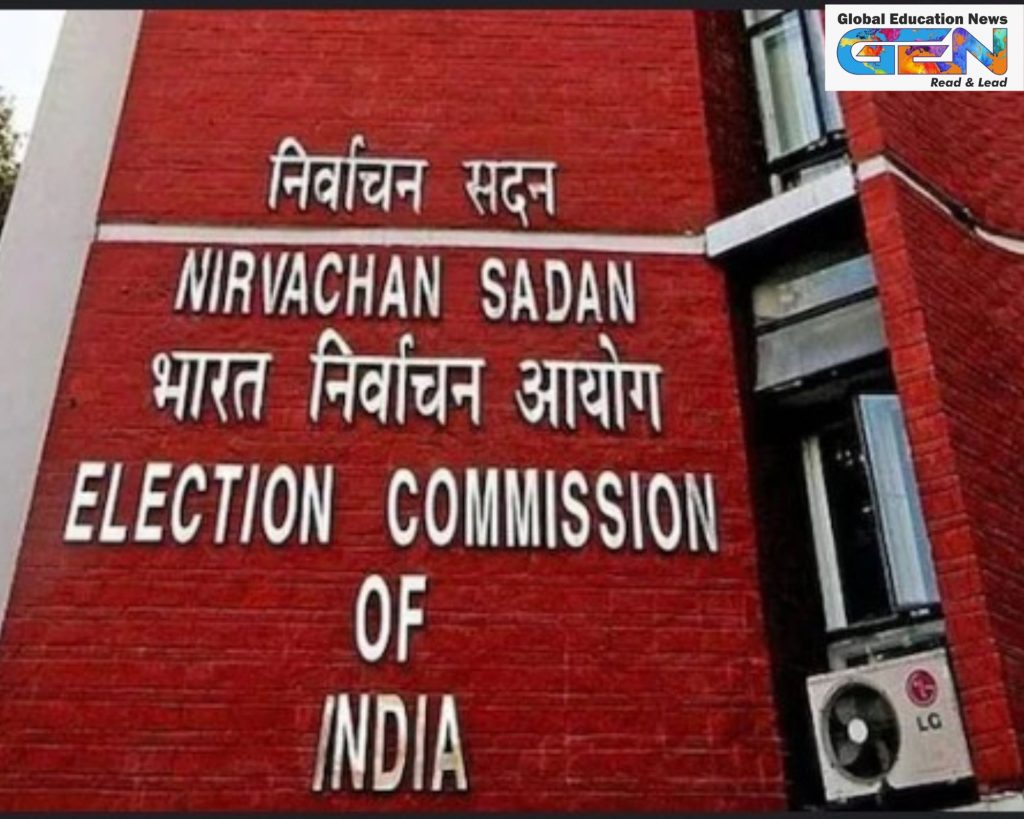
The Election Commission of India (ECI) has taken a decisive step to streamline the political landscape by delisting 22 registered unrecognised political parties (RUPPs) in Tamil Nadu and one in Puducherry, effective August 2025. This action, rooted in the ECI’s ongoing efforts to ensure active participation in elections, targets parties that have remained dormant for over six years. Here’s why this matters:
- Purpose of Delisting: Ensures only active parties benefit from privileges like tax exemptions and symbol allotments under the Representation of the People Act, 1951.
- Historical Context: Follows a 2022 initiative where 86 parties were delisted and 253 declared inactive across states, including 14 from Tamil Nadu, to curb misuse of political registrations.
- Transparency Drive: Aims to reduce voter confusion and prevent non-contesting parties from clogging electoral space, as highlighted by ECI’s 2022 statement on inactive RUPPs.
Why Were These Parties Delisted? The Inactivity Crackdown
The ECI’s decision stems from a rigorous review of RUPPs that failed to contest elections since 2019 or ceased to exist. The process involved show-cause notices and physical verifications, revealing non-compliance with electoral participation requirements:
- Criteria for Delisting: Parties not contesting Lok Sabha or state assembly elections for six years, or found non-existent at registered addresses, were targeted.
- Examples of Delisted Parties: Include Puthiya Neethi Katchi, Tamil Maanila Quaide Milleth League, and MGR Thonderkal Katchi, previously flagged in 2022 for inactivity.
- Impact on Benefits: Delisted parties lose access to common symbol allotments under the Election Symbols (Reservation and Allotment) Order, 1968, and tax exemptions under Section 13A of the Income Tax Act.
Spared Parties: A Glimmer of Activity
Two Tamil Nadu-based parties, Desa Makkal Munnetra Kazhagam and Valamaana Tamizhagam Katchi, escaped the delisting, likely due to demonstrated activity or compliance with ECI requirements. This selective retention underscores the ECI’s focus on fairness:
- Desa Makkal Munnetra Kazhagam: Known for regional advocacy, it continues to hold its place in Tamil Nadu’s political roster.
- Valamaana Tamizhagam Katchi: Recognized for cultural and political engagement, it retains eligibility for electoral benefits.
- Implications: These parties can still access symbols and campaign privileges, provided they remain active in future elections.
Broader Implications for Tamil Nadu Politics
This delisting reshapes Tamil Nadu’s vibrant multi-party system, where national and state parties like DMK, AIADMK, and BJP coexist with smaller RUPPs. The move aligns with broader electoral reforms and has significant consequences:
- Reduced Voter Confusion: Fewer inactive parties on ballots streamline choices, enhancing clarity for voters in upcoming elections.
- Strengthened Democracy: Encourages genuine political participation, ensuring only active parties influence Tamil Nadu’s dynamic political scene.
- Future Scrutiny: The ECI’s ongoing monitoring, as seen in its 2022 actions against 537 non-compliant parties, signals stricter oversight for RUPPs nationwide.
Why This Matters: A Step Toward Electoral Integrity
As Tamil Nadu gears up for future elections, including the 2026 Legislative Assembly polls, the ECI’s action ensures a cleaner, more accountable political framework. By removing dormant entities, the commission fosters a system where active players drive democratic discourse. This move complements other regional developments, like Mumbai’s hosting of the International Olympiad on Astronomy and Astrophysics, showcasing India’s commitment to excellence across domains. Stay informed on Tamil Nadu’s evolving political landscape as the ECI continues to uphold electoral integrity!