Published on October 30 , 2025
Delhi, India
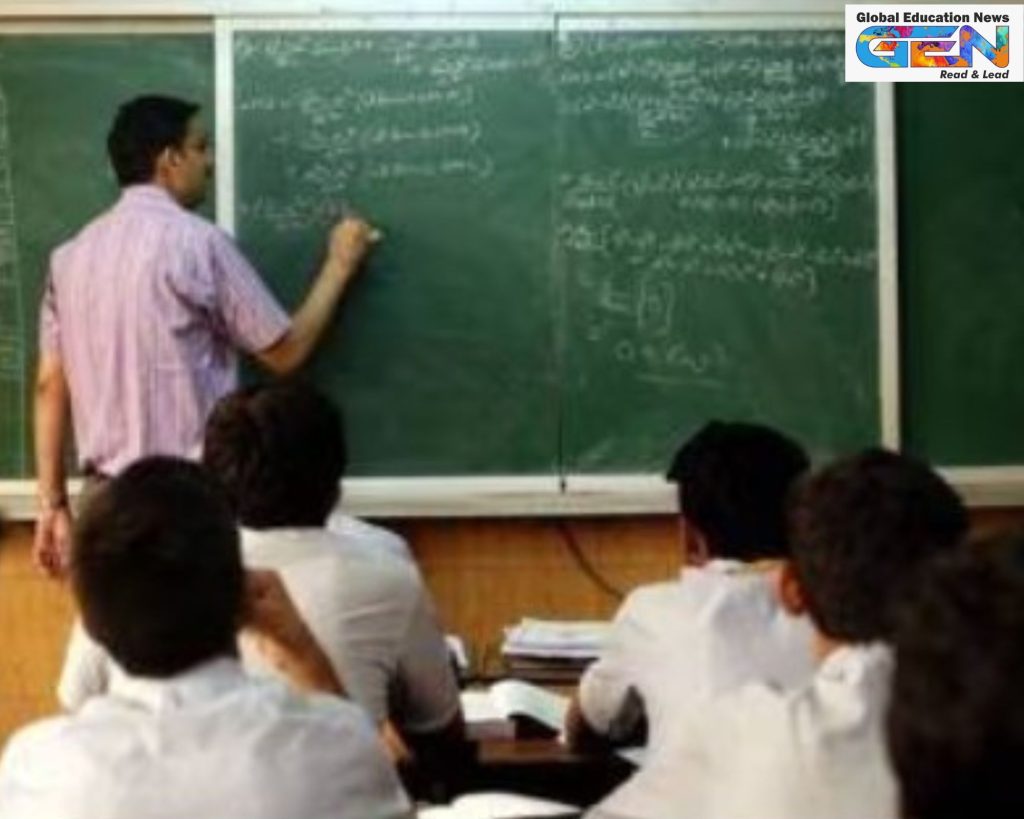
In a major push to elevate public schooling, Delhi Chief Minister Rekha Gupta has greenlit the appointment of 5,346 Trained Graduate Teachers (TGTs) for Classes 6 to 10 across all government and municipal corporation schools in the national capital. Announced on October 30, 2025, this initiative underscores the government’s commitment to fostering an inclusive, high-quality education ecosystem where every student receives tailored guidance and holistic development. By addressing teacher shortages in key subjects, the move aims to bridge gaps in personalized learning and boost academic outcomes in Delhi’s vast network of over 1,000 government schools.
Announcement Highlights
- Key Figure: 5,346 new TGT positions to be filled, targeting immediate deployment in government and municipal schools.
- Target Classes: Exclusively for middle and secondary levels (Classes 6-10), focusing on foundational and skill-building years.
- Official Source: Directorate of Education (DoE) under the Delhi government, with the announcement shared by CM Rekha Gupta on X (formerly Twitter).
- Broader Vision: Emphasizes creating a “world-class education system” that nurtures student potential through expert mentorship and resource-rich environments.
Vacancy Breakdown by Category
The recruitment drive prioritizes equitable representation across social categories, ensuring diverse hiring to reflect Delhi’s demographic mosaic.
- Unreserved (UR): 2,070+ positions, forming the largest share for general merit candidates.
- Other Backward Classes (OBC): 1,601 vacancies, supporting affirmative action for underrepresented groups.
- Scheduled Castes (SC): 642 posts, aimed at enhancing access for historically marginalized communities.
- Scheduled Tribes (ST): 214 opportunities, addressing niche equity needs.
- Economically Weaker Section (EWS): 819 slots, extending benefits to low-income families beyond reserved categories.
Total vacancies exceed 5,000, with exact figures subject to final DoE confirmation post-application scrutiny.
Subjects and Eligibility Criteria
- Core Subjects Covered: Mathematics, Hindi, Natural Science, Sanskrit, Urdu, Punjabi, and Drawing—essential for building competency in languages, sciences, and arts.
- Basic Qualifications: Candidates must hold a Bachelor’s degree in the relevant subject with at least 50% marks, plus a B.Ed. or equivalent teaching credential. Age limits typically range from 18-30 years (relaxations for reserved categories).
- Selection Process: Multi-stage involving written exams, skill tests (where applicable), and document verification by the Delhi Subordinate Services Selection Board (DSSSB).
- Focus Areas: Emphasis on trained graduates skilled in modern pedagogy, including digital tools and inclusive teaching methods to align with NEP 2020 goals.
Application Process and Timeline
- Portal: Online applications exclusively through the official DSSSB website (dsssb.delhi.gov.in).
- Application Window: Open immediately; closes on November 11, 2025, at 11:59 PM—applicants urged to apply early to avoid last-minute glitches.
- Fee Structure: Rs 100 (non-refundable) for general/OBC candidates; exemptions for SC/ST/PwD/EWS/women as per norms.
- Next Steps: Admit cards for exams expected in December 2025; written tests tentatively in early 2026, followed by interviews and appointments by mid-year.
- Support: Helpline and FAQs available on DSSSB site; candidates advised to upload scanned documents (photo, signature, certificates) accurately.
Expected Impact and Benefits
- For Students: Enhanced teacher-student ratios will enable personalized attention, reducing dropout rates and improving performance in competitive exams like NTSE or Olympiads.
- For Schools: Fills critical vacancies in understaffed institutions, particularly in municipal zones, leading to better curriculum delivery and extracurricular integration.
- Systemic Gains: Aligns with Delhi’s Sarvodaya School upgrades, promoting equity in education access; expected to raise overall literacy and skill levels in Classes 6-10.
- Official Quote: CM Rekha Gupta stated, “This will build an education system where every child gets quality education and guidance to realize their full potential.”
- Long-Term Outlook: Part of a larger 10,000+ teacher recruitment pipeline, signaling sustained investment in public education infrastructure.