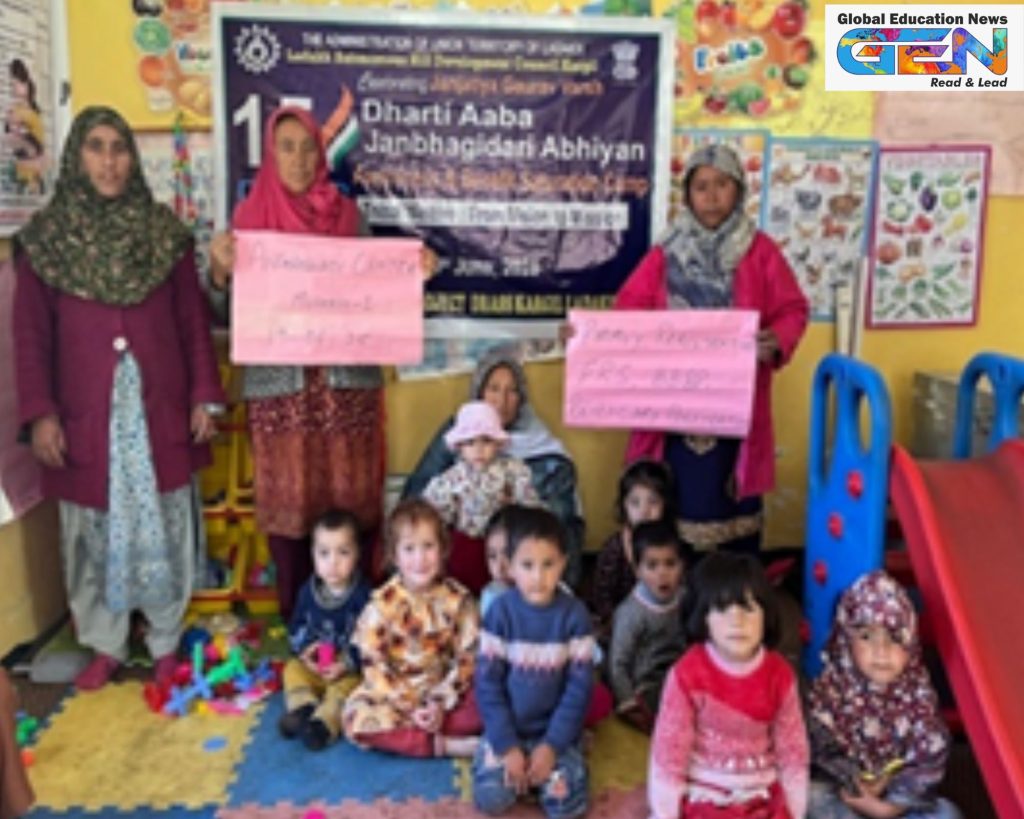
Imagine a movement so vast it touches over 1 lakh tribal villages, empowering more than 53 lakh tribal citizens in just nine days! That’s the Dharti Aaba Janbhagidari Abhiyan (DAJA) 2025, India’s largest-ever tribal outreach campaign, launched on June 15, 2025, by the Ministry of Tribal Affairs. Announced by Union Minister Jual Oram and celebrated widely on X, DAJA is a historic drive to uplift India’s Scheduled Tribes (STs) through inclusive governance and sustainable development. Here’s your vibrant guide to this game-changing initiative and how it’s reshaping tribal communities across 31 states and UTs!
DAJA 2025: A Historic Tribal Outreach Revolution
Named after the revered tribal leader Birsa Munda, DAJA 2025 is a flagship mission under the Janjatiya Gaurav Varsh, marking his 150th birth anniversary. This campaign is all about bringing government schemes to the doorsteps of tribal communities, ensuring no one is left behind.
- Key Points:
- Launch Date: June 15, 2025, by the Ministry of Tribal Affairs.
- Scale: Reached 53 lakh tribals through 22,000+ Tribal Empowerment Camps in just nine days.
- Coverage: Over 1 lakh tribal villages across 31 states/UTs.
- Goal: Holistic development through education, health, livelihoods, and cultural preservation.
- Leadership: Spearheaded by Union Minister Jual Oram and PM Narendra Modi’s vision for Viksit Bharat.
DAJA is a bold step toward inclusive growth, ensuring tribal voices are heard and empowered.
Why DAJA Matters: Empowering India’s Tribal Heart
India’s 10.45 crore Scheduled Tribe (ST) population, forming 8.6% of the nation (2011 Census), often lives in remote, forested, or hilly regions, facing challenges like limited access to education and healthcare. DAJA bridges these gaps with targeted interventions.
- Key Points:
- Socio-Economic Upliftment: Connects tribals to schemes like PM Janjati Adivasi Nyaya Maha Abhiyan (PM-JANMAN).
- Cultural Pride: Preserves tribal heritage while promoting modern opportunities.
- Inclusive Governance: Strengthens Gram Sabhas for local decision-making.
- Historic Reach: Unprecedented scale, touching even remote areas like Kamjong Hill District.
- Public Sentiment: X posts hail DAJA as a “transformative movement” for tribal empowerment.
This campaign is a lifeline for tribal communities, aligning with India’s vision of a developed nation by 2047.
Key Initiatives Under DAJA 2025
DAJA isn’t just a campaign—it’s a powerhouse of schemes designed to transform tribal lives across multiple sectors.
- Key Points:
- Education: Expands Eklavya Model Residential Schools (EMRS) to boost literacy and employment.
- Health: Swasthya Portal monitors tribal health; Sickle Cell Anaemia Elimination Programme screens millions.
- Livelihoods: Van Dhan Vikas Kendras promote sustainable income through minor forest produce.
- Land Rights: Distributes land titles under the Forest Rights Act (FRA) to secure ancestral lands.
- Connectivity: Links tribal villages to government services via awareness camps and digital platforms.
These initiatives ensure tangible improvements in tribal living standards, from classrooms to clinics.
Empowering Tribal Communities: The DAJA Way
DAJA leverages community participation and government collaboration to drive change, focusing on Janbhagidari (people’s participation).
- Key Points:
- Grassroots Engagement: Over 22,000 camps held to educate tribals about their rights and benefits.
- PESA Empowerment: Strengthens Panchayats (Extension to Scheduled Areas) Act for local governance.
- Women’s Role: Promotes tribal women’s empowerment through skill-building and leadership roles.
- Youth Focus: Encourages education and skilling for tribal youth to join mainstream opportunities.
- Sustainability: Integrates tribal knowledge, like organic farming, into modern practices.
DAJA’s participatory approach ensures tribals are active stakeholders in their development.
Challenges Addressed: Bridging the Gap
Tribal communities often face land displacement, limited education, and healthcare disparities. DAJA tackles these head-on with strategic interventions.
- Key Points:
- Land Rights: Counters displacement by securing land titles, inspired by movements like Pathalgadi.
- Education Access: Reduces dropout rates with EMRS and scholarships for tribal students.
- Healthcare Reach: Expands medical infrastructure in remote areas via mobile clinics and the Swasthya Portal.
- Economic Inclusion: Creates jobs through Van Dhan Kendras and skill development.
- Conflict Resolution: Addresses historical tensions by empowering local governance.
These efforts aim to uplift the 705 distinct tribal groups across India’s 15% geographical area.
Key Milestones and Timeline
DAJA’s rapid progress and ambitious goals make it a movement to watch. Here’s the timeline:
- Key Points:
- Launch: June 15, 2025, during Janjatiya Gaurav Varsh.
- Initial Impact: Reached 53 lakh tribals by June 24, 2025, via 22,000+ camps.
- Ongoing Camps: Continues across 1 lakh villages through 2025.
- Long-Term Vision: Aligns with India’s Fifteen-Year Vision (2017–2032) for tribal development.
- Updates: Track progress on tribal.nic.in or pib.gov.in.
DAJA’s momentum is building a brighter future for tribal communities at lightning speed.
How to Engage with DAJA 2025
Want to support or learn more about this transformative campaign? Here’s how to get involved:
- Key Points:
- Visit tribal.nic.in or pib.gov.in for official updates and scheme details.
- Follow @PIB_MoTA or @TribalAffairsIn on X for real-time news.
- Contact local Gram Sabhas or District Tribal Welfare Offices for participation.
- Share DAJA’s story to amplify its reach and inspire others.
- Volunteer with NGOs partnered with the Ministry of Tribal Affairs for grassroots impact.
Your engagement can make a difference in this historic movement!
DAJA 2025: A Beacon of Hope for Tribal India
The Dharti Aaba Janbhagidari Abhiyan (DAJA) 2025 is rewriting the story of India’s tribal communities, bringing education, health, and livelihoods to over 1 lakh villages. Launched on June 15, 2025, this campaign, backed by the Ministry of Tribal Affairs, is a testament to India’s commitment to inclusive growth and cultural preservation. With 53 lakh tribals already reached in just nine days, DAJA is a movement of pride, progress, and possibility. Share this guide, join the conversation on X, and let’s celebrate the power of tribal empowerment in building a Viksit Bharat!