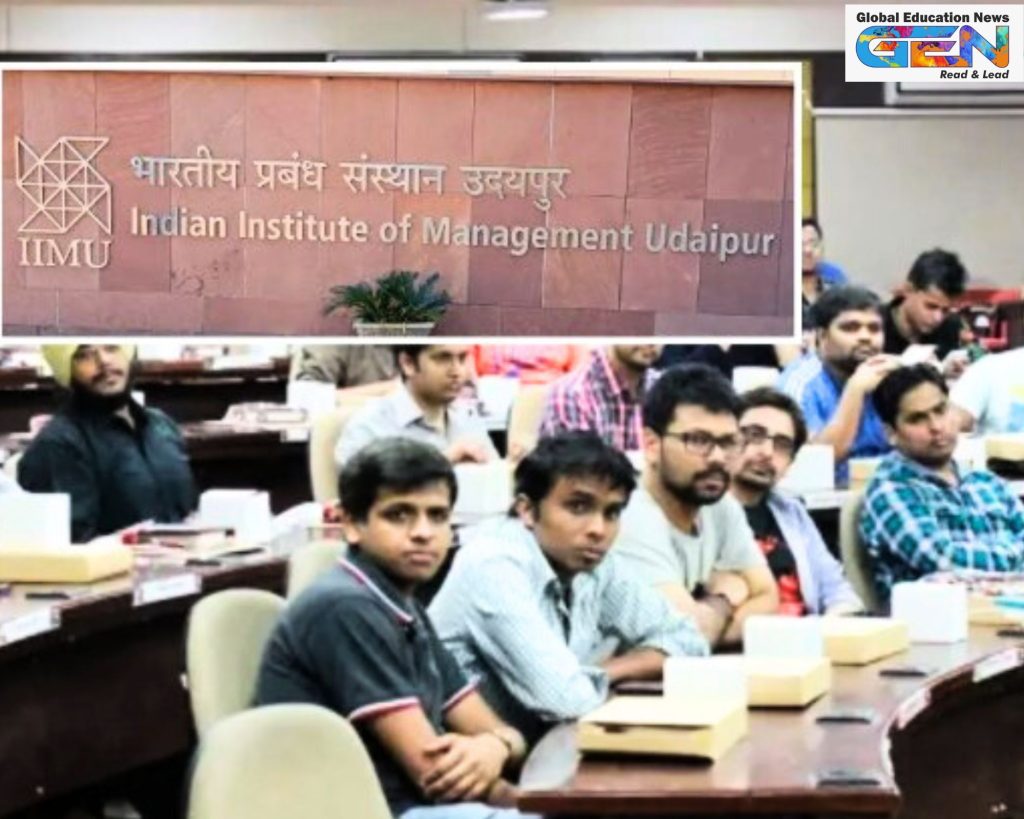
IIM Udaipur’s upcoming online Bachelor of Business Administration (BBA) program, set to debut in July 2026 as India’s first management degree in a regional language. But as this bilingual trailblazer eyes inclusivity for Hindi-medium grads sidelined by fluency hurdles and sky-high cut-offs, a storm of skepticism brews among faculty. Is this a game-changer for IIM Udaipur BBA Hindi dreams, or a risky detour from global standards? Let’s unpack the promise, pitfalls, and pulse of this online BBA program 2026 shake-up.
The Bold Blueprint: What Makes This Hindi BBA a First-of-Its-Kind?
IIM Udaipur isn’t just dipping toes – it’s diving headfirst into multilingual management education, syncing with the National Education Policy (NEP) 2020’s call for Indian languages in higher ed. Here’s the lowdown on the program’s nuts and bolts:
- Launch Timeline: Kicks off in the 2026-27 session, targeting learners historically boxed out by English dominance and residential costs – think rural Hindi speakers eyeing business without the language leap.
- Bilingual Flex: Students pick Hindi or English as their medium, with content weaving both for seamless switches – no more “lost in translation” vibes.
- Blended Learning Magic: A four-year sprint with 40 courses (60 hours each): 30 hours of star-studded video lectures from IIM faculty and guest pros, plus 30 hours of live online sessions for that interactive spark.
- Inclusivity Edge: Aimed at democratizing access, it could swell enrollment from underrepresented pockets, turning management education in Hindi into a viable ramp for diverse talents.
This isn’t fluff – it’s a calculated push to make elite IIM doors swing wider, potentially inspiring a wave of regional-language programs nationwide.
Faculty Fireworks: Why Experts Are Sounding the Alarm
Cheers for change? Sure, but not without caveats. Seasoned profs and insiders are waving red flags, arguing the rush to Hindi overlooks gritty realities in curriculum and career paths. Key gripes include:
- Textbook Black Hole: Zero standard management tomes in Hindi means students scramble for scraps – a retired IIM veteran quipped, “There are no standard management textbooks in Hindi, which makes it challenging for students to access study materials.”
- Teaching Tango Tangles: Most faculty hail from English-heavy worlds; flipping to Hindi demands retraining, risking diluted delivery on complex concepts like finance or strategy.
- Placement Perils: Will corporates bite on Hindi-trained grads? Doubts loom that recruiters favor English fluency, potentially dooming job hunts and denting the program’s pull – unless IIM Udaipur forges fresh industry ties.
- Quality Quandary: Without robust resources, this could slide into subpar standards, echoing broader fears that good intentions might fizzle without follow-through.
These aren’t sour grapes – they’re a reality check, spotlighting the chasm between policy passion and practical prep in Hindi BBA program India.
Echoes from the Establishment: IIM Udaipur’s Stance and Broader Ripples
So far, the institute’s holding steady, framing this as a NEP-aligned innovation to bridge urban-rural divides and boost enrollment diversity. No official rebuttals to the critiques yet, but whispers suggest pilot tweaks and partnerships for Hindi content creation. Zoom out, and this saga mirrors India’s linguistic leap: From IITs experimenting with regional undergrads to govt mandates for multilingual campuses, it’s a cultural shift shaking up IIM online BBA 2026.
- Upside Potential: Success here could spawn Hindi MBAs, empowering millions and aligning with “Viksit Bharat” by nurturing homegrown leaders.
- Downside Drags: If placements flop or quality dips, it risks reinforcing stereotypes about non-English paths, stalling momentum for inclusive ed.
Stakeholders are watching: Will this be a beacon or a bust?