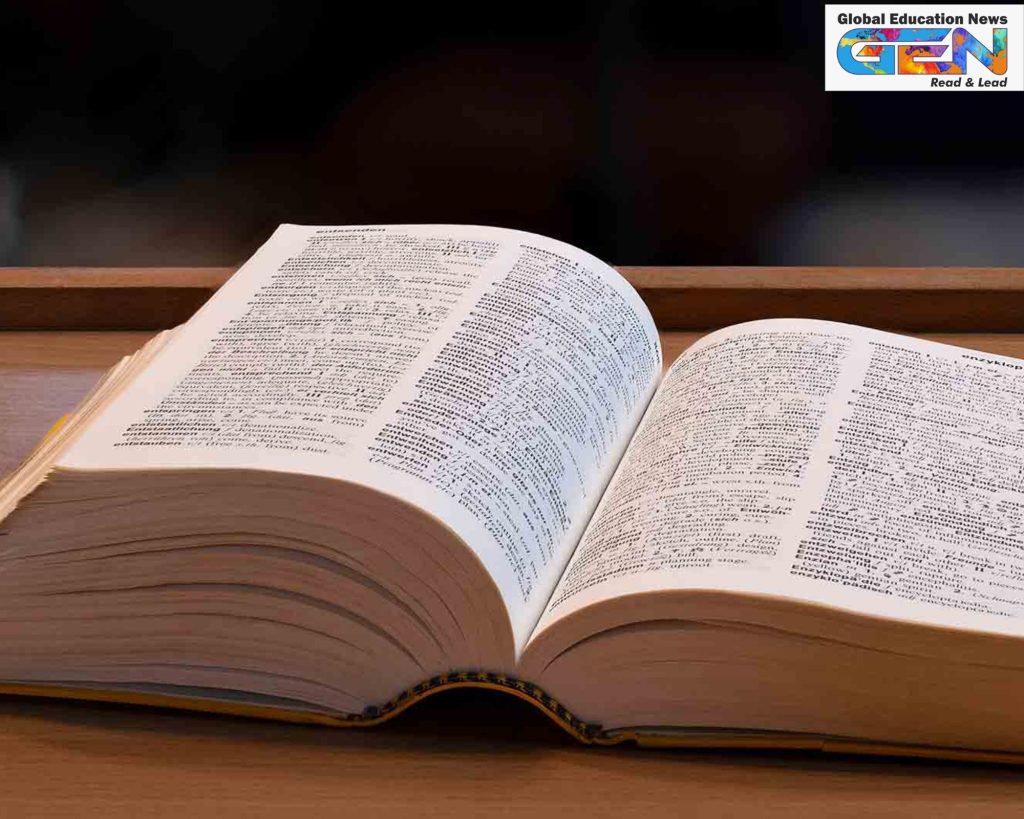
On August 18, 2025, the Cambridge Dictionary announced the addition of over 6,000 new words, phrases, and meanings, reflecting the dynamic influence of internet culture on the English language. From the playful “skibidi” to the controversial “tradwife” and tech-inspired “mouse jiggler,” these terms capture the pulse of modern society. Colin McIntosh, Lexical Programme Manager at Cambridge Dictionary, notes, “Internet culture is changing the English language, and the effect is fascinating to observe and capture in the dictionary.” This update, drawn from the Cambridge English Corpus, showcases how social media, remote work, and global trends shape our lexicon.
- Key Points:
- Over 6,000 new words added to the Cambridge Dictionary in 2025.
- Terms like “skibidi,” “tradwife,” and “mouse jiggler” reflect digital and cultural shifts.
- Cambridge English Corpus tracks word usage across 2 billion words.
Skibidi: The Viral Gibberish Sensation
“Skibidi,” a term popularized by the YouTube series Skibidi Toilet, is a versatile slang word meaning “cool,” “bad,” or used as a humorous filler with no real meaning. Its rise, fueled by Gen Alpha’s digital culture, was amplified when Kim Kardashian shared a video of a necklace engraved with “Skibidi Toilet” gifted by her daughter. Phrases like “What the skibidi are you doing?” have entered mainstream use, showcasing its playful flexibility.
- Key Points:
- Coined by Skibidi Toilet YouTube series, popular among Gen Alpha.
- Means “cool,” “bad,” or used jokingly without meaning.
- Gained traction through celebrities like Kim Kardashian.
Tradwife: Embracing Traditional Roles
The term “tradwife,” short for “traditional wife,” refers to a married woman who embraces traditional gender roles, focusing on homemaking, cooking, cleaning, and childcare, often showcased on social media. Popularized by influencers like Hannah Neeleman of @ballerinafarm, dubbed the “queen of tradwifery,” this controversial trend reflects a growing Instagram and TikTok movement. The term sparks debate over its celebration of traditional values versus modern gender dynamics.
- Key Points:
- Describes women prioritizing homemaking, often shared on social media.
- Linked to influencers like Hannah Neeleman with over 10 million followers.
- Reflects a polarizing trend embracing traditional gender roles.
Mouse Jiggler: The Remote Work Hack
Born from the rise of remote work post-pandemic, “mouse jiggler” refers to a device or software that simulates computer activity to make it appear as though a user is working. This term captures the evolving dynamics of workplace technology, where employees seek to bypass monitoring systems, highlighting both ingenuity and ethical debates in remote work culture.
- Key Points:
- Device or software to mimic activity in remote work settings.
- Emerged due to increased remote work since the pandemic.
- Raises questions about workplace accountability and technology.
Other Notable Additions
The 2025 update includes other vibrant terms shaped by digital and social trends:
- Delulu: A playful take on “delusional,” meaning believing in unrealistic ideas, often by choice. It gained prominence in Australian politics when Prime Minister Anthony Albanese used “delulu with no solulu” in a 2025 speech.
- Lewk: A stylized version of “look,” referring to a unique, often bold fashion style, popularized by RuPaul’s Drag Race.
- Inspo: Short for “inspiration,” often used for internet content that sparks ideas, like fitness tips from influencer Alaya F.
- Broligarchy: A blend of “bro” and “oligarchy,” describing powerful, wealthy men in tech, such as Jeff Bezos and Elon Musk, noted at Trump’s 2025 inauguration.
- Forever Chemical: Harmful chemicals persisting in the environment, reflecting growing climate concerns.
- Key Points:
- “Delulu” tied to Gen Z slang and political discourse.
- “Lewk” and “inspo” highlight fashion and motivational trends.
- “Broligarchy” critiques tech elites; “forever chemical” addresses environmental issues.
The Role of the Cambridge English Corpus
The Cambridge Dictionary relies on the Cambridge English Corpus, a database of over 2 billion words, to track how terms like “skibidi” and “tradwife” are used across contexts. This ensures only words with “staying power” are added, as McIntosh emphasizes, making the dictionary a living reflection of linguistic evolution driven by social media and global trends.
- Key Points:
- Corpus tracks word usage across 2 billion spoken and written words.
- Ensures only enduring terms are added to the dictionary.
- Captures the influence of social media and cultural shifts.
Why These Words Matter
The inclusion of terms like “skibidi,” “tradwife,” and “mouse jiggler” reflects the rapid evolution of English, driven by Gen Z and Gen Alpha’s digital culture. These words capture societal shifts—remote work challenges, traditionalist movements, and playful online slang—offering a snapshot of 2025’s cultural landscape. McIntosh’s team ensures these additions are not fleeting trends but terms with lasting impact, reshaping how we communicate.
- Key Points:
- Reflects Gen Z and Gen Alpha’s influence on language.
- Captures trends in remote work, social media, and cultural debates.
- Ensures lasting relevance through rigorous selection criteria.