The Common Admission Test (CAT) 2025, scheduled for November 24, 2025, isn’t just about cracking quant puzzles or verbal marathons anymore. As India’s premier gateway to MBA programs, CAT admissions have undergone a profound shift over the past five years, with top B-schools like IIMs and XLRI now seeking multifaceted leaders equipped for an AI-driven world. Beyond raw percentiles (typically 95+ for calls), evaluators zero in on holistic profiles: academic consistency, work experience, Written Ability Test (WAT), Personal Interview (PI), and soft skills like critical thinking, ethical decision-making, and—crucially—digital literacy and AI awareness. This analysis, drawing from expert perspectives, reveals how these tech-savvy traits are tipping the scales, empowering candidates to navigate real-world complexities in business education.
Core Shifts in B-School Evaluation: From Scores to Skills
B-schools are redefining “merit” to mirror the demands of a digital economy, where AI influences everything from supply chains to strategy. The focus? Well-rounded aspirants who blend intellect with adaptability.
- Holistic Screening Process: Initial shortlists rely on CAT scores, but final selections hinge on WAT/PI performance, where candidates dissect case studies involving AI ethics or data-driven dilemmas. Academic transcripts and diverse experiences (e.g., internships in fintech) add depth.
- Rise of Non-Quant Metrics: With over 3 lakh CAT takers annually vying for 5,000+ seats at top institutes, 60-70% weightage now goes to interviews assessing maturity and clarity—qualities honed through real-world exposure, not just mock tests.
This evolution aligns with the National Education Policy (NEP) 2020’s emphasis on interdisciplinary skills, positioning MBA grads as agile innovators amid India’s $5 trillion economy push.
Digital Literacy and AI Awareness: Must-Have Credentials for CAT 2025
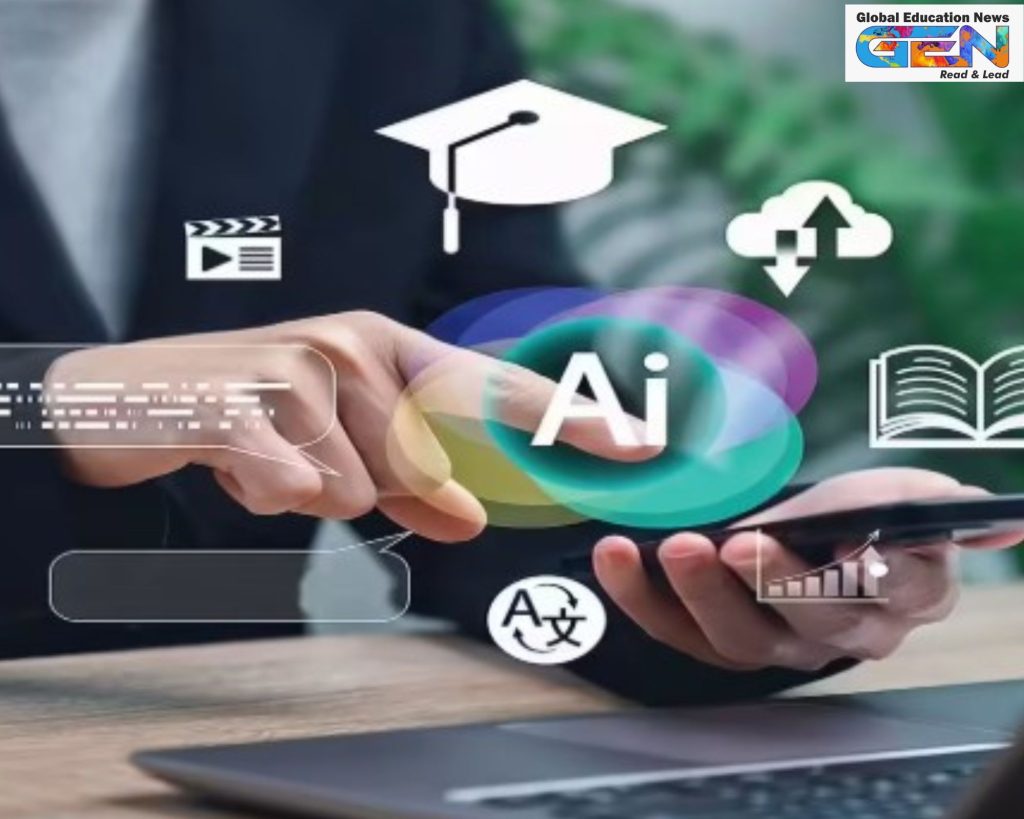
At the heart of this transformation is a premium on tech fluency—not coding prowess, but strategic acumen in leveraging AI tools for decision-making.
- What Counts as Digital Literacy?: Proficiency in digital ecosystems, including data analytics, cybersecurity basics, and AI applications in business (e.g., predictive modeling for marketing). B-schools probe this via PI questions like, “How would AI reshape your sector’s ethics?”
- AI Awareness in Action: Evaluators seek candidates who grasp AI’s implications—bias mitigation, automation’s job impacts—without needing PhD-level expertise. It’s tested through scenario-based WAT prompts, rewarding logical, forward-thinking responses.
- Integration in Curriculum: Post-admission, programs at IIM Bangalore or ISB weave AI modules into core courses, but admissions favor those already demonstrating curiosity, like via online certifications (Coursera/Google AI Essentials) or hackathon participation.
Experts note that digitally literate candidates stand out in a pool where 40% lack basic AI exposure, per recent surveys—turning potential red flags into green lights.
Expert Insights: Voices from the Admission Frontlines
Industry academics underscore the urgency of these skills, viewing them as differentiators in a hyper-competitive arena.
- Himanshu Goel, Assistant Professor of Finance, JIMS Rohini: “Critical thinking and problem-solving—core to CAT’s Data Interpretation & Logical Reasoning (DILR) section—are amplified by digital literacy. In WAT/PI, we assess how candidates apply AI and data strategies to real scenarios, not just theorize. This, alongside ethics and emotional intelligence, separates the pack—think discussing AI’s role in sustainable finance.”
- Broader Consensus: Leaders from FMS Delhi and MDI Gurgaon echo that leadership (e.g., leading AI-driven projects) and resilience (adapting to tech disruptions) are probed via behavioral questions, while global awareness—tracking trends like GenAI regulations—sharpens profiles.
These views highlight a consensus: In CAT 2025, AI-savvy isn’t optional; it’s the edge for ethical, innovative leaders.
| Competency | Assessment Method | Why It Matters for B-Schools |
|---|---|---|
| Digital Literacy | PI scenarios on data tools/AI ethics | Preps for AI-integrated roles in consulting/fintech |
| AI Awareness | WAT essays on tech trends | Signals foresight in disruptive industries |
| Critical Thinking | DILR + group exercises | Tackles ambiguous business challenges |
| Ethics & Leadership | Experience-based questions | Builds responsible, team-oriented executives |
| Resilience | Stories of setbacks | Ensures adaptability in volatile markets |
Preparation Roadmap: Building Your AI-Ready Profile for CAT 2025
With results out by early 2026, aspirants have a window to amplify their tech quotient—starting now.
- Skill-Building Tactics: Dive into free resources like edX’s AI for Business or Khan Academy’s data literacy modules. Simulate PI with prompts on “AI’s ethical pitfalls in hiring.”
- Holistic Profile Polish: Document initiatives—e.g., volunteering for digital inclusion drives—to showcase ethics. Network via LinkedIn for AI mentorships; aim for 2-3 certifications by interview season.
- Exam-Day Edge: Strengthen DILR with AI-themed puzzles (e.g., algorithmic case studies). Practice articulating how digital tools enhanced past projects.
Candidates investing 20-30 hours weekly in these areas could boost call conversion rates by 15-20%, per coaching insights.