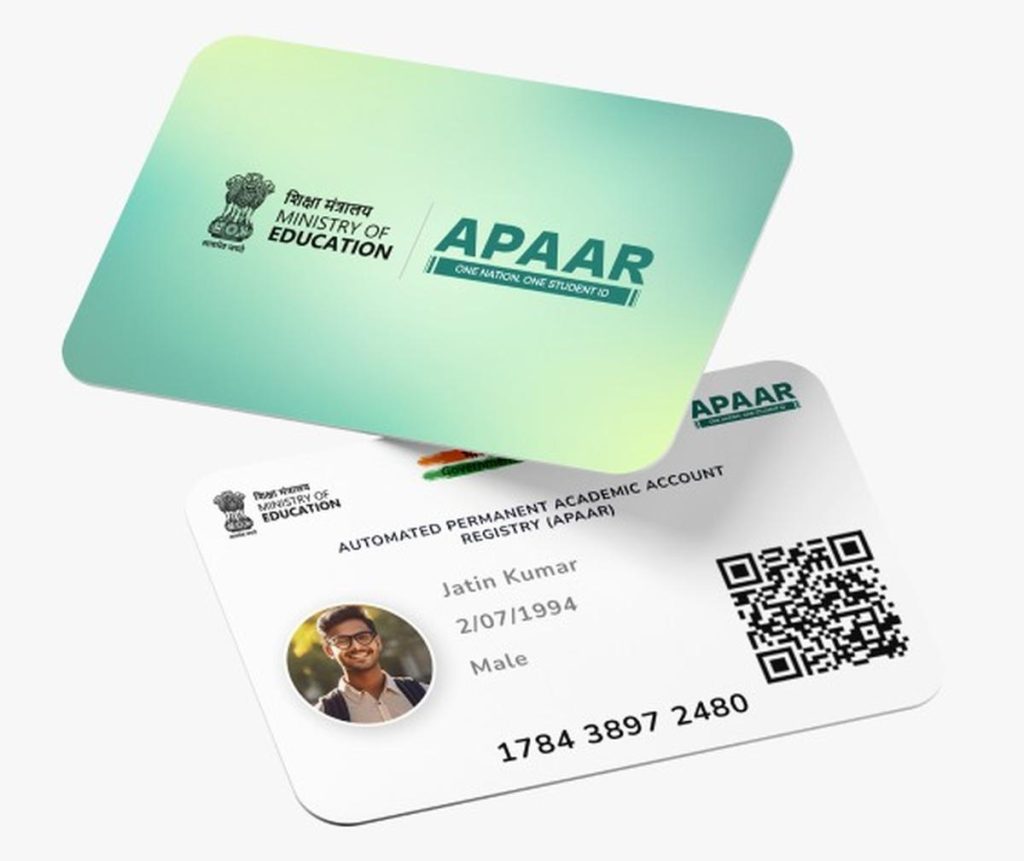
As India accelerates its digital transformation under the National Education Policy (NEP) 2020, Maharashtra is setting a precedent by mandating the Academic Personal Academic Record (APAAR) ID for all Secondary School Certificate (SSC) and Higher Secondary Certificate (HSC) examinations in 2026. This 12-digit unique identifier, integrated with DigiLocker, promises to eliminate paperwork hassles, secure academic records, and enhance access to opportunities for over 31.5 crore students nationwide. With registrations urged immediately to avert delays, this move aligns with the National Credit and Qualifications Framework (NCRF), fostering a paperless ecosystem that could redefine admissions, scholarships, and verifications. This in-depth analysis explores the mandate’s mechanics, merits, and milestones, drawing from state board directives and national policy insights to equip students, educators, and parents for the shift.
What is APAAR ID? Core Features and National Rollout
Introduced in 2023 as a cornerstone of NEP 2020, APAAR ID functions as a lifelong digital passport for academic achievements, consolidating records from pre-primary to higher education.
- Unique Structure: A 12-digit alphanumeric code linked to Aadhaar, enabling secure storage of credits, qualifications, and credentials in a centralized repository.
- Integration with DigiLocker: Hosts digital marksheets, certificates, and results, accessible via app or web—replacing fragile physical documents prone to loss or forgery.
- National Scale: Over 31.5 crore IDs issued by the Ministry of Education, covering 90%+ of school students; supports interoperability across boards and institutions.
- Key Enablers: Built on blockchain-like security for tamper-proof records, aligning with NCRF for credit-based learning and mobility.
This framework transforms education from siloed transcripts to a dynamic, verifiable portfolio, empowering learners in a globalized job market.
Implementation Timeline: From Mandate to Exam Day in Maharashtra
The Maharashtra State Board of Secondary and Higher Secondary Education (MSBSHSE) has issued clear directives for seamless adoption, targeting the 2026 board cycle.
- Immediate Action Required: Registrations open now (as of December 2025); schools, junior colleges, and divisional boards must coordinate with students and parents to complete APAAR linking by early 2026 to avoid exam disruptions.
- Exam Integration: Mandatory for SSC (Class 10) and HSC (Class 12) exams in February–March 2026; hall tickets and results will be tied exclusively to APAAR for verification.
- Post-Exam Rollout: Digital marksheets available instantly on DigiLocker post-results; physical copies optional but discouraged for efficiency.
- Phased Expansion: Initial focus on board exams, with plans to extend to internal assessments and higher education admissions by 2027.
This timeline ensures a buffer for tech onboarding, with helplines and workshops slated for January 2026 to address queries.
Key Benefits: Empowering Students and Streamlining Systems
The mandate heralds a host of advantages, from administrative ease to lifelong learner support, positioning Maharashtra as a digital education frontrunner.
- For Students: Instant access to results and marksheets via mobile; no more scrambling for lost documents during college applications or job hunts—saving time and costs.
- Admission Efficiency: Higher education institutions can verify credentials in seconds through DigiLocker, slashing processing delays by 70-80% and reducing forgery risks.
- Scheme Accessibility: Links to scholarships, welfare programs, and skill certifications; e.g., seamless eligibility checks for PM Vidya Lakshmi or state aids.
- Systemic Gains: Promotes transparency and accountability; educators report 50%+ reduction in paperwork, freeing resources for teaching innovations.
As board secretary Deepal Mali noted, “This will significantly reduce the need for students to repeatedly submit physical copies of marksheets while seeking admission to higher education institutions.”
Potential Challenges: Preparation and Mitigation Strategies
While transformative, the shift demands proactive measures to ensure inclusivity, especially in rural and low-connectivity areas.
- Registration Hurdles: Risk of last-minute rushes; institutions must drive awareness campaigns, with 100% compliance targeted by January 2026.
- Digital Divide: Limited internet access in remote Maharashtra districts; state plans offline registration drives and Aadhaar-APAAR kiosks at schools.
- Privacy Concerns: Robust data encryption addresses fears, but parental consent forms will emphasize opt-in security features.
- Support Mechanisms: Toll-free helplines (1800-xxx-xxx) and board portals for troubleshooting; pilot audits in high-enrollment districts like Pune and Mumbai.
Early adoption, as urged by Mali, mitigates these, turning potential pitfalls into teachable moments on digital literacy.
National Context and Broader Implications: A Blueprint for India
Maharashtra’s mandate mirrors a nationwide push, amplifying NEP 2020’s vision for equitable, tech-driven education.
- Policy Alignment: Complements One Nation One Student ID initiative; 15+ states (e.g., Karnataka, Uttar Pradesh) have piloted APAAR for boards, with full national rollout eyed by 2027.
- Economic Ripple: Could save ₹500-1,000 crore annually in printing and logistics; boosts employability by 10-15% through verifiable skills portfolios.
- Global Benchmarks: Echoes EU’s Europass and US’s NSLDS, positioning Indian credentials for international recognition in study/work visas.
- Future Horizons: Integration with AI-driven career counseling and credit banks, enabling micro-credentials for lifelong learning.
This positions India’s 26 crore school students at the forefront of EdTech equity.