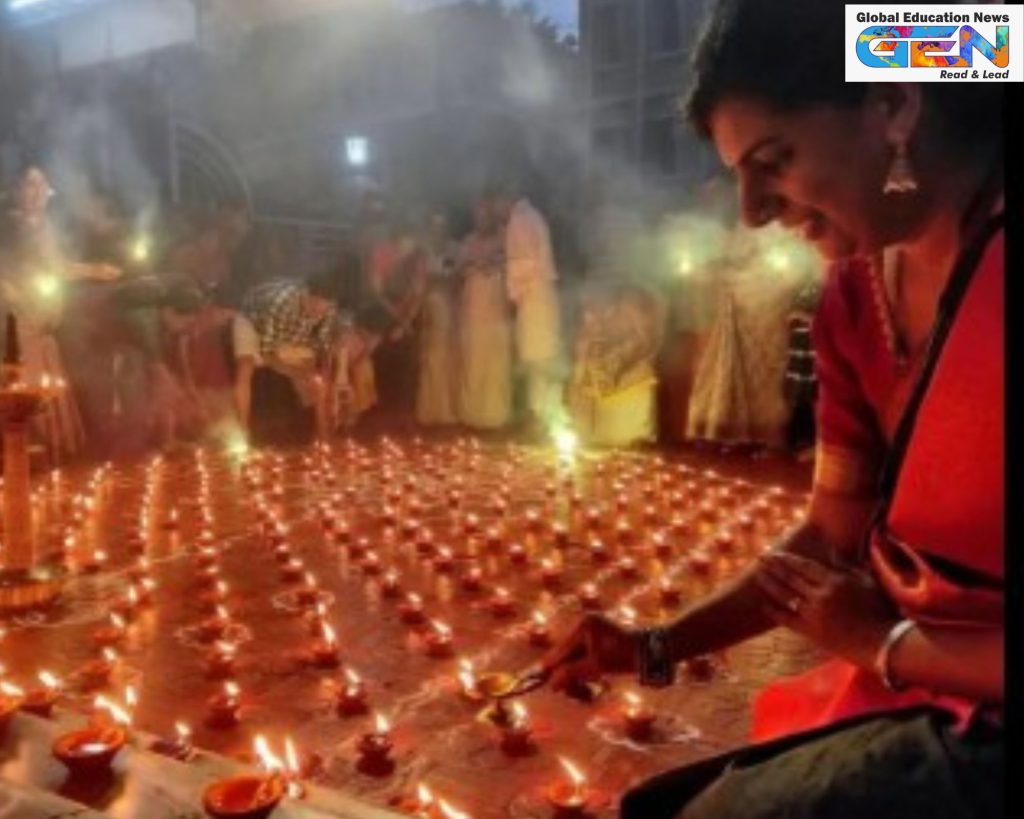
In a luminous celebration of shared human heritage, Deepavali—India’s vibrant Festival of Lights—was officially inscribed on UNESCO’s Representative List of the Intangible Cultural Heritage of Humanity on December 10, 2025, during the 20th session of the Intergovernmental Committee for the Safeguarding of the Intangible Cultural Heritage. Selected from 67 global nominations, this honor at the Red Fort in New Delhi, attended by Union Minister of Culture Gajendra Singh Shekhawat and UNESCO delegates, underscores Deepavali’s role as a unifying force that transcends borders, fostering joy, renewal, and community resilience. As the 16th Indian tradition to earn this distinction, it joins icons like yoga and Kumbh Mela, amplifying India’s soft power while safeguarding age-old practices amid modern challenges. This inscription not only celebrates Deepavali’s essence but also pledges global support for its transmission, ensuring its flame endures for generations.
Cultural Essence: Symbol of Light, Renewal, and Triumph
Deepavali, also known as Diwali, embodies the perennial victory of light over darkness and good over evil, marking the culmination of the harvest season, the dawn of a new lunar year, and the onset of winter in October or November. Rooted in diverse regional narratives—from Lord Rama’s return in Ayodhya to Goddess Lakshmi’s benevolence—this festival pulses with themes of prosperity, hope, and ethical living, drawing participants from all walks of life across India and its diaspora.
- Social Cohesion and Inclusivity: It reinforces intergenerational bonds, promoting values like kindness, gratitude, and generosity, while encouraging communal harmony through shared rituals that bridge castes, genders, and ages.
- Economic and Creative Sparks: The festivities bolster local artisans—potters shaping diyas (clay lamps), sweet-makers crafting mithai, and decorators weaving rangoli—contributing to sustainable livelihoods and cultural economies.
- Sustainable Development Ties: Aligned with UN SDGs, Deepavali advances gender equality via women’s roles in preparations, cultural education through storytelling, and community welfare by fostering environmental consciousness in eco-friendly celebrations.
UNESCO’s nod highlights Deepavali as a “living heritage,” evolving yet timeless, with its global diaspora sustaining traditions in Southeast Asia, Africa, the Gulf, Europe, and the Caribbean.
Rituals and Practices: A Symphony of Light and Joy
Spanning five days, Deepavali unfolds through a tapestry of sensory and spiritual acts, transmitted organically within families and amplified by temples, schools, and digital platforms.
- Preparation and Purification: Homes and public spaces are meticulously cleaned and adorned with rangoli (colorful floor art), flowers, and torans (door hangings), symbolizing the expulsion of negativity.
- Illumination and Reverence: The core ritual involves igniting diyas and candles at dusk, invoking prayers to deities for abundance; fireworks light the night sky, evoking triumph and festivity.
- Feasting and Fellowship: Families exchange gifts, sweets, and dry fruits, culminating in elaborate meals and gatherings featuring music, dance, and folk performances—spaces for storytelling where elders impart moral tales to the young.
- Regional Variations: From Dhanteras’ wealth invocations in the north to Naraka Chaturdashi’s demon-slaying in the south, practices adapt while preserving unity.
These elements, practiced by millions, cultivate hope and ethical reflection, with safeguarding efforts focusing on eco-conscious adaptations to curb pollution from fireworks.
India’s Heritage Pantheon: Deepavali as the 16th Jewel
This inscription elevates Deepavali within India’s constellation of 16 UNESCO-recognized intangible heritages, a testament to the nation’s diverse cultural mosaic. From ancient chants to rhythmic dances, these elements showcase living traditions that evolve with society.
| Element | Year Inscribed | Description Snapshot |
|---|---|---|
| Kutiyattam, Sanskrit theatre | 2008 | Ancient theatrical form from Kerala blending dance and dialogue. |
| Tradition of Vedic chanting | 2008 | Oral transmission of sacred Hindu texts across generations. |
| Ramlila, the traditional performance of the Ramayana | 2008 | Dramatic reenactments of epic tales in northern India. |
| Ramman, religious festival and ritual theatre of the Garhwal Himalayas | 2009 | Himalayan ritual honoring local deities through theater. |
| Chhau dance | 2010 | Martial folk dance from eastern India with masked performances. |
| Kalbelia folk songs and dances of Rajasthan | 2010 | Nomadic serpent-worship dances symbolizing heritage. |
| Mudiyettu, ritual theatre and dance drama of Kerala | 2010 | Goddess-centric ritual drama combating evil. |
| Buddhist chanting of Ladakh | 2012 | Sacred recitations preserving trans-Himalayan Buddhist texts. |
| Sankirtana, ritual singing, drumming and dancing of Manipur | 2013 | Devotional performances invoking divine presence. |
| Traditional brass and copper craft of utensil making among the Thatheras of Jandiala Guru, Punjab | 2014 | Artisan craft sustaining community livelihoods. |
| Navroz | 2016 | Parsi New Year celebrations blending Zoroastrian roots. |
| Yoga | 2016 | Ancient practice promoting physical, mental, and spiritual harmony. |
| Kumbh Mela | 2017 | World’s largest peaceful gathering for ritual bathing. |
| Durga Puja in Kolkata | 2021 | Elaborate Bengali festival honoring the divine feminine. |
| Garba of Gujarat | 2023 | Communal dance circling lamps during Navratri. |
| Deepavali | 2025 | Festival of lights celebrating renewal and unity. |
This roster, spanning rituals, arts, and crafts, reflects India’s commitment to preserving 5,000+ years of intangible wealth.
Voices of Pride: Leaders Illuminate the Moment
The inscription sparked nationwide jubilation, with leaders framing it as a bridge between ancient ethos and contemporary global ties.
- Prime Minister Narendra Modi: “People in India and around the world are thrilled. For us, Deepavali is very closely linked to our culture and ethos. It is the soul of our civilisation. It personifies illumination and righteousness. The addition of Deepavali to the UNESCO Intangible Heritage List will contribute to the festival’s global popularity even further.”
- Union Minister Gajendra Singh Shekhawat: Described it as a “moment of immense pride” for India and global communities, honoring the “collective cultural labour” of potters, artisans, farmers, sweet-makers, priests, and households. He credited the diaspora for spreading Deepavali’s spirit worldwide.
These sentiments echo a broader narrative of cultural diplomacy, with the event at the Red Fort symbolizing heritage’s living pulse.
Broader Horizons: Safeguarding Light for a Connected World
Deepavali’s global recognition promises amplified visibility, drawing tourists and fostering cross-cultural exchanges while incentivizing sustainable practices like biodegradable diyas. For India, it bolsters soft power—enhancing diaspora ties and economic ripples through artisanal trades—while UNESCO commitments ensure transmission via education and digital archives. Amid climate concerns, it inspires greener festivities, aligning with SDGs for equitable, hopeful futures.