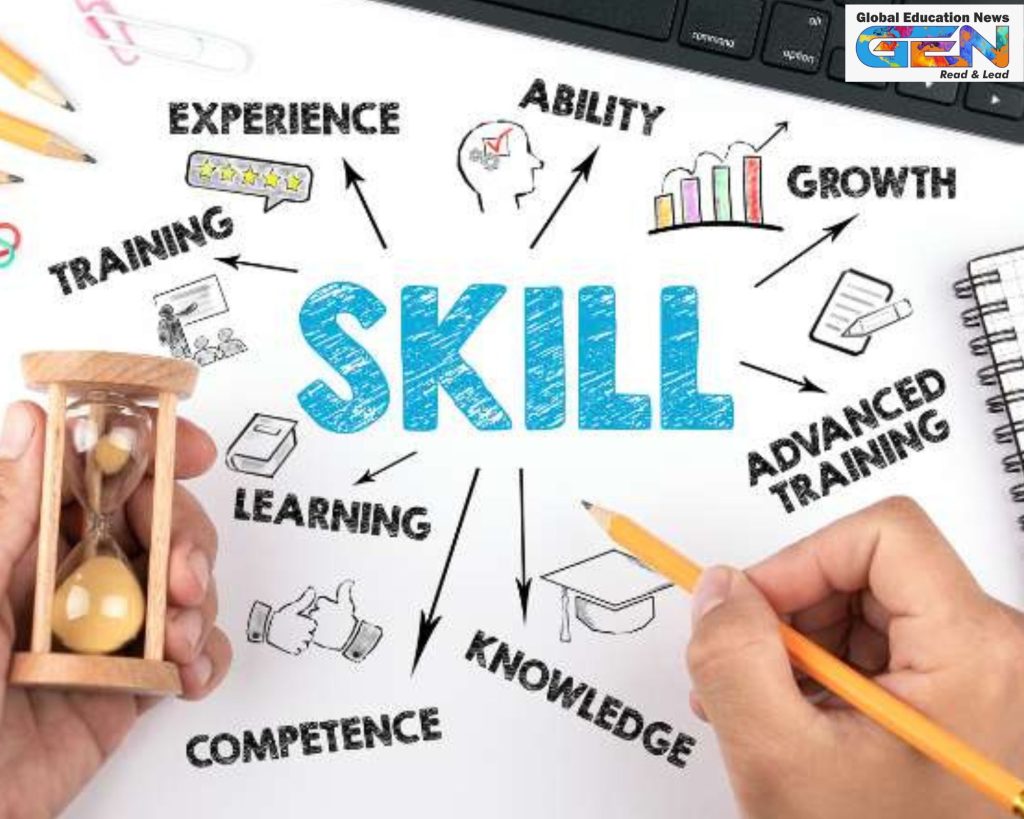
India’s education system is undergoing a seismic shift with the government’s plan to integrate skill-based learning into the Class 11 and 12 curriculum, as announced by Union Education Minister Dharmendra Pradhan at the Dakshinapatha Summit 2025 at IIT Madras. Rooted in the National Education Policy (NEP) 2020, this initiative aims to redefine learning by blending academic rigor with practical, real-world skills.
- Key Points:
- Aligns with NEP 2020’s vision for holistic education.
- Moves away from traditional rote learning to practical skill development.
- Prepares students for a competitive, skill-driven global economy.
Why Skills Are the Future
The traditional focus on degrees and certificates is no longer enough in today’s fast-evolving job market. As Minister Pradhan emphasized, education must make students competent, not just certified. Skill-based learning bridges the gap between theory and practice, equipping students with tools to thrive in fields like technology, entrepreneurship, and innovation.
- Key Points:
- Addresses the demand for workforce-ready skills in industries like AI and automation.
- Encourages critical thinking, problem-solving, and adaptability.
- Fosters entrepreneurial mindsets to create job creators, not just job seekers.
Transforming Classes 11 & 12
The introduction of skill-based education as a core subject in Classes 11 and 12 marks a departure from the optional, sidelined vocational courses of the past. Students will now engage with hands-on disciplines like coding, digital marketing, financial literacy, or sustainable practices alongside their academic studies.
- Key Points:
- Skills will be a formal part of the curriculum, not an elective.
- Offers diverse options tailored to students’ interests and career goals.
- Enhances employability by aligning education with industry needs.
Starting Young: Skills from Class 6
The government’s vision extends beyond senior secondary education. Plans are in motion to introduce skill-based learning as early as Class 6, fostering a culture of innovation and practical problem-solving from a young age. This early start ensures students develop a growth mindset and are ready for lifelong learning.
- Key Points:
- Skill education to be integrated from Class 6 onwards.
- Focuses on creativity, teamwork, and critical thinking.
- Makes learning more inclusive for diverse talents and aspirations.
Global Alignment, Local Impact
India’s push for skill-based education mirrors global trends, where countries prioritize vocational training and practical competencies. By collaborating with premier institutions like IITs, the government is crafting a curriculum that prepares students for Industry 4.0 and beyond, positioning India’s youth as global leaders.
- Key Points:
- Aligns with global education models emphasizing workforce readiness.
- Leverages partnerships with top institutions for curriculum design.
- Aims to produce innovators who can compete on a global stage.
Benefits for Students and Parents
This reform promises to make education more engaging and relevant. Students will work on real-world projects, gaining skills that give them a head start in their careers. For parents, it offers confidence that their children are being prepared for a dynamic job market with practical, in-demand skills.
- Key Points:
- Engages students with hands-on, project-based learning.
- Boosts confidence and career readiness.
- Aligns education with modern workforce demands.
Published on September 22, 2025, at 3:15 PM IST.