September 18, 2025
Delhi, India
Nepal’s Stormy Pivot: Gen Z Protests Ignite a Leadership Overhaul
Nepal’s streets erupted in fury starting September 8, 2025, when a government ban on social media platforms—meant to curb “nepo kids'” lavish lifestyles and alleged cronyism—backfired spectacularly. Led by tech-savvy Gen Z activists using Discord and Instagram for coordination, the anti-corruption demonstrations swelled into the deadliest unrest since 2008’s republican shift. Protesters torched Parliament, government offices, and politicians’ homes, leaving 72 dead, over 2,100 injured, and 12,500 prisoners escaped in the chaos. The backlash forced Prime Minister KP Sharma Oli’s resignation on September 10, dissolving Parliament and paving the way for an interim setup.
- Key Points:
- Spark: Social media blackout amid economic woes; protesters decried corruption, inequality, and elite favoritism.
- Toll: 72 fatalities (mostly youth-police clashes); Rs 5,000 crore in damages to infrastructure like Singha Durbar.
- Gen Z role: Teens and 20-somethings mobilized 100,000+ via apps; demanded “end to graft, good governance, economic equality.”
Sushila Karki: The Reluctant Heroine Backed by Youth and Justice
Enter Sushila Karki, Nepal’s 73-year-old former Chief Justice and first female PM, sworn in on September 12, 2025, after Gen Z leaders—via a viral Discord poll—nominated her as the anti-corruption icon to lead the interim charge. A trailblazer who shattered glass ceilings in the judiciary (Chief Justice 2016-2017), Karki’s tenure saw her defy political meddling, including overturning a crony police chief pick that sparked her impeachment bid. “I didn’t seek this; the streets called me,” she said in her debut address on September 14, pledging a six-month handover post-March 5, 2026 elections. Her cabinet, sworn September 15, features integrity-driven picks like Finance Minister Rameshwar Prasad Khanal and Home Minister Om Prakash Aryal.
- Key Points:
- Background: First woman Chief Justice; women’s rights advocate; faced impeachment for anti-graft rulings.
- Appointment: Backed by President Ram Chandra Paudel, Army Chief Ashok Raj Sigdel, and youth reps; non-MP status waived for interim role.
- Early moves: Compensation of 1 million NPR (~$7,500) per slain protester family; hospital visits to injured; curfew lift by September 13.
Modi’s Timely Outreach: Condolences, Support, and National Day Warmth
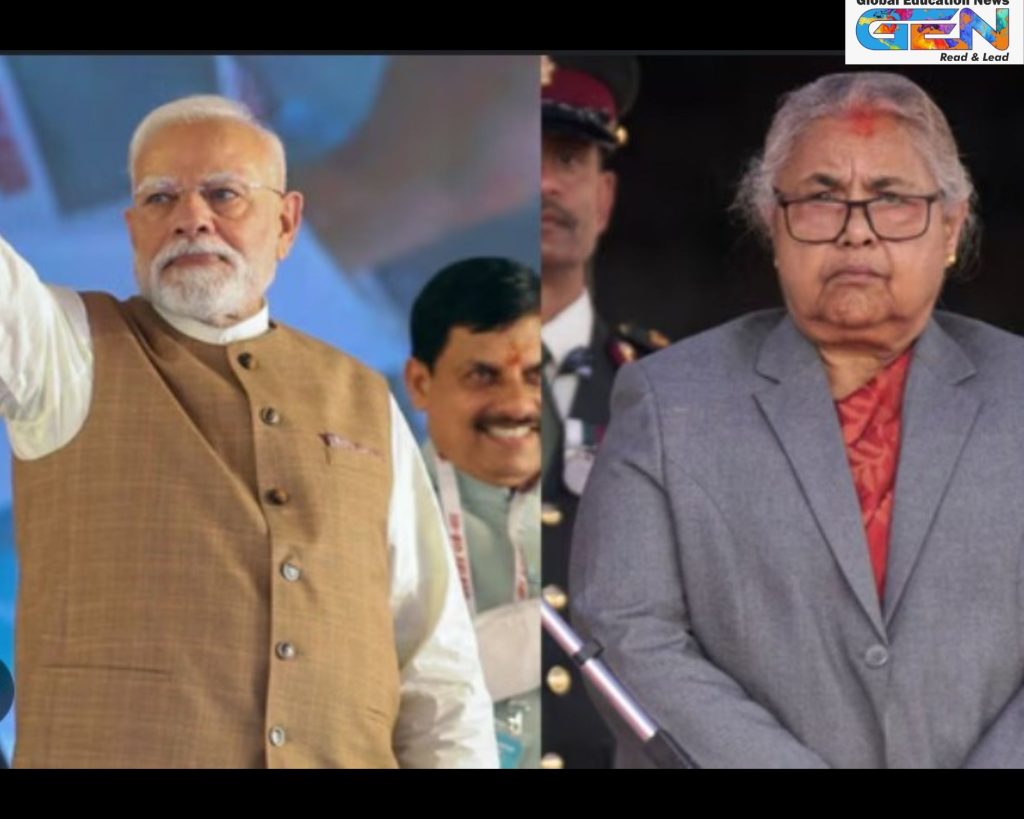
On September 18, 2025—mere days after Indian Ambassador Naveen Srivastava’s September 16 meet with Karki—PM Narendra Modi dialed Nepal’s new leader, his first direct chat since her swearing-in. In a 20-minute “warm conversation,” Modi offered “heartfelt condolences” for the tragedy, lauded Karki’s stability push, and reaffirmed India’s “steadfast support” for peace, reconstruction, and democratic polls. He capped it with greetings for Nepal’s National Day (September 20), underscoring cultural bonds via shared Hindu heritage and open borders. X erupted with praise: “Neighbourhood First in action,” tweeted @WIONews, while @htTweets highlighted Modi’s peace pledge.
- Key Points:
- Call highlights: Condolences for 72 deaths; backing for anti-corruption reforms; aid hints for rebuilding (e.g., Rs 500 crore package floated).
- Diplomatic sync: Follows Srivastava’s offer for infrastructure aid; echoes Modi’s September 14 statement on “peace, progress, prosperity.”
- X buzz: Posts from @NoNext_Question and @dhairyam14 amplify the “unwavering support” narrative; 1,000+ engagements on Modi’s tweet.
Indo-Nepal Ties: A Pillar of Stability in Turbulent Times
This call isn’t isolated—it’s a masterstroke in India’s “Neighbourhood First” playbook, especially with China eyeing Nepal’s hydropower and Belt-Road extensions. Post-protests, Beijing urged “steady ties,” but Modi’s proactive stance—offering medical aid for 500+ injured and engineering expertise for burned buildings—positions India as the go-to ally. Historical pacts like the 1950 Treaty and $1.5B annual trade (India supplies 65% of Nepal’s imports) get a boost, potentially fast-tracking projects like the Arun-3 hydro dam. Karki’s youth appeal aligns with India’s Gen Z diplomacy, fostering cross-border youth exchanges to counter radicalization.
- Key Points:
- Strategic edge: India aids 70% of Nepal’s reconstruction historically; contrasts China’s debt-trap concerns (e.g., Pokhara airport loans).
- Shared wins: Post-call, joint task force on border security; cultural tie-in via Lumbini-Buddha circuits.
- Challenges: 12,500 escapees strain bilateral security; economic aid to avert Nepal’s 8% inflation spike.
Road to Elections: Karki’s High-Wire Act and Nepal’s Gen Z Legacy
With Parliament dissolved until March 2026, Karki’s interim squad—tasked with audits, prisoner recaptures, and graft probes—walks a tightrope: Appease protesters without alienating Oli loyalists. Her September 14 vow: “Work per Gen Z thinking—end corruption, ensure equality.” International watchdogs demand “impunity’s end,” while rights groups hail the youth-led pivot as Nepal’s “democracy 2.0.” Success could inspire South Asia’s anti-graft waves; failure risks renewed chaos.
- Key Points:
- Timeline: Govern till March 5 polls; focus on 1,000+ damaged sites rebuild by December.
- Youth echo: Protesters’ Discord success story; Karki’s “from streets to suites” nod boosts her 80% approval.
- Global lens: UN calls for fair elections; India monitors to prevent Chinese sway.