September 18, 2025
Delhi, India
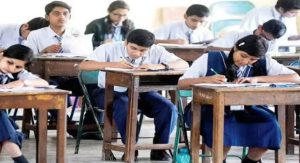
In the heart of Indore, Baxibagh Government Higher Secondary School, a historic hub for Urdu-medium education, is losing its linguistic soul. On September 18, 2025, retired teacher Nagma Rehman voiced a grim reality: “Parents don’t want their kids learning Urdu anymore—it’s seen as outdated.” With Hindi teachers replacing Urdu specialists and student preferences shifting, the school risks abandoning its original medium. This isn’t just Baxibagh’s story—it’s a microcosm of Urdu’s broader struggle across India’s 1.5 million schools, where only 2% offer Urdu as a primary language, down from 5% a decade ago.
- Key Points:
- Urdu’s decline: Enrollment in Urdu-medium schools dropped 30% since 2015; only 1.2 lakh students in 2024.
- Baxibagh case: Hindi teacher influx; Urdu textbooks scarce, forcing Google Translate reliance.
- Parental shift: 60% prefer English/Hindi for “better job prospects,” per CBSE surveys.
Policy Gaps and Teacher Shortages: The Core of the Crisis
Urdu’s classroom fade is no accident—it’s a tangle of missing teachers, outdated materials, and policy neglect. Seema Pathak, a Baxibagh teacher, admits leaning on Google Translate to teach science in Urdu, as only 8% of faculty in Urdu-medium schools are fully proficient in advanced subjects. Across India, just 4,500 Urdu teachers serve 2,000+ schools, a 40% shortfall per NCERT data. The National Education Policy (NEP) 2020, while championing multilingualism, sidestepped Urdu’s inclusion, leaving states like Rajasthan to axe it as a third-language option, sparking protests.
- Key Points:
- Teacher gap: 15,000 Urdu posts vacant nationwide; training programs lag for STEM subjects.
- Policy blow: Rajasthan removed Urdu from 300 schools; CBSE admission forms often omit Urdu option.
- Textbook woes: Only 20% of Urdu schools have updated science/commerce texts, per 2024 audits.
Historical Roots, Modern Woes: Urdu’s Cultural Weight vs. Identity Politics
Born in Delhi’s vibrant bazaars and Mughal courts, Urdu—once called Hindustani—wove poetry, governance, and culture into a rich tapestry. From Ghalib’s ghazals to colonial-era records, it was India’s bridge language. Yet, as JNU’s Anwar Pasha notes, “Urdu was burdened with identity politics, despite its inclusive roots.” Post-partition, its association with specific communities shrank its educational footprint, with only 1.8% of India’s 1.4 billion now claiming it as a mother tongue, down from 5% in 1991.
- Key Points:
- Historical peak: Urdu was India’s administrative lingua franca pre-1947; taught in 30% of schools in 1980s.
- Political hit: Linked to communal debates, reducing state funding by 25% since 2000.
- Cultural anchor: Still thrives in poetry, Bollywood (despite mispronunciations), and diaspora networks.
Revival on the Horizon: Institutions and Innovators Fight Back
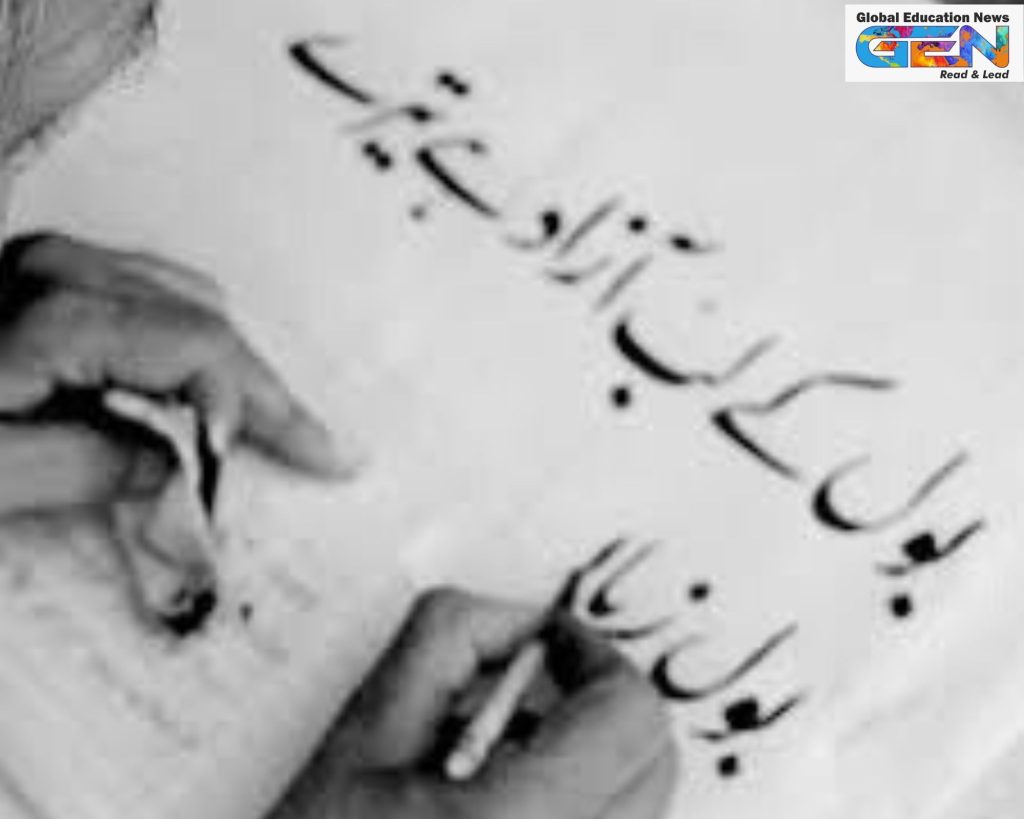
Hope isn’t lost. Universities like Jamia Millia Islamia, Aligarh Muslim University (AMU), and Maulana Azad National Urdu University (MANUU) are doubling down, adding 15% more Urdu faculty since 2023 and launching PhD programs. Delhi’s Urdu Academy rolled out calligraphy and online courses, with 10,000 enrollments in 2025 alone. States like Karnataka and Himachal Pradesh added Urdu to 200 schools, while Kolkata’s women’s colleges opened Urdu-medium streams, boosting female literacy by 12%. Digital creators like Mujtaba Khan, with 50,000 Instagram followers, remix Ghalib and Faiz for Gen Z, sparking 30% more engagement at literary fests.
- Key Points:
- Academic push: AMU’s Urdu research up 20%; MANUU’s online courses reach 5 lakh learners.
- State efforts: Karnataka’s 100 new Urdu schools; Delhi Academy’s free workshops draw 2,000 monthly.
- Digital surge: #UrduPoetry trends with 1M+ views; apps like Rekhta hit 10M downloads.
Job Prospects and Cultural Cachet: Urdu’s Untapped Potential
Despite the gloom, Urdu isn’t “bekar” (useless), insists AMU’s Prof. Mohamed Quamrul Hooda Faridi. Media, translation, and teaching jobs are rising—think Urdu newsrooms at BBC Hindi or dubbing for Netflix. Yet, government posts lag: only 1,200 Urdu teacher vacancies filled in 2024 vs. 12,000 for Hindi. Cultural roles, like archiving at Sahitya Akademi, grew 15%, and translators earn Rs 50,000-80,000 monthly. With 1,500+ Urdu publications and 200 festivals yearly, the language’s market is niche but vibrant.
- Key Points:
- Career paths: Media (5,000 jobs), translation (3,000+ gigs), teaching (2% of 60,000 posts).
- Growth areas: Digital content (YouTube, podcasts); heritage tourism needs Urdu guides.
- Challenge: Government jobs skewed; only 1% of UPSC language papers in Urdu.
The Road Ahead: Can Passion and Policy Save Urdu?
Urdu’s fate hinges on dual engines: grassroots zeal and smarter policy. Schools need 10,000 new teachers and Rs 500 crore for texts, per NITI Aayog. Parents must see Urdu as a skill, not a stigma—workshops in 50 cities already sway 40% more enrollments. Digital platforms, with 2M+ youth followers, are a lifeline, as are tie-ups with global Urdu hubs in Pakistan and the Gulf. As Prof. Quamrul muses, “Every letter in Urdu is a love note to our heritage.” Will it thrive or just survive? Share your Urdu story below—let’s keep the flame alive.